The first (spectacular) images from the Vera Rubin super telescope
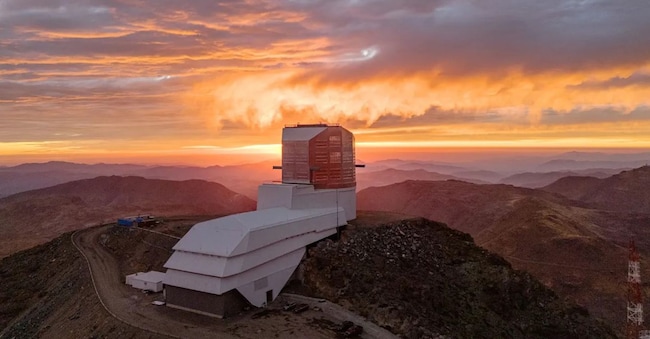
The observatory is located in the north of Chile, on a mountain at the foot of the Andes, on the edge of the Atacama Desert. Costing 800 million dollars, it will require as much to operate for the next ten years. The high, over 2500 metres, and dry location offers clear skies for observing the cosmos

5' min read
5' min read
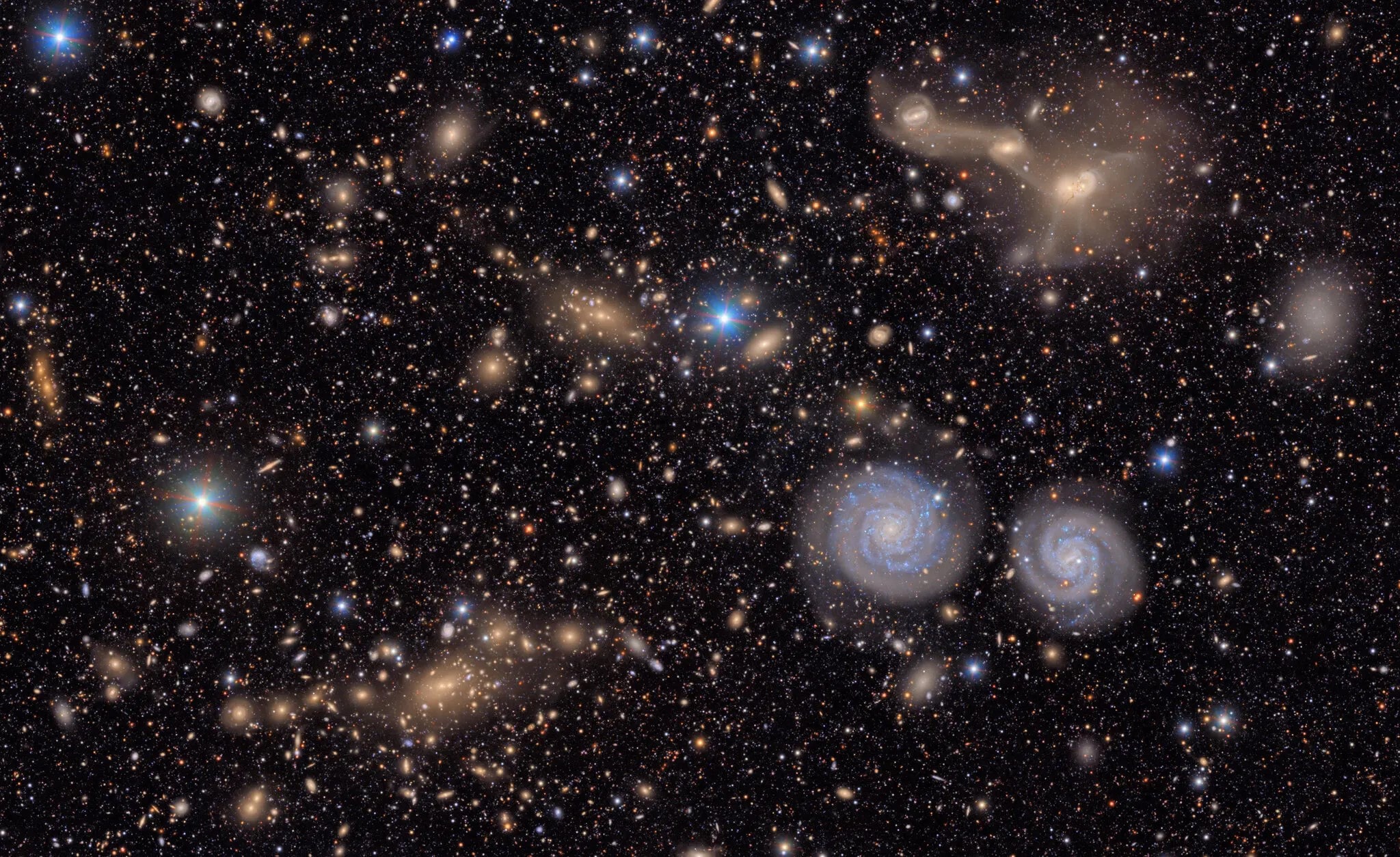
The long-awaited first images of the Universe taken by the new hyper-technological American telescope dedicated to Vera Rubin, the great astrophysicist who revolutionised, in the last quarter of the last century, our view of the matter we see, and also do not see, in the cosmos, have finally been unveiled in a worldwide conference.
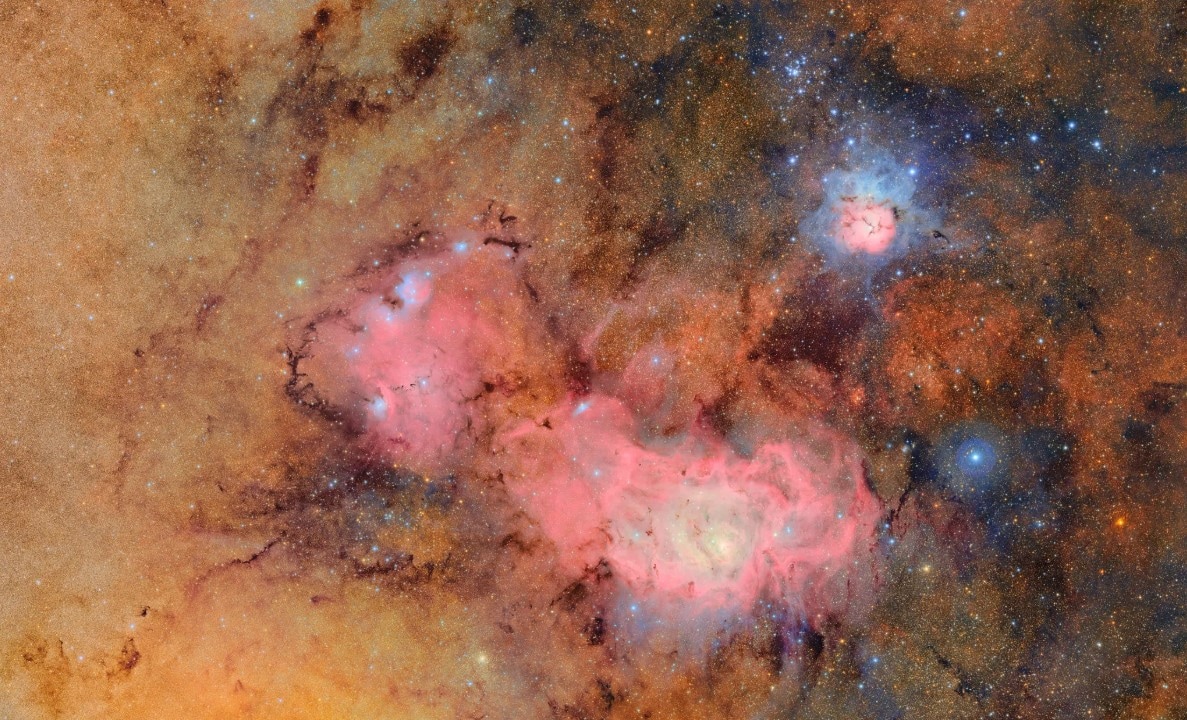
Images that astonished even the most experienced professionals, incredibly detailed and of enormous proportions, placed one after the other in a kind of cosmic film that had never been seen before, so much so that the President of the National Institute of Astrophysics, Roberto Ragazzoni, indulged in a remark that until recently could not even be imagined.
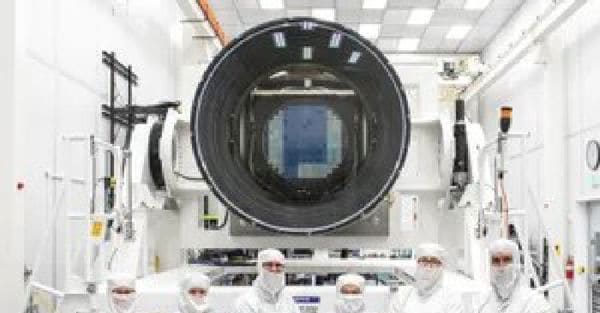
"The Vera C. Rubin will allow us to add depth and dynamism to our observation of the Universe. With this 8-metre-class telescope, capable of continuously mapping the sky of the Southern Hemisphere every three days, we will enter the era of 'astro-cinematography' and will also be able to explore a new dimension: that of time, with which we expect to study the ever-changing cosmos."
Fully justified, as the Vera Rubin Telescope is very fast in taking the sky in seconds and also in moving around, much faster than the large telescopes we have now, which are dedicated to observing very small areas of the sky with great precision.
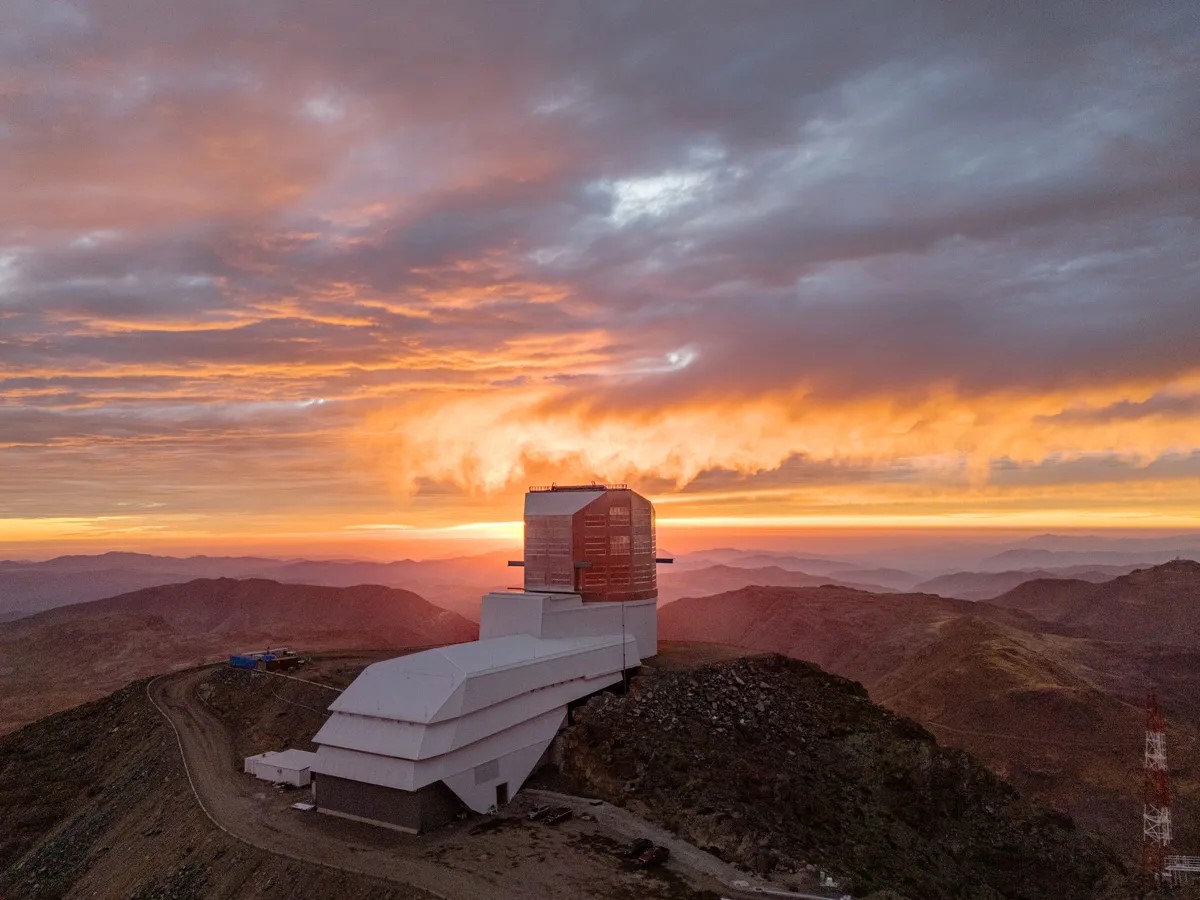
The observatory is located in the north of Chile, on a mountain at the foot of the Andes, on the edge of the Atacama Desert. Costing 800 million dollars, it will require as much to operate for the next ten years. The high, over 2,500 metres, and dry location offers clear skies for observing the cosmos.