
Christmas stocking a little richer at 2.4 billion
The effect of early sales weighed, while the recycling of 'unwanted' gifts reached 3.7 billion

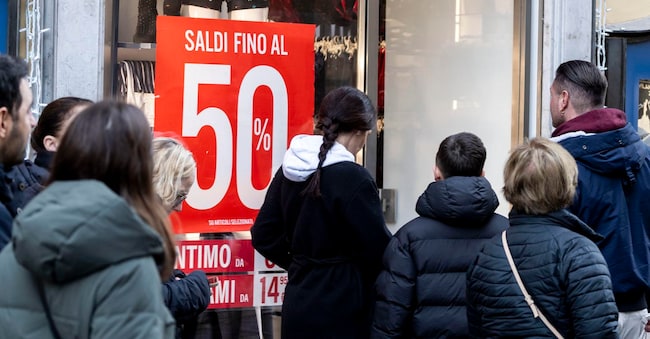
Spending on Epiphany is slightly up, reaching 2.4 billion euro, 100 million more than the previous year. On the last day that closes the Christmas holidays, two thirds of Italians favour gifts for the little ones, but with some distinctions: toys dominate in the South. Tech and interactive choices are growing (62% of preferences): educational robots, tablets for children and gaming. A segment where families invest in the play and educational component. In the Centre, traditional sweets stockings hold their own (42%), but experiences such as creative workshops for children and visits to museums are growing (+15% compared to 2025). In Northern Italy, clothing wins 48% of preferences. This is revealed by the forecasts of the Confcooperative Studies Office, which points out that just over two-thirds of Italians say they want to contain their spending after having spent too much during the Christmas holidays, while 22% have instead increased the budget for Epiphany, favouring quality gifts. The remaining 10% maintain their spending habits unchanged. A snapshot of a country that reacts in different ways: on the one hand those who tighten their belts, on the other those who invest in moments considered significant. With an expected expenditure of around 5 billion, sales represent an opportunity for many families to make up for postponed purchases. Added to this saving are those of Black Friday and the other determined by the phenomenon of 're-gifting', the recycling of Christmas presents, which is worth 3.7 billion this year.
In these hours there are also those who take the opportunity for a short break: an occasion chosen by about 8 million Italians who will remain in the Belpaese, among markets, historic villages, mountains and spas. Epiphany 2026 gives us back an Italy with variable geometries in the analysis by Confcooperative, which underlines the shadows that accompany this picture: the holidays continue to be a time of great stress for the approximately 10 million Italians living in absolute or relative poverty. At the same time, the middle class is expressing growing concern about the stability of its purchasing power, squeezed between still high consumer prices and incomes that are struggling to keep up.

