
Cars, EU proposes minimum electric car prices to China to cancel tariffs
The European Commission set the conditions under which China-based electric vehicle manufacturers may replace EU tariffs with a commitment to sell at minimum prices, and said it would take into account Chinese investment in electric vehicles in the EU.

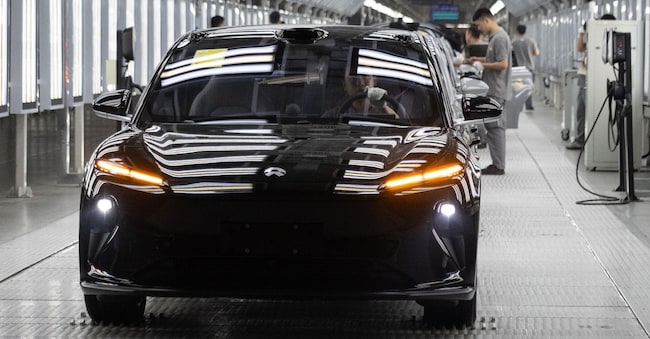
On Monday, 12 January 2026, the European Commission set out the conditions under which China-based electric vehicle manufacturers may replace EU tariffs with a commitment to sell at minimum prices and said it will take into account Chinese investment in electric vehicles in the Union.
''Chinese exporters that might consider submitting price undertaking offers" for electric vehicles "currently subject to countervailing tariffs," explainedEU trade spokesman Olof Gill. The document "is intended to provide guidance to Chinese exporters who might consider submitting price undertaking offers" for electric vehicles "currently subject to countervailing tariffs", he added.
The Chinese Ministry of Commerce welcomed the development: "The progress fully reflects the spirit of dialogue and the results of the consultations between China and the EU". "This contributes not only to ensuring the healthy development of economic and trade relations between China and the EU, but also to safeguarding rules-based international trade."
The Chinese Chamber of Commerce to the EU said in a note that it 'warmly commends the positive outcome achieved through dialogue and consultations'. The move 'enabled a soft landing in the case of electric vehicles', it added.
Why there are tariffs on Chinese electric cars
The expansion of Chinese electric vehicle manufacturers abroad has alarmed car manufacturers in Europe and the US. The EU imposed tariffs to counter the influx of affordable Chinese electric vehicle models into its markets, claiming that Chinese automakers had benefited from unfair government subsidies. The US introduced 100% tariffs on electric cars produced in China in 2024.

