
Beijing responds to EU duties: brandy and big cars in the crosshairs
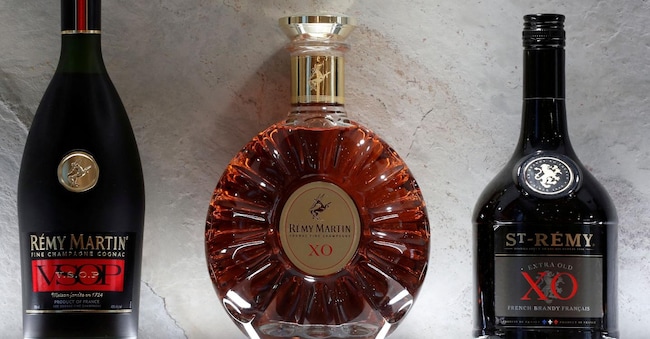
As of next Friday, 11 October, Beijing will ask importers of European brandy to pay a 38-39% deposit at Chinese customs

2' min read
2' min read
Beijing is responding to the EU duties on electric cars made in China: the greatest danger is that of tariffs on large cars, which for the time being remain only a threat; instead, the levies on brandy will be triggered immediately. A symbolic move, the latter, which mainly affects France, in the eyes of Beijing, the real director of the squeeze launched by Brussels.
The Beijing move
.Yesterday, the Chinese Ministry of Commerce announced that importers of EU brandy and cognac will have to pay a deposit of up to 39% of the price, starting from 11 October. And it added that the government is considering the option of raising duties on cars. Last week the European Union, in a vote that split the Twenty-Seven and which saw Germany's clear opposition, decided to impose tariffs of up to 45% (from the 10% previously applied) on imports of Chinese electric vehicles (putting itself in the wake of the US, which announced 100% tariffs). Talks between the parties are continuing.
For months now, Chinese state media and industry associations have been leaking that Beijing would respond by hitting European large-capacity petrol and diesel cars: rumours and statements have accompanied all stages of the decision-making process in Brussels. Yesterday came the first official confirmation from the government.
Germany in the Crosshairs
Germany and Slovakia are the economies most exposed to possible retaliation and in fact voted against the tariffs at the EU Council on 4 October. Volkswagen CEO Oliver Blume stated that any Chinese tariffs would be particularly risky for the German automotive industry and that the company would face significant disadvantages in the Chinese market. Where the space for combustion vehicles is already shrinking, so much so that Volkswagen itself recently announced the closure of a plant in Nanjing.
EU car exports to China amounted to EUR 19.4 billion last year, while the bloc imported EUR 9.7 billion of electric cars made in China, according to Eurostat. The main target of retaliation would be Germany. China accounts for about 30 per cent of the sales of German manufacturers, which are by far the largest exporters of large vehicles in the country.


