New studio opening

Benini and Casati: a new chapter in architecture and memory

A focus on high-impact projects aimed at improving quality of life. ‘People at the heart of everything’ is the mantra of the star architect who designed the Torno headquarters and redesigned the Italian Stock Exchange

4' min read

Translated by AI
Versione italiana

4' min read

Translated by AI
Versione italiana

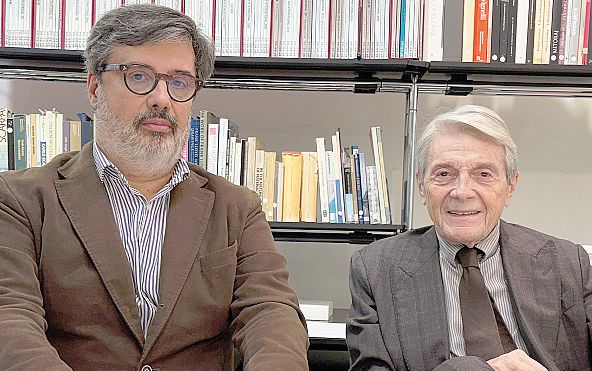
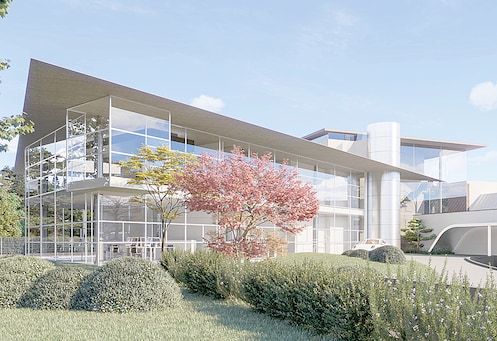
On Milan’s Navigli, a disused industrial building – where Sagsa’s steel furniture was once manufactured – is being given a new lease of life and is set to become the new architecture studio – or ‘atelier’, as they are keen to emphasise – of Dante O. Benini, a multi-award-winning star architect, and Matteo Casati, partners in this new venture.
Much has been said and written about Dante Benini: a pupil of Carlo Scarpa and a young architect who worked alongside Oscar Niemeyer in Brazil, he has designed a number of well-known buildings, such as the Torno headquarters in Via Valtellina, Milan, and the refurbishment of the Stock Exchange in Piazza Affari, also in Milan. Matteo Casati has been immersed in architecture and design from birth thanks to his father, Cesare Casati, a pupil of Gio’ Ponti. In the studio, one walks amongst lamps from the 1960s and 1970s, historic design pieces and a library created by combining three collections.

Loading...

Now aged 79, Benini wants to make a fresh start and turn a new page in his career. Here, 24 young professionals are working on new projects. “The decision stemmed from the confidence and realisation that bringing together different experiences can create new opportunities,” Dante Benini tells *Il Sole 24 Ore*. ‘Some people kick the ball, chase after it and then sit on it. I’ve decided to keep chasing it.’ ‘I asked Matteo because this really is the next chapter. He has a skill that complements mine: he works extensively in retail, a sector in which he has gained a wealth of experience.’ Casati’s career began in the 1980s, when he joined the family practice and was also involved in major international exhibitions. He subsequently chose to specialise in retail, designing five shopping centres for Auchan and around 250 McDonald’s restaurants, including both new openings and refurbishments. This was followed by collaborations with MyChef, Aldi and other major groups. “I’ve continued to offer niche industrial products, without losing sight of the inspiration for design, which stems from my family’s DNA,” he explains.
The new premises represent much more than just a workspace. The move has provided an opportunity to recover and bring together a wealth of documents, drawings, photographs and publications accumulated over decades of activity.

Drawings by Carlo Scarpa, materials by Oscar Niemeyer, dedications and reviews by Bruno Zevi have come to light, alongside an extraordinary collection of books and magazines. The merger of the libraries of Benini, Casati and Casati’s father, linked to their publishing activities – Cesare Casati had edited *Domus* from 1972 until the late 1970s and subsequently founded *Arca Edizioni* – has resulted in a collection of around 14,000 volumes, with a significant number of international magazines and publications.
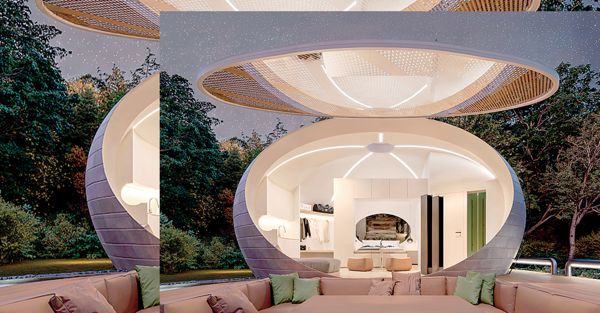
The studio is based on a clear concept: to focus exclusively on architecture and design, bringing in the best specialists – including graphic designers, engineers and so on – on a project-by-project basis.

Among the most significant projects currently underway is the new CRS industrial and commercial complex in Bergamo, where they are working with Tadao Ando on a development covering approximately 60,000 square metres. The practice is also involved in the complete refurbishment of the Italian headquarters of CGT, Compagnia Generale Trattori, which has been the official Caterpillar dealer in Italia since 1934. “I designed their original building in 1990. Back then, they had 150 staff and a turnover of 120 million. Today they have 4,500 staff and a turnover of two billion.” Other projects include a conference centre in Milan and participation in a competition for an extension project in the Villa Borghese area of Rome.

But one of the projects closest to Benini’s heart is the new headquarters of the Rossini Group in Rescaldina (Milan), a company operating in the printing rollers sector. A client who chose to invest in architecture capable of telling their own story. ‘He told me: “I don’t need it; what I have is fine. But I can’t leave without making my mark, without leaving something that tells the story of what I’ve built.”’

Reflection on the future of architecture and design is one of the areas where the two professionals’ views converge. According to Benini, the average quality of architecture has improved, partly thanks to technology and the wider dissemination of design culture. However, the capacity to experiment and produce truly original visions has gradually diminished.

‘What we need today is to create new horizons, because there aren’t enough of them. We’re all falling back on increasingly common terms, but by now they’re always the same. We absolutely must raise the bar.’

Loading...

Benini sums up this difference using a musical metaphor: ‘It’s like in music: why is there one Pavarotti and not 365 Pavarottis? The average standard has improved, but when a high note stands out, it leaves a lasting impression on you; it changes your life.’

Partnership.

In design, too, according to both, there is a noticeable reduction in risk-taking. Whilst in the 1960s and 1970s entrepreneurs invested in new materials, technologies and experimentation, today design often centres on products that are already familiar and can be readily positioned on the market.

“We always draw on the knowledge we already have. Nobody really wants to invest in design any more,” observes Casati. The challenge, therefore, is to rediscover the ability to design objects and architecture that are not merely functional, but which can stir the emotions and leave a lasting impression.

This, ultimately, is the essence of Benini and Casati’s new venture: to bring together memory and experience, different perspectives and complementary skills, without compromising on research.

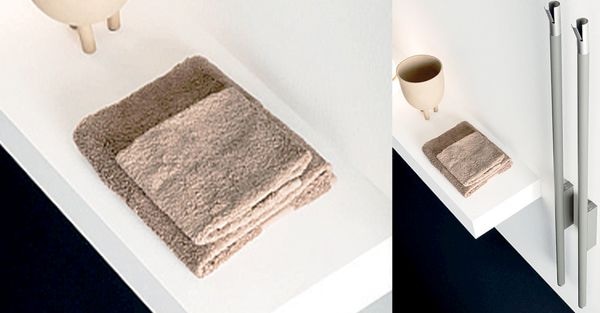
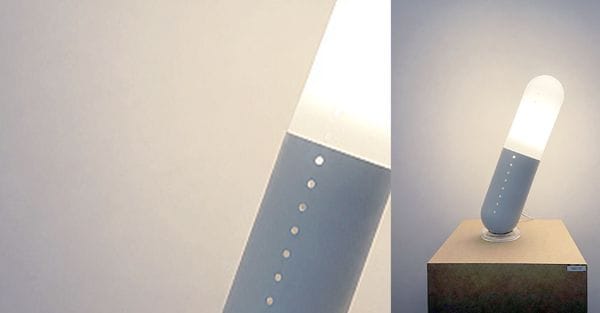
“In the ‘Carlo’ design, ‘the heating accessory produced by Antrax – which pays tribute to Scarpa himself – is in the running for the Compasso d’Oro’,” concludes Benini

Copyright reserved ©
  • Paola DezzaCaporedattrice del Lunedì e responsabile del settore real estate per tutto il gruppo

    Lingue parlate: inglese, francese

    Argomenti: mercato immobiliare, architettura, finanza immobiliare, lifestyle, turismo, hotel e ospitalità

    Premi: “Key player of the italian real estate market” di Scenari Immobiliari

Loading...

Brand connect

Loading...

Newsletter RealEstate+

La newsletter premium dedicata al mondo del mercato immobiliare con inchieste esclusive, notizie, analisi ed approfondimenti

Abbonati