
Berlin raises the minimum wage: EUR 14.60 from 2027
Increase in two steps from the current EUR 12.82: from 1 January 2026 to EUR 13.90 per hour. Approximately 6.6 million workers are affected. For companies, labour costs will rise by EUR 2.2 billion next year and approximately EUR 3.4 billion in 2027
by G.D.D.
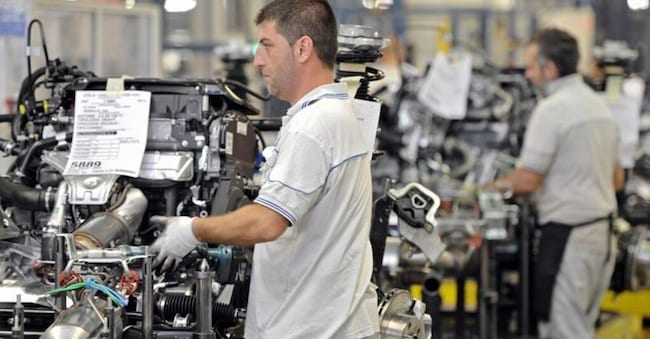
Germany raises the minimum wage: from 1 January 2026 it will rise to EUR 13.9 per hour and in 2027 to EUR 14.6. Currently, the minimum wage is EUR 12.82. The government gave the go-ahead for the long-awaited measure, which does not require approval by the Bundestag or Bundesrat, on Wednesday 29 October.
The basis for the increase is the recommendation of the Minimum Wage Commission, composed of business and labour representatives, which was formulated in June after a rather heated debate.
Businesses had criticised the pressure from politics, in particular from the Social Democrats (Spd), who wanted an increase to EUR 15 as early as next year.
According to data from the German Trade Union Confederation, some 6.6 million workers are expected to benefit from the increase.
According to government estimates, employers could incur additional wage costs of about EUR 2.2 billion next year and about EUR 3.4 billion in 2027. However, no significant impact on inflation is expected.


