'Bestiaries, herbaria, lapidaries', a fascinating encyclopaedic documentary
Out of competition the new film by Massimo D'Anolfi and Martina Parenti was presented, a great homage to worlds as close as they are distant
3' min read
3' min read
One of the most powerful documentaries of the year: this is how one can start describing 'Bestiaries, Herbariums, Lapidaries', a film included out of competition at the Venice Film Festival.
Directing are two masters of the genre such as Massimo D'Anolfi and Martina Parenti, authors who had already amazed with films such as 'Dark Matter' and 'War and Peace' and who had also been in competition in Venice with 'Spira mirabilis' in 2016.
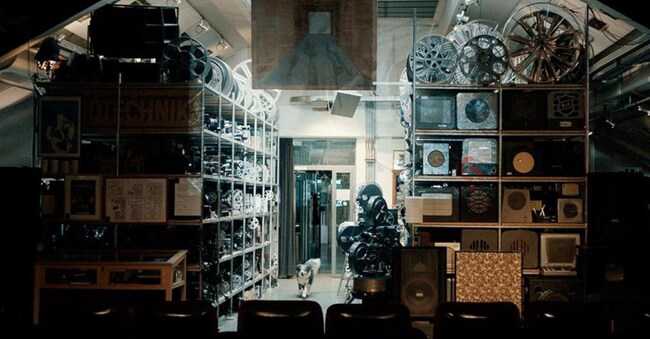
The curious title they chose is to summarise a true 'encyclopaedia' documentary, divided into three acts, each dealing with a single subject: animals, plants, stones.
This film is a homage to those 'unknown' and in some ways truly alien worlds, made up of animals, plants and minerals, that we often take for granted. The acts of the film draw a unique dramaturgical development through three different staging devices. "Bestiari" is a found-footage on how and why cinema has obsessively represented animals; "Erbari", on the other hand, a poetic documentary of observation from inside the Botanical Garden of Padua; "Lapidari", finally, an industrial and emotional film on the transformation of stone into collective memory.
"We believe that our task is to "re-invent" a vision and representation of reality and to try to establish vital relationships between the elements that make up the frames of the work. It is up to each viewer to enrich the film with his or her own baggage of experiences, interests, readings or film visions": the words of the two directors are indicative to understand their approach to cinema, a work of long research and reasoning capable of remaining imprinted long after the vision.