Amidst sand, concrete and wind: Costantino Nivola’s aesthetic of civic engagement
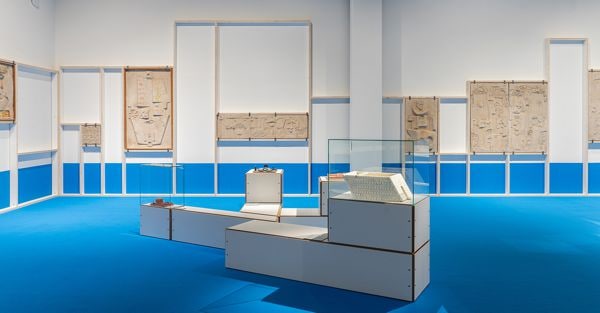
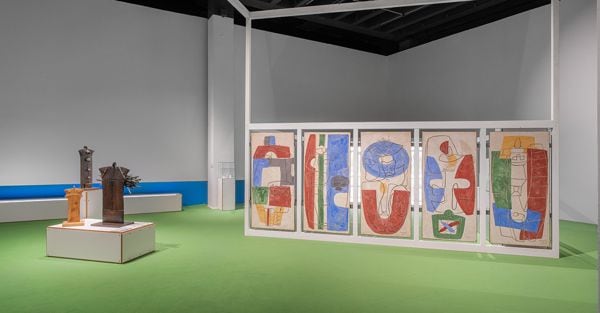
The solo exhibition dedicated to the great Sardinian artist – “Costantino Nivola: Sculpting the Wind” – is on display at the Triennale di Milano until 14 February

With the modesty typical of Sardinians, he described himself as a ‘sculptor, bricklayer, labourer’, perhaps, by using the first term, conceding to himself a role that he would never have imagined to be so great: for Costantino Nivola was, and remains, an outstanding sculptor, as well as a graphic artist, painter, designer and architect.
And finally, the Milan Triennale, with the retrospective dedicated to him entitled “Costantino Nivola, Sculpting the Wind”, pays a well-deserved tribute to this leading figure of the twentieth century, beloved by Le Corbusier, acclaimed in America and, in his homeland – with the exception of his native island – neglected for far too long.
Orani, Monza, Paris, New York
The son of a stonemason, having left behind the narrow, archaic horizons of his native Orani, he went on to study at the ISIA in Monza and then joined the great Olivetti factory, only to be permanently uprooted by the Fascist racial laws; he, having married the Jewish woman Ruth Guggenheim, travelled across the Atlantic after a spell in France to become a prominent figure in as a perpetual émigré.
A versatile and eclectic artist
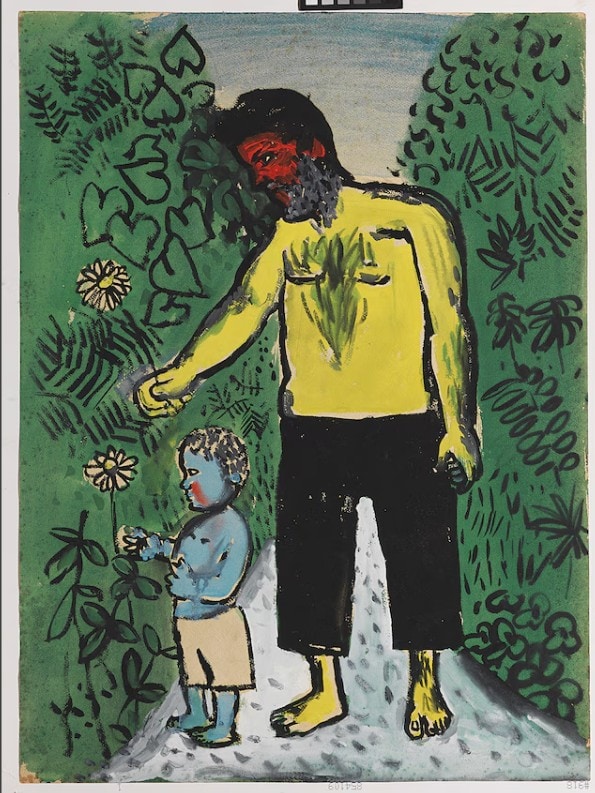
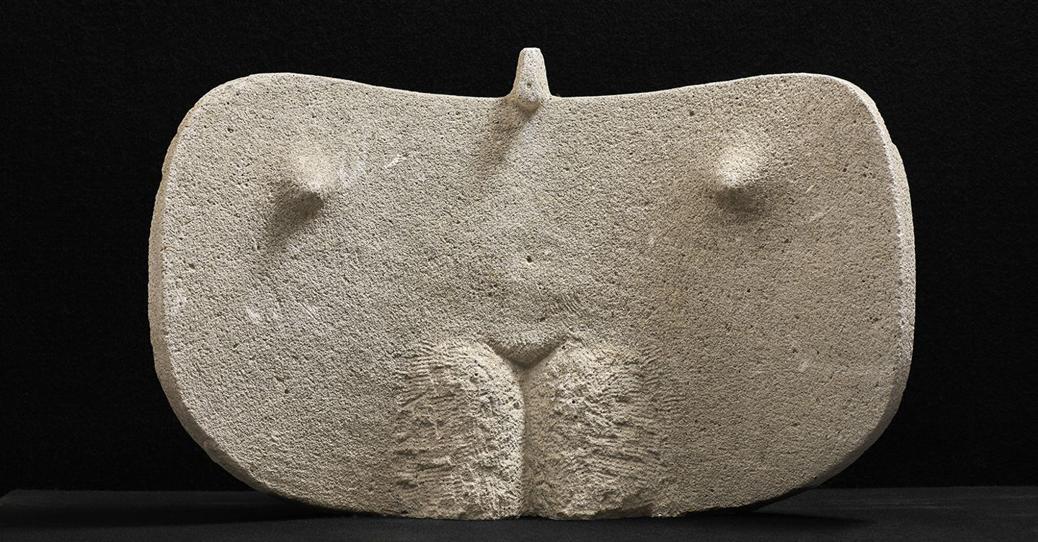
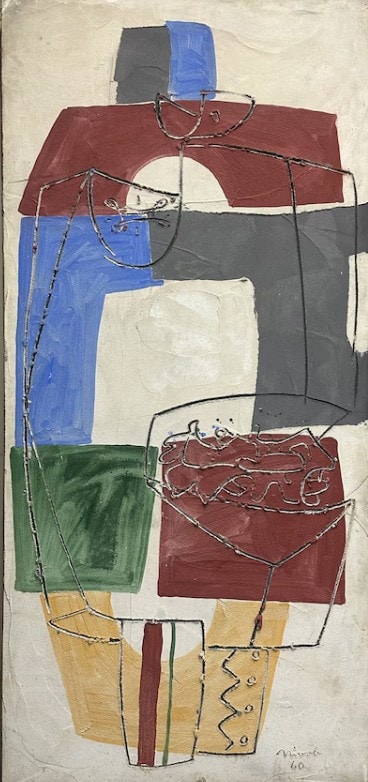
A multifaceted and eclectic artist, he has secured his place in history through his indomitable talent, blending archaic influences with the swift and shifting lines of his teeming New York cityscapes, moving through poignant Cubist deconstructions of domestic settings to reach the majestic, contemplative concavities of his mother goddesses and the powerful, static forms with their broken lines, and so solemn, of his masculine sculptures depicting shadowy shepherd fathers and gaunt bricklayers, to finally arrive at the supreme insights and interpretations of sandcasting and on up to his architecture of civic commitment.
Anti-monumental and anti-rhetorical poetics
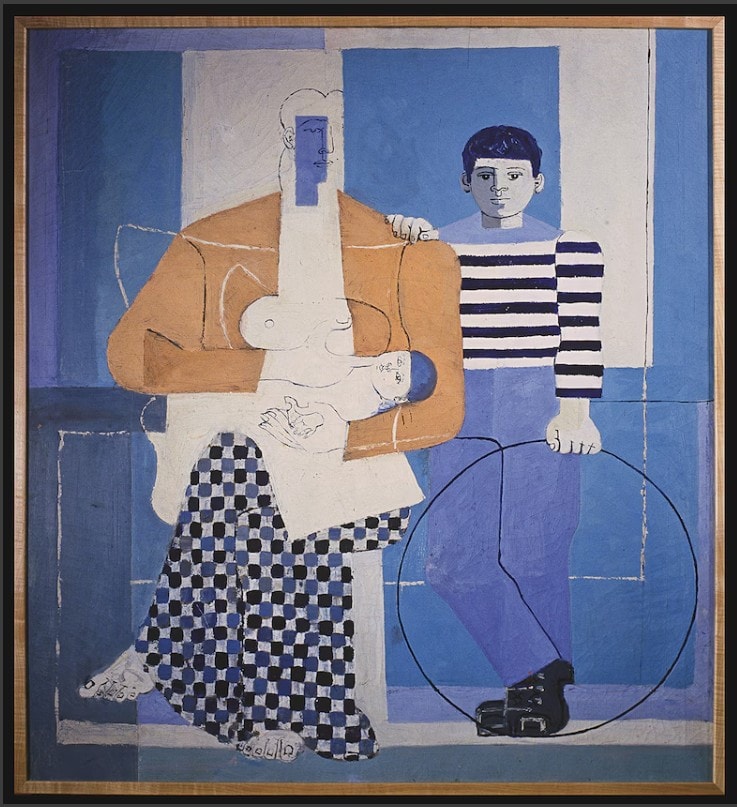
All this is in keeping with an anti-monumental, consistently anti-rhetorical aesthetic, and a civic commitment that is never dormant or concealed, as clearly demonstrated by the series Chicago Riots and the drawings dedicated to the fascist execution of the anarchist Michele Schirru. Not to mention the projects, never realised, for Antonio Gramsci in Ales and for the glorious Sassari Brigade in the town in northern Sardinia.