
Beyond fashion: how Coco Chanel pioneered the modern beauty industry

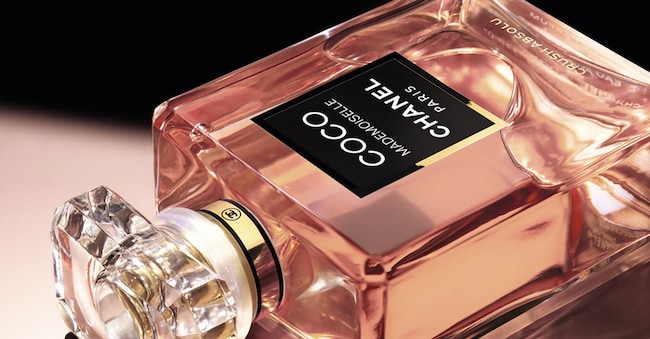
Chanel’s economic empire was founded in 1921 with the launch of Chanel N°5, a financial and marketing venture that transformed the beauty sector from a small-scale craft market into a global billion-dollar industry.
Gabrielle “Coco” Chanel did not simply create cosmetic products; she redefined the assets, supply chains and business models of the beauty industry.
On the anniversary of Coco’s birth – she would have turned 143 today – the business world is celebrating not only the fashion revolutionary, but also the pioneering strategist who shaped the global luxury beauty industry, transforming a perishable commodity such as perfume into a permanent financial and branding asset.
Before the 1920s, fashion houses regarded cosmetics as a marginal aspect of their business. Chanel turned this strategic view on its head, realising that the brand’s positioning could extend far beyond the textile sector. In 1921, with the launch of Chanel N°5, the designer laid the foundations for the contemporary luxury business model: using the fragrances & beauty division as the brand’s main source of revenue, high profit margins and mass-market accessibility.
The first industrial disruption: Minimalist packaging
Whilst her competitors at the time were packaging their perfumes in baroque-style bottles – which were complex and expensive to mass-produce – Mademoiselle opted for a visual and logistical disruption. The N°5 bottle – geometric, transparent and minimalist – optimised industrial production costs whilst perfectly embodying the concept of modern luxury. This design choice not only reduced packaging costs but also created a visual identity that was instantly recognisable on shop shelves worldwide.


