Cinema

Apart from the Lions, what will remain of this Venice Film Festival?

The “world of information” and “looking to the past to discuss the present”: a review of a truly excellent edition

4' min read

Translated by AI
Versione italiana

4' min read

Translated by AI
Versione italiana


Once a major festival has come to an end, the attention of the public and industry professionals naturally turns to the list of winners, with discussions arising as to whether the awards were well-deserved or not.

Loading...

From the absence of Italian films to the Golden Lion win for *Woman Unknown*, there is certainly no shortage of grounds for controversy, but the value of a festival cannot and must not be reduced merely to commenting on the jury’s decisions: beyond the Lions, in fact, there is much to analyse, especially after such an important edition, rich in high-calibre films, as this 83rd Venice Film Festival has been.
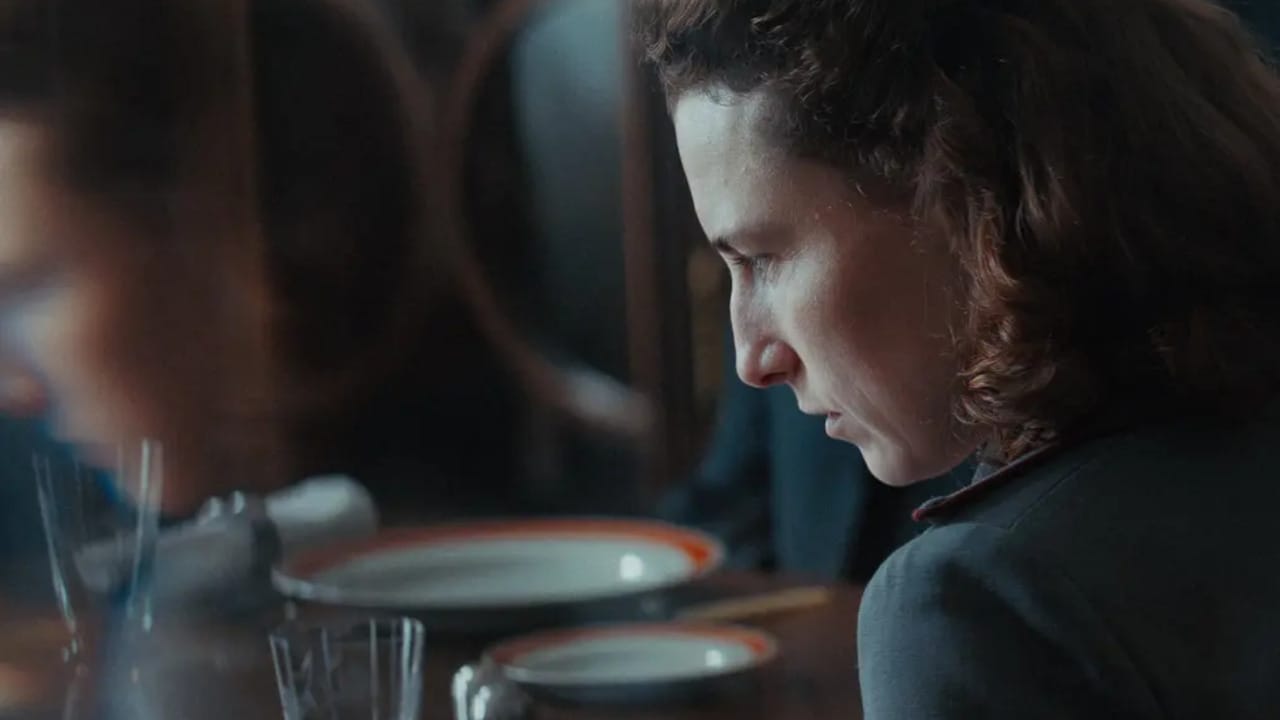
Woman Unknown

Journalism and the world of news

Let’s start with a topic that has taken centre stage in this year’s edition. Whether it is due to the constant fear of encountering fake news, or to the growing influence of artificial intelligence even in the world of news, the world of journalism has certainly been at the heart of an edition that has taken an in-depth look at how facts should be reported in today’s world and in the past.
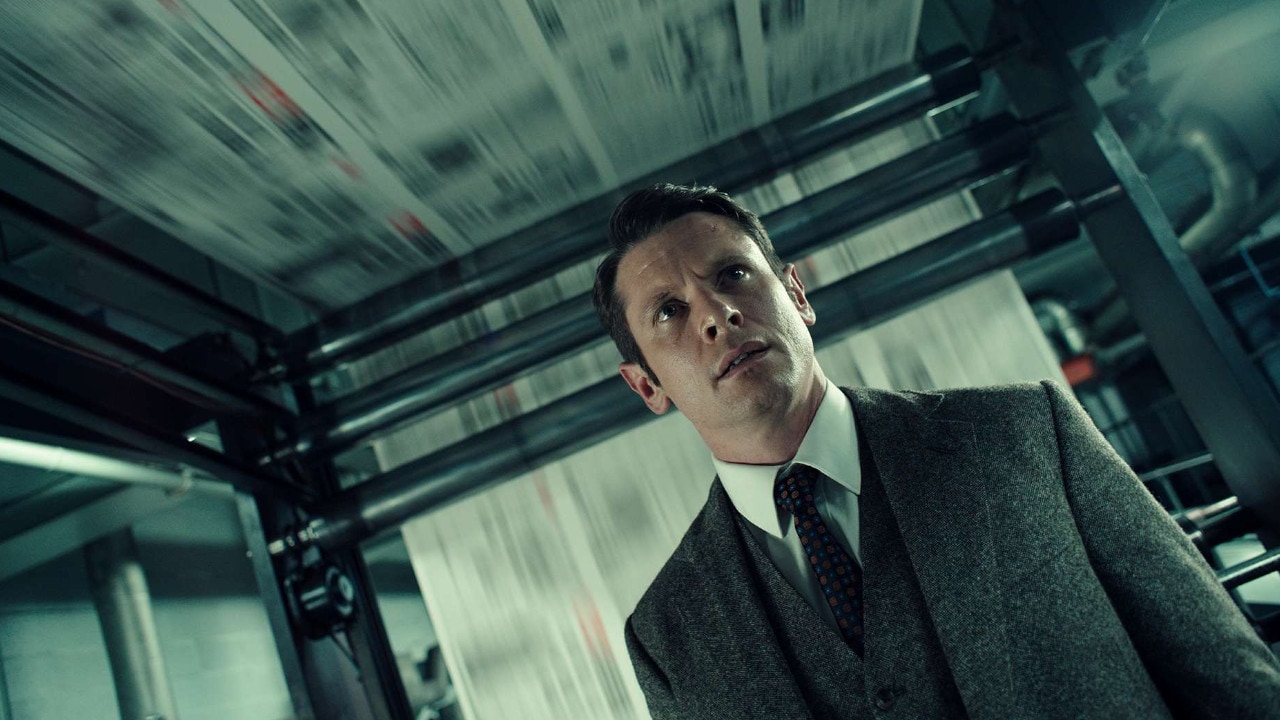
Ink

This theme is already present in the competition’s opening film: *Ink* (a fine feature film by Danny Boyle, which successfully blends form and content) tells the story of the rebirth of the daily newspaper *The Sun*, following its takeover by Rupert Murdoch and the appointment of Larry Lamb as editor, illustrating how that pursuit of sensational news and content that we would today describe as ‘clickbait’ was, in a sense, a foreshadowing of today’s media landscape.
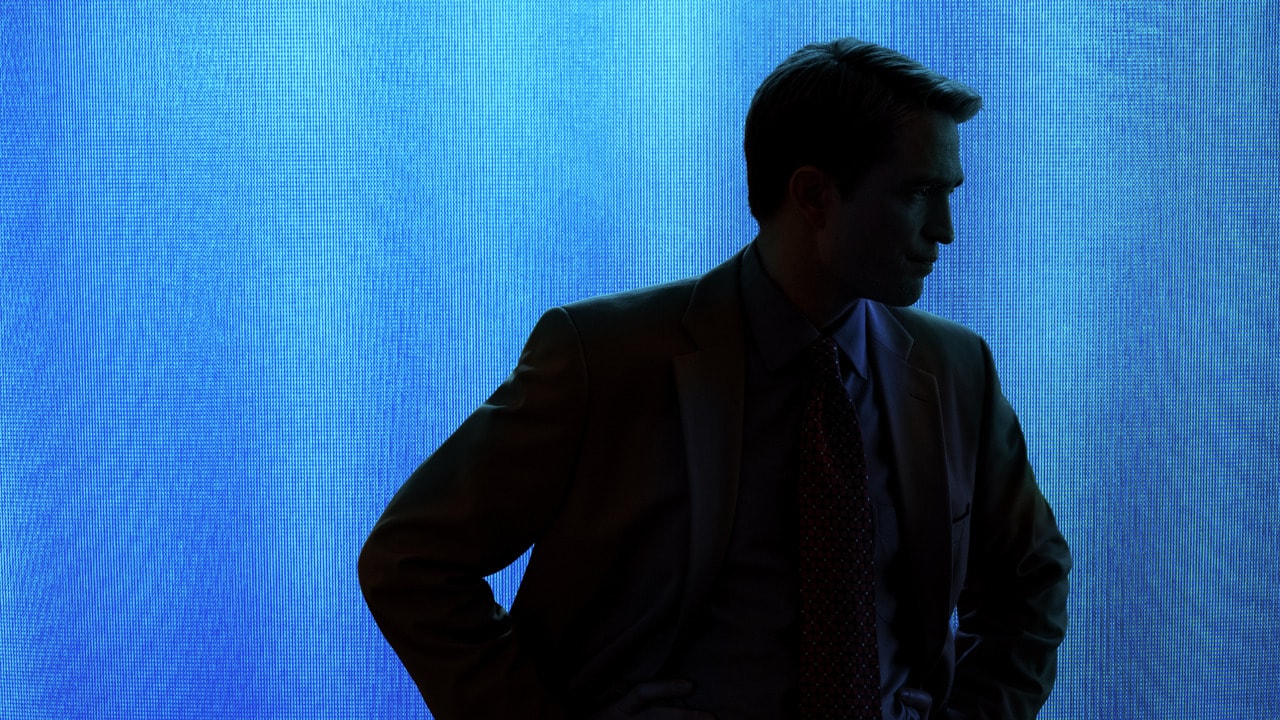
The ambiguity of the contemporary information landscape was also at the heart of *Primetime*, a film that tells the story of the controversial investigative programme *To Catch a Predator*, with Robert Pattinson playing the role of presenter and journalist Chris Hansen.

Primetime

Whilst “Primetime” is only partially successful, the work carried out by Yuval Abraham and Rachel Szor, the directors of “NAZA”, is, on the other hand, excellent: an interview-based documentary that reveals the methods behind the killings carried out by members of the Israeli army in Gaza and the extensive use of artificial intelligence for this purpose: a genuine piece of investigative journalism, and a thoroughly valuable one at that.

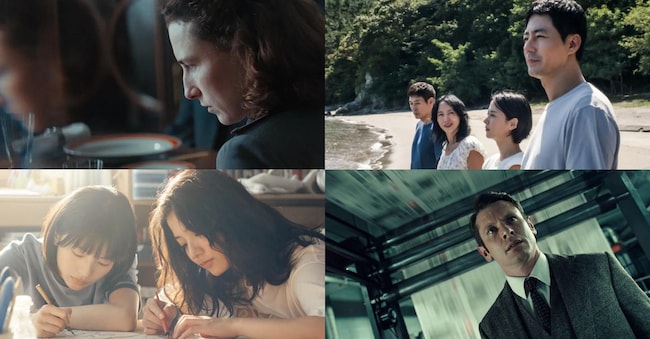
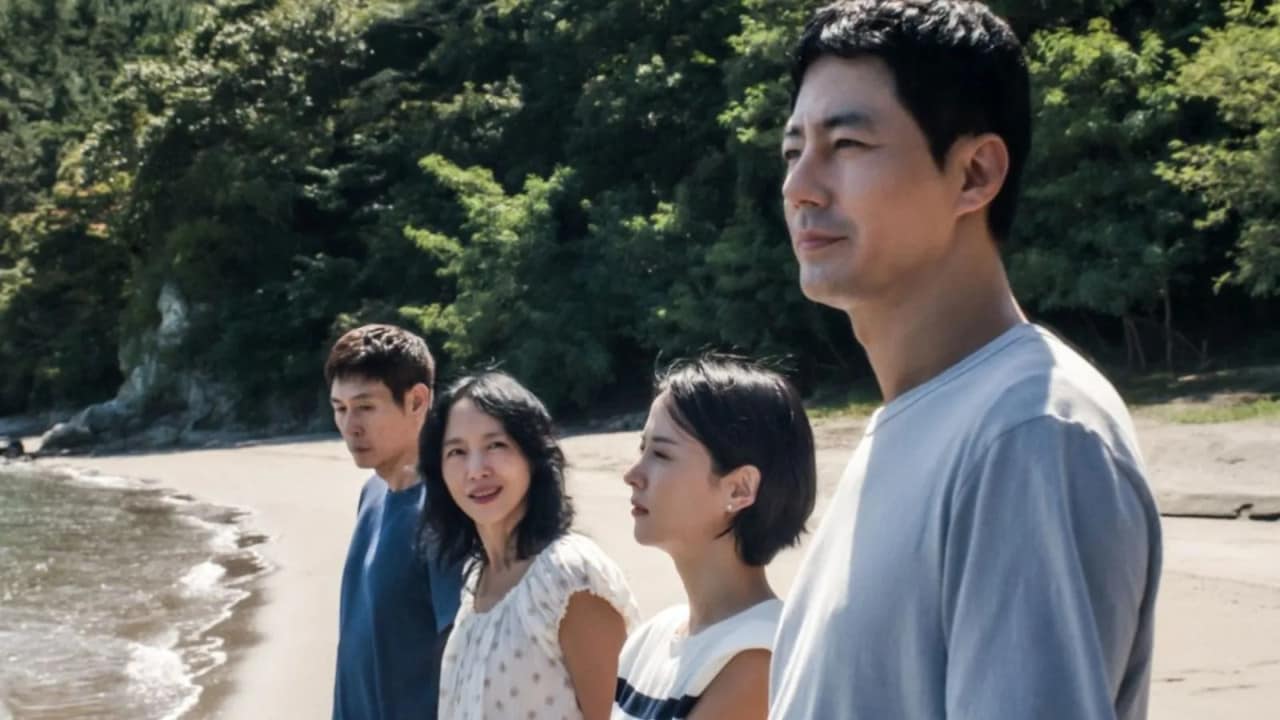
In this context, we might also symbolically include another, wonderful film from the competition, such as *Possible Love* (Grand Jury Prize, and it would have deserved the Golden Lion more than “Woman Unknown”) which, albeit within a fictional framework, questions and challenges the role of a documentary-maker seeking to document the strikes caused by severe staff cuts at a company.

But that’s not all, because outside the main competition, this theme is also well represented by Alina Marazzi’s biographical film *The Girl with the Leica* – the opening film of the Orizzonti section, centred on the war photojournalist Gerda Taro – and, of course, Alex Gibney’s *Musk*, a sweeping documentary that offers a critical reflection not only on the South African entrepreneur himself, but also on the world of journalism and the use of artificial intelligence.

Possible Love

The past as a way of talking about the present

There have also been a number of films that have brilliantly chosen to explore the present through settings from the past, often using powerful metaphors.

Loading...

The same is true of the aforementioned and much-talked-about *Woman Unknown* by Mayy al-Tukhi (the only woman in the competition, alongside the co-director of *NAZA*), set after the Second World War, which portrays the female body as a battlefield, offering plenty of food for thought that is relevant to today’s world as well.

Wild Horse Nine

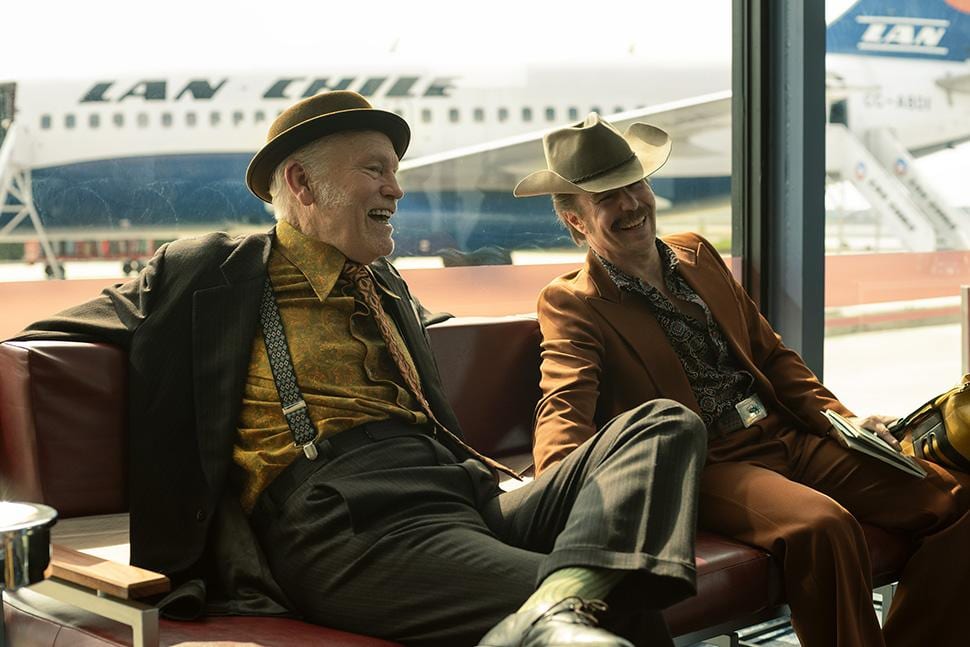
This group also includes *Wild Horse Nine*, another production from this excellent Venetian festival, in which Martin McDonagh sets the story on Easter Island during the summer preceding the coup in Chile, offering a reflection that touches on the United States of both yesterday and today.

It is pleasing that the jury awarded the prize for Best Director to *DAU*, a film by the Russian dissident Ilya Khrzhanovsky, who has recreated that sense of totalitarianism in the Soviet Union from the 1920s to the 1960s with a perspective that looks directly at the present day (it is worth noting that the USSR is also at the heart of Sergei Loznitsa’s magnificent documentary).

DAU

From Japan to Argentina

Among the most prominent nations at this year’s Venice Film Festival was France, with no fewer than four directors in the competition and two films that were deservedly honoured: the beautiful *Un bon petit soldat* by the great Stéphane Brizé (Best Screenplay) and the accomplished *15/18 (A Place to Heal)* by Cédric Kahn (Best New Actress for Malou Khebizi).

Un bon petit soldat

The Japanese delegation, on the other hand, was less fortunate, failing to secure any awards, but we are certain that Hirokazu Kore-eda’s remarkable “Look Back” will soon be back in the spotlight; not only did it deserve an award, but it was also one of the most moving films of the entire season. The competition programme also featured the intense, albeit imperfect, “Mr Nelson, Did You Kill People?”, and, out of competition, the fascinating “Shumei: The Living Legacy of Kabuki”, the documentary debut of Takashi Miike, director of many unforgettable films such as “Visitor Q” and “Ichi the Killer”.

Look Back

Finally, a well-deserved mention for Argentine cinema, which took top honours at the Giornate degli Autori with María Aparicio’s *A veces me entra tristeza, otras veces rebelión*.

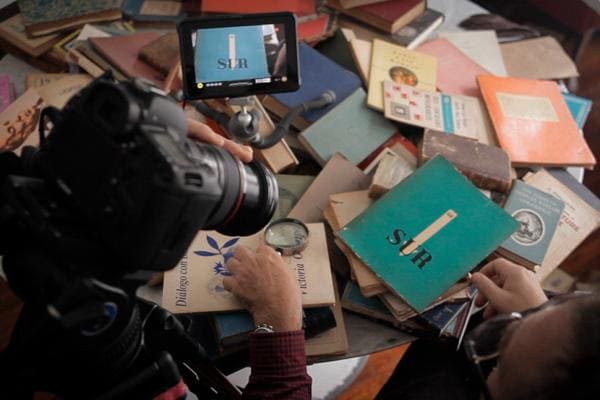
The Argentine delegation in Venice also made a positive impression with *El fantasma* by Ignacio Masllorens and David Lamelas and, above all, with the monumental *Biografía de Jorge Luis Borges* by Mariano Llinás, which was screened out of competition.

Biografía de Jorge Luis Borges

For the more discerning cinema-goers seeking truly innovative works, this film is undoubtedly the one that will stand out from this Venice Film Festival: a torrential, ironic masterpiece that plays with storytelling in an extraordinary way. A film that instils confidence and hope for the future of cinema and demonstrates how the language of the Seventh Art is still constantly and continuously evolving.

Copyright reserved ©
Loading...

Brand connect

Loading...

Newsletter

Notizie e approfondimenti sugli avvenimenti politici, economici e finanziari.

Iscriviti