
Biden or Trump? The world has lost faith in America
The first has to take a step back but does not want to. The other is a serial liar but this time he has a team that will realise his instincts

3' min read
3' min read
When Americans choose a president, they determine such an important part of our lives that we allies should also be allowed some form of vote. For example, Europeans, Japanese, Koreans and Australians in a single electoral college with at least one large voter: less than Vermont, which has 600,000 inhabitants and three electoral votes.
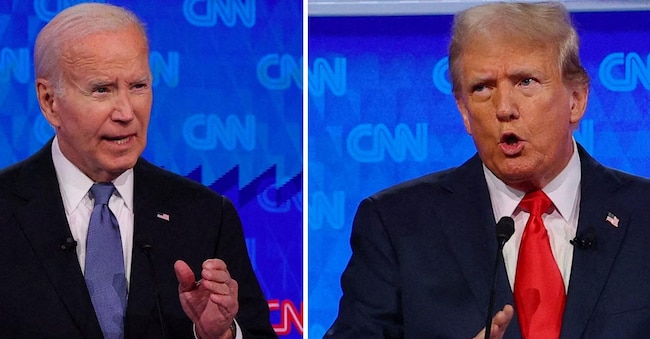
It is therefore understandable that for all those who still believe in the importance of the American role in the world, last week's debate between Joe Biden and Donald Trump caused concern. It became day after day a permanent anxiety, with the Democratic president's stubbornness to continue the fight. "Only the Lord Almighty" would convince him to drop out of the electoral race, Biden said last night in an interview with the ABC network. A stubbornness that a geriatrician could easily explain and moderate but which in the world of politics is tantamount to suicide.
However, it is not only Joe Biden's rapid ageing, which was evident long before the televised debate (on 6 June in Normandy at certain moments the president was mingling with veterans of the landings) that is frightening US allies. The real big concern was the two alternatives offered in front of the CNN cameras: a man incapable of running an election campaign; or an arrogant serial liar, convicted by the court but protected by the Supreme Court.
The former is too old and inadequate to cope with the pressures of another four years as president; the latter, almost the same age, is incapable of possessing the necessary balance that a superpower must have in the crises it faces. The one that began eight years ago was a chaotic presidency because Donald Trump did not expect to win. This time he will be surrounded by knowledgeable aides who will turn his instincts into policies.
This is the choice the United States offers at a time of great challenges to world stability. Two wars to be stopped, more devastating ones to be prevented; a trade system to be rewritten and nuclear proliferation no longer controlled by diplomacy; Russia and China, but also the new emerging players with their political, military and economic agendas that reveal ambitions suppressed by the Cold War.


