
Final approval by the Senate of the bill decree. From company cars to the household appliances bonus: here's what it contains
The measure, which provides, among other things, a bonus of EUR 200 for Isees up to EUR 25,000, had already been approved by the Chamber of Deputies on 16 April

3' min read
Key points
3' min read
The chamber of Palazzo Madama approved the bill to convert the bill decree with 99 yes, 62 no and one abstained. The measure, which among other things provides for a 200 euro bonus for Isee people up to 25,000 euro, had already been approved by the Chamber of Deputies on 16 April and thus becomes definitive. Approved by the Council of Ministers at the end of February with a 3 billion dowry of aid to protect families and businesses from high bills, the first reading in Parliament has considerably enriched its scope. The initial text consisted of 7 articles: following the changes made in the referendum, 13 additional articles were approved and several additional paragraphs were added to the articles of the initial text.
Contribution of 200 for households with Isee up to 25,000 euro
For 2025, an extraordinary subsidy of EUR 200 is recognised on electricity supplies for domestic customers with an Isee up to EUR 25,000 (a population of 8 million households). The overall impact of the measure is EUR 1.6 billion.
Home appliances bonus without click day
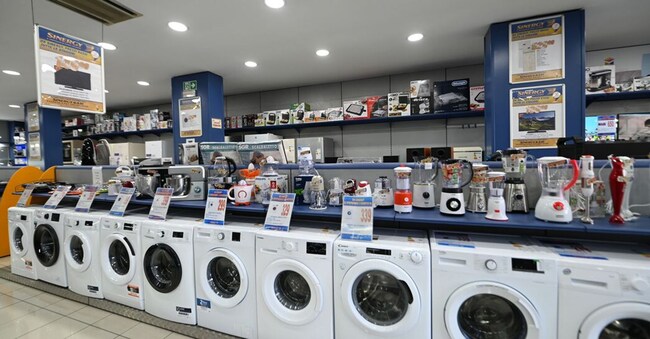
Changes to the household appliance bonus. An amendment by FdI has changed the way it is used. It will no longer be distributed with the 'click day' but with a discount on the invoice. In addition, the minimum energy class threshold (B), which risked penalising Italian-made production, has been exceeded.
Electricity, vulnerability service until 2027
Changes to the regulation of the supply of electricity to vulnerable customers: the entry into force of the vulnerability service is postponed until the end of the graduated protection market (STG) (i.e. not before 31 March 2027). In the meantime, the greater protection service remains in force for vulnerable customers who have not chosen a supplier in the TSG or the free market. Those who, currently in the TSG, would then qualify as vulnerable customers may opt to remain in the graduated protection service.
Further provisions were added in the referendum: in particular, it was provided that, under certain conditions, the real estate owned by vulnerable persons in the event of debt for non-payment of condominial energy bills could be seized, and it was provided that vulnerable customers who had not chosen a supplier by the date of conclusion of the graduated protection service would be supplied within the supply service guaranteed by the distribution company or, alternatively, within the vulnerability service, if already in operation.

