
Biomethane: 398 plants under construction, with a capacity of 1.3 billion cubic metres
A snapshot of the CIB: in Italia, driven by the NRRP, 60 supply contracts between agricultural producers and industrial consumers are also set to be signed in 2026

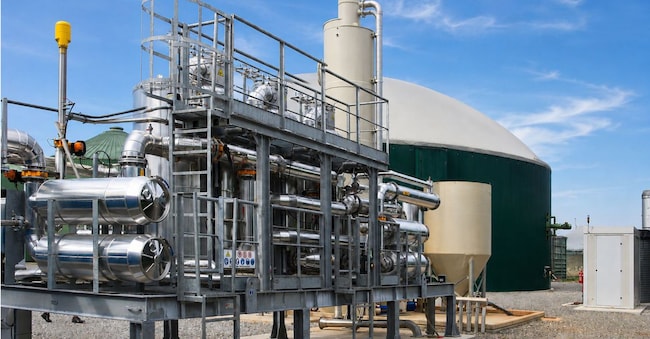
A total of 398 biomethane plants have benefited from the incentives provided for in the Ministerial Decree of 15 September 2022, with access to PNRR funds, representing a total capacity of 1.3 billion cubic metres per year: of these, 90 are already operational, capable of producing 275 million cubic metres. Investment began as early as Ministerial Decree of 2 March 2018, which channelled support for biomethane for transport, resulting in a national production figure that currently stands at 2.5 billion cubic metres on paper – comprising plants that are already operational and those nearing completion – whilst the 2030 target set out in the Pniec remains at 5.7 billion cubic metres.
In this context, a boost on the demand side has come from long-term supply contracts between agricultural producers (given that biomethane is produced mainly from waste from this sector) and industrial consumers: the biomethane purchase agreements, or BPAs. They took centre stage at a dedicated event, organised by the Italian Biogas Consortium (CIB), at the Assolombarda headquarters in Milan. It provided an opportunity to set out some figures, starting, as mentioned, with plants in the start-up phase, right through to contracts signed from spring 2026 onwards under the supervision and support of the CIB itself: there are 60 agreements, totalling 180 million cubic metres of biomethane per year. Of these, 46 per cent is destined for the steel sector (see also *Il Sole 24 Ore* of 11 September), 14 per cent goes to the paper industry, 11 per cent to ceramics, 11 per cent to cement and bricks, 10 per cent to the chemical industry, 7 per cent to the food industry, and 2 per cent to plastics. The volumes supplied cover part of the various sectors’ requirements (up to 20 per cent for some), and the aim of many of the representatives from ‘hard-to-abate’ industries attending the event is to increase this supply.
“Biomethane represents a strategic resource for decarbonisation, energy security and national energy self-sufficiency – issues that are even more crucial in the current climate of heightened international tensions,” said Environment Minister Gilberto Pichetto Fratin in a video message, confirming the ministry’s work on the new decree to support the sector, which will further promote BPAs and could be submitted to the EU as early as the end of the year. The minister also spoke of an ‘assessment’ of the option offered by the EU itself regarding the budgetary deviation.
According to Piero Gattoni, president of CIB, in order to consolidate a path that offers scope for growth (new sectors to be decarbonised, new geographical markets), ‘it is now essential to ensure continuity and stability in the regulatory framework, so as to facilitate new long-term agreements and support the development of the supply chain, thereby contributing to the country’s competitiveness and energy security’.


