
Biotech, agreement in Europe on yes to Assisted Evolution Techniques in agriculture
The Trilogue proposal (Commission, Council and European Parliament) divides the new techniques into two categories, depending on the number of genetic modifications made

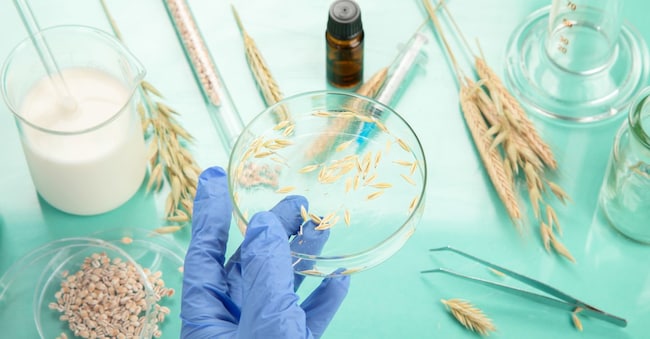
Commission, Council and European Parliament have reached a provisional agreement on the green light for new agricultural biotechnologies. The regulation proposed by the Commission unblocks the field trials of assisted evolution techniques (Tea) that until now were legally equated with traditional GMOs, and thus de facto banned. Unlike the latter, Tea (or Ngt, New Genomic Techinques in the English acronym) exclude any transfer of DNA between organisms belonging to different species. The proposal divides the new biotechs into two categories, depending on the number of genetic modifications made.
The central aspect of the agreement concerns the confirmation of the treatment of plants obtained through Category 1 Ngt. Indeed, the text confirms the principle that these plants are equated with conventional plants and, consequently, will not be subject to any specific labelling. National authorities will have to verify category 1 status, but this control will not be required for subsequent generations, thus avoiding - as requested by agricultural organisations - unnecessary bureaucratic complications for operators. As for category 2 Ngt (those with more than 20 DNA modifications), they will remain subject to the authorisation procedures provided for genetically modified organisms. The agreement also introduces important guarantees on the intellectual property and transparency front, thereby addressing some of the concerns raised by producers.
Satisfied with this step are the Italian agricultural organisations and the seed industry, which now await the final go-ahead from the plenary session of the European Parliament. "The result of the trialogue on Tea is an important step forward to accelerate the approval of an EU regulation that will make the most of the extraordinary opportunities offered by the new techniques of assisted breeding, with the aim of making them available to Italian and European farmers to combat climate change and reduce the use of chemical inputs," Coldiretti and Filiera Italia said in a note.
Confagricoltura underlines that the text is also the result of the constant lobbying work carried out by the organisations "and now hopes for the final confirmation of the agreement". For the president of Cia, Cristiano Fini, 'with this agreement the EU shows that it wants to protect the agri-food sector, investing in technology to make it stronger and more competitive and reducing dependence on third countries. Tea critics have spoken of 'new GMOs' but this is not the case,' he adds, 'because the genetic improvement achieved with these techniques excludes any transfer of DNA between organisms belonging to different species. In this way we can respond to the needs and difficulties that our farmers face every day'.

