
Black Myth: Wukong is a record-breaker. China also becomes a gaming powerhouse
The video game hosted by Chinese tech giant Tencent became the second most popular title ever on Steam within hours of its launch.
3' min read
3' min read
A game developed in China and backed by Chinese tech giant Tencent has become the second most popular title ever on Steam within hours of its launch. It is a record, with a value that goes beyond the video game industry: for China it is also a way to spread its culture in the West, as reflected by the Chinese media in these hours, and to revive a market that has suffered many setbacks in recent years due to the government's stranglehold.
The Game
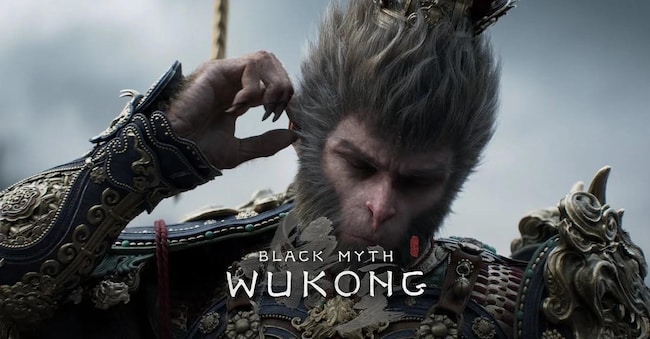
.Black Myth: Wukong, an action-adventure title based on the exploits of the legendary Monkey King (a well-known character in Chinese culture from a 16th century tale), garnered over 2.1 million simultaneous players on Steam in its global debut on Tuesday. More than popular titles such as Cyberpunk 2077 and Elden Ring, according to SteamDB data. It ranked just above Palworld and Counter-Strike 2 for peak concurrent players, which counts the number of people playing a game simultaneously worldwide.
Above all, it is a milestone for the Chinese video game industry. It is considered China's first 'AAA' title, a big-budget global game with sophisticated gameplay and advanced graphics. Chinese media reported that it is one of the most expensive games ever developed in China, with a budget of more than USD 50 million.
The Chinese video game industry is dominated by titles played on smartphones, not big-budget console or PC games that are released globally. Black Myth: Wukong is initially being released on Ps5 and PC.
The industry in China and the political value of the game
.In recent years, the industry, worth around $40 billion, has been in turmoil in China. The government has tried to curb its success fearing that children might become addicted and corrupted by games. Beijing has introduced rules that prohibit young people from playing online games during school days and impose time limits on games on weekends and public holidays.

