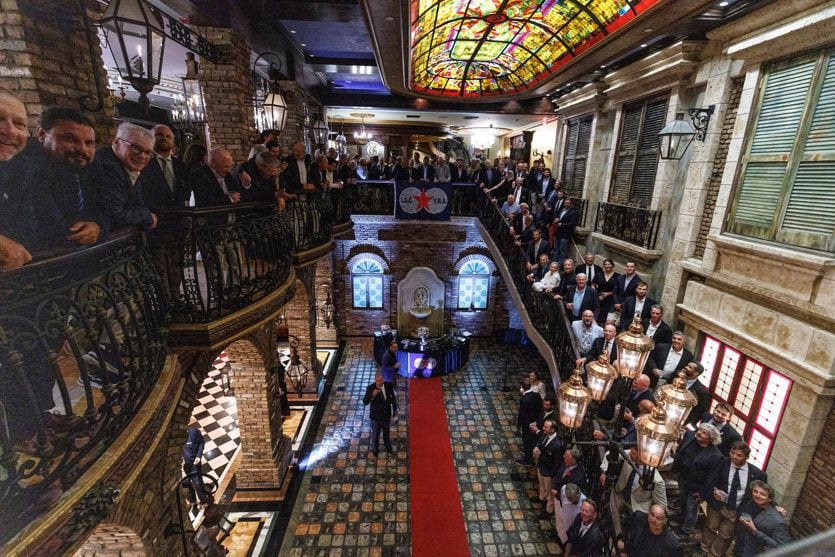
With sailors like Straulino, the Star class is still a sailing academy
The third World Championships in Miami and the Ligurian champion’s insights into reading the wind. New boats are always being built on Lake Como

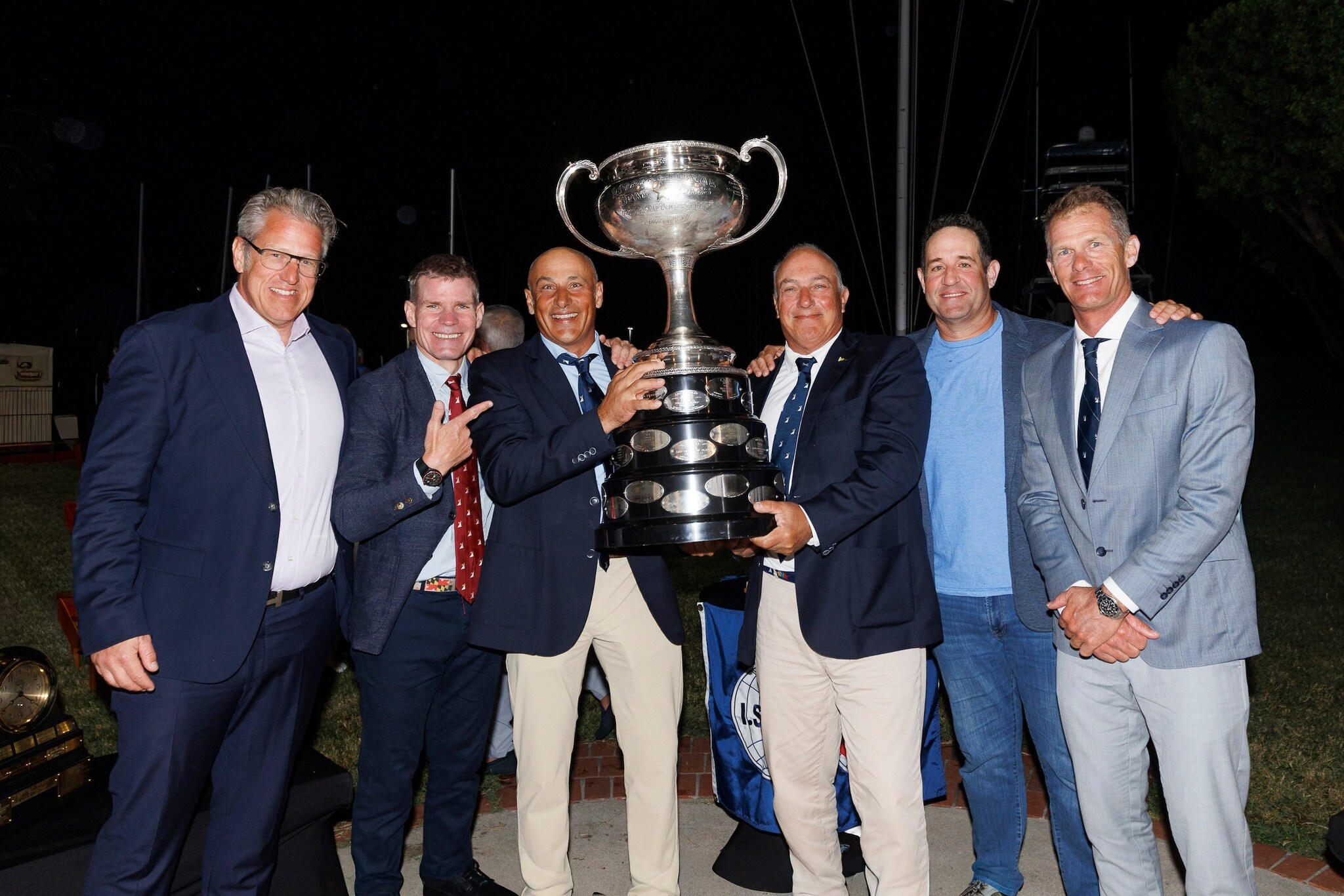
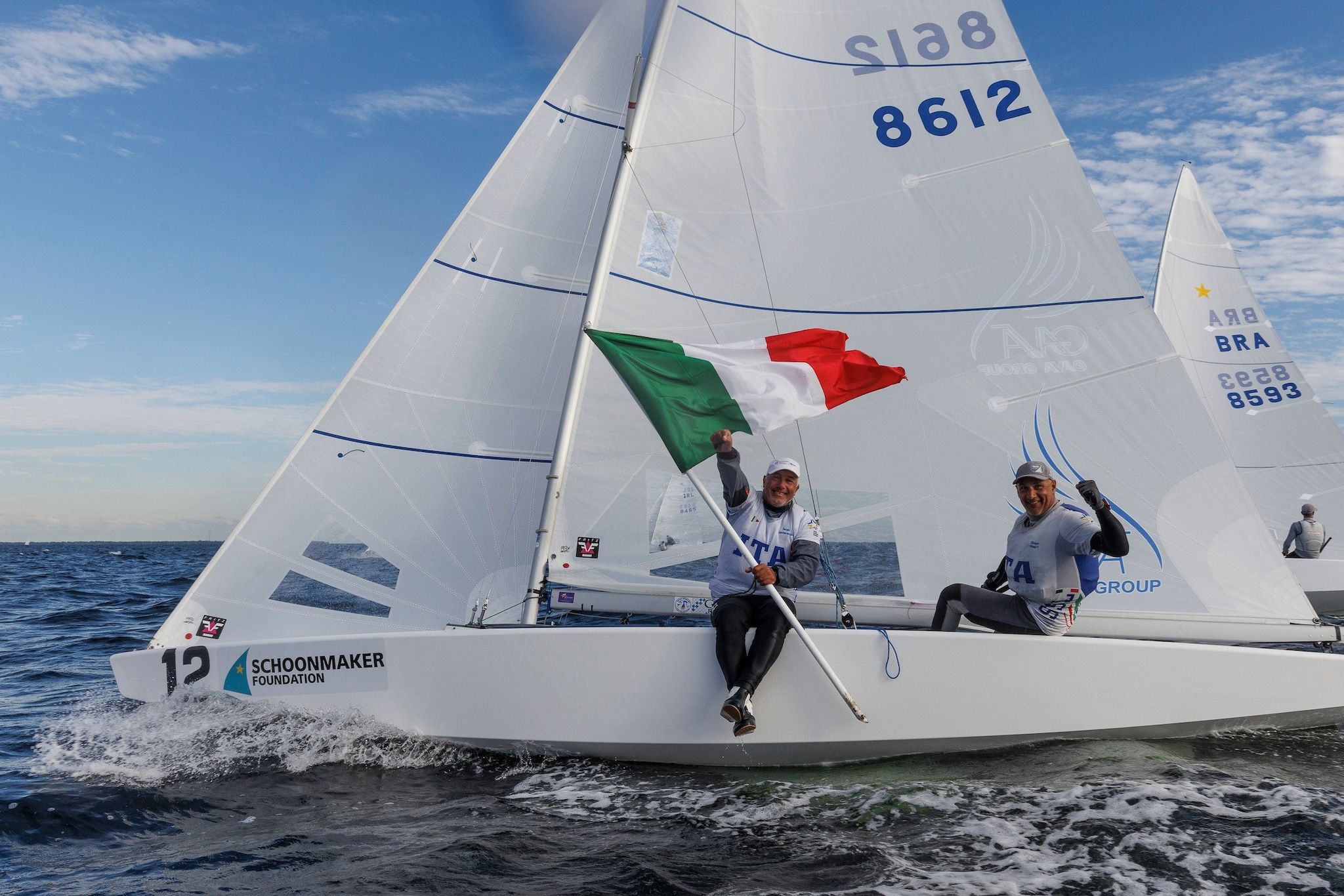
“With experience and maturity, you can remain strong in all circumstances.” Diego Negri said this after winning his third Star Class World Championship in Miami at the age of 55. He joins Agostino Straulino, Robert Scheidt and Bill Buchan. The Navy admiral, commander of the Amerigo Vespucci, won three titles with Nicolò Rode and Olympic gold in Helsinki in 1952. Negri won in 2021 with Frithjof Kleen, and in 2022 and 2026 with Sergio Lambertenghi from Torbole. A crew that brings together the Ligurian and Lake Garda sailing traditions.
The Star class, founded in 1911, brought its Olympic history to a close at London 2012. Among the world champions of the ‘queen’ of sailing – a double-keeled dinghy with a flexible mast and fine-tuning capabilities – are Dennis Conner, four-time winner of the America’s Cup; Paul Cayard, at the helm of the Moro di Venezia in 1992; Torben Grael, tactician for Luna Rossa in 2000; and Iain Percy, who won Olympic gold in the Star class in 2008 at the helm of Artemis. Among the veterans is also Francesco Bruni, an Olympic competitor in the Star class at Athens 2004, who recently moved from Luna Rossa to Tudor Team Alinghi for the 2027 America’s Cup in Naples. The Brazilian Scheidt, a five-time Olympic medallist, took third place on the podium in Miami alongside Austin Sperry, behind Negri and the Norwegian Eivind Melleby.
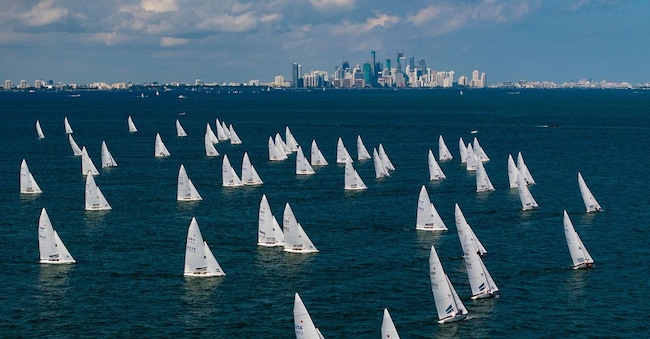
The championship brought together 95 crews from 17 nations and 23 sailors who are already world champions in this class. There were plenty of experienced sailors and many Olympic medallists, but also a fair amount of new blood: no fewer than nine crews in the under-30 category. “It’s one of the most technically demanding boats there is and offers a fantastic experience both upwind and downwind,” says Negri. The explanation lies in the duration of the races: “A slower strategy like ours, with races lasting two hours, forces you to really understand the characteristics of the wind, the changes in the current, and the possible variations caused by passing weather systems.”
It’s a job that continues after the start and requires you to observe the course as it changes. “There’s a certain charm in being able to track the shifts,” he explains, referring to the fluctuations in the wind. “On the final day of the World Championships, you always had to be in sync.” In Miami, he chose equipment suited to a range of conditions, without tailoring his preparation exclusively to a single wind strength. “When I manage to achieve a good result in light winds with a single set of sails, I’m confident that when my preferred conditions arrive, I’ll have an advantage over those who specialise in one specific wind strength.” First and third places in the final two races sealed the championship.
Boats are still rolling off the production lines, even in Italia. On Lake Como, Folli, in Abbadia Lariana, is still building new Star-class boats. Negri sails all over the world in other classes too, but in his spare time he also sails on foils: “I enjoy it; it gives you a really great feeling: flying over the water, no noise, and great speed.” He advises young people to give it a go, not least for the career opportunities. “Foil boats also have this tactical and strategic aspect, but everything happens much faster and decisions have to be made very quickly,” he explains. When it comes to competition, he still applies the approach he learnt on dinghies: “I approach it the way I learnt to do it as a child.”