
Blue Owl Capital stops the redemption of a fund, tension on Wall Street
Over USD 300 billion under management: bets in tech and artificial intelligence

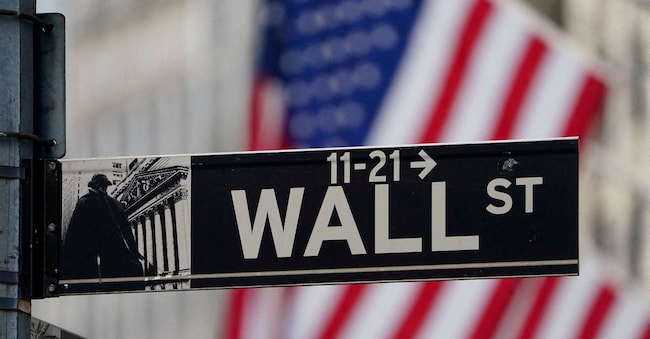
There is one story that has been keeping Wall Street anxious in recent days. And it is that of Blue Owl Capital, which is at the centre of a very tense phase in the private credit market, a sector that has grown to $1.8 trillion globally in recent years.
The most obvious signal came last week, when the company decided to permanently close the redemption windows of one of its $1.6 billion funds, preventing investors from withdrawing capital on a quarterly basis as previously planned. In parallel, the company also initiated the sale of about one-third of the loans held by the fund and announced the return of 30 per cent of the capital to investors in the next 45 days.
The decision came after months of redemption requests and the abandonment of a plan to merge with another vehicle of the group. It must be said that in the past, Blue Owl had the option to limit redemptions to 5% of assets each quarter to avoid forced sales. This time, however, it has opted for a faster solution, claiming that it will accelerate the return of capital.
In all this, the markets reacted strongly. The shares fell as much as 10% in a single session and have lost almost 60% in the last 13 months, despite the fact that the group's revenues have grown in the same period. A substantial drop, which has also affected other large private lenders such as Ares, Blackstone and Apollo.
The context is delicate. The private credit sector, after years of sustained expansion, has come under scrutiny for the quality of loan protections, liquidity structure and transparency of valuations. Some investors have pointed to similarities with the dynamics prior to the 2008 financial crisis, highlighting the risk of a mismatch between the liquidity promised to underwriters and the actual liquidity of the assets in the portfolio.


