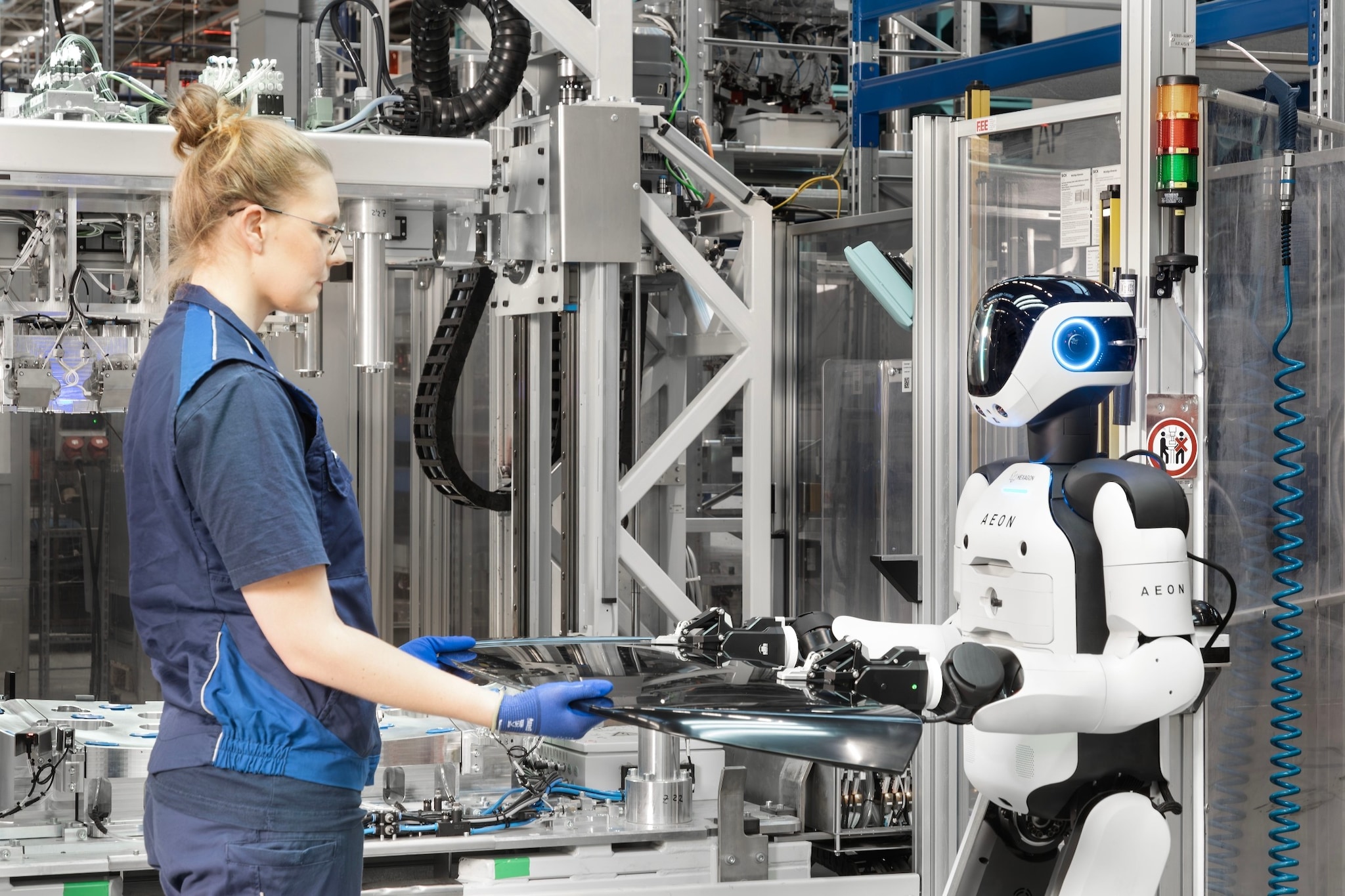
Bmw, there are now humanoid robots in the factory
The Munich-based group is continuing its decision to use artificial intelligence in its production processes. An approach that has made it possible to integrate humanoid robots into the group's factory in Leipzig that were initially tested at Bmw's American location in Spartanburg

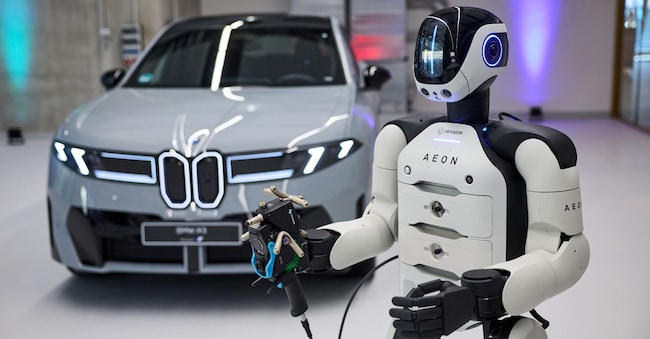
The Bmw Group for the first time starts a pilot project combining artificial intelligence with humanoid machines and robots at its Leipzig plant. The initiative aims to integrate humanoid robotics into the current series production of cars and to evaluate further applications in the production of batteries and components. Last year, BMW successfully implemented a similar pilot project with humanoid robots at its plant in Spartanburg, USA.
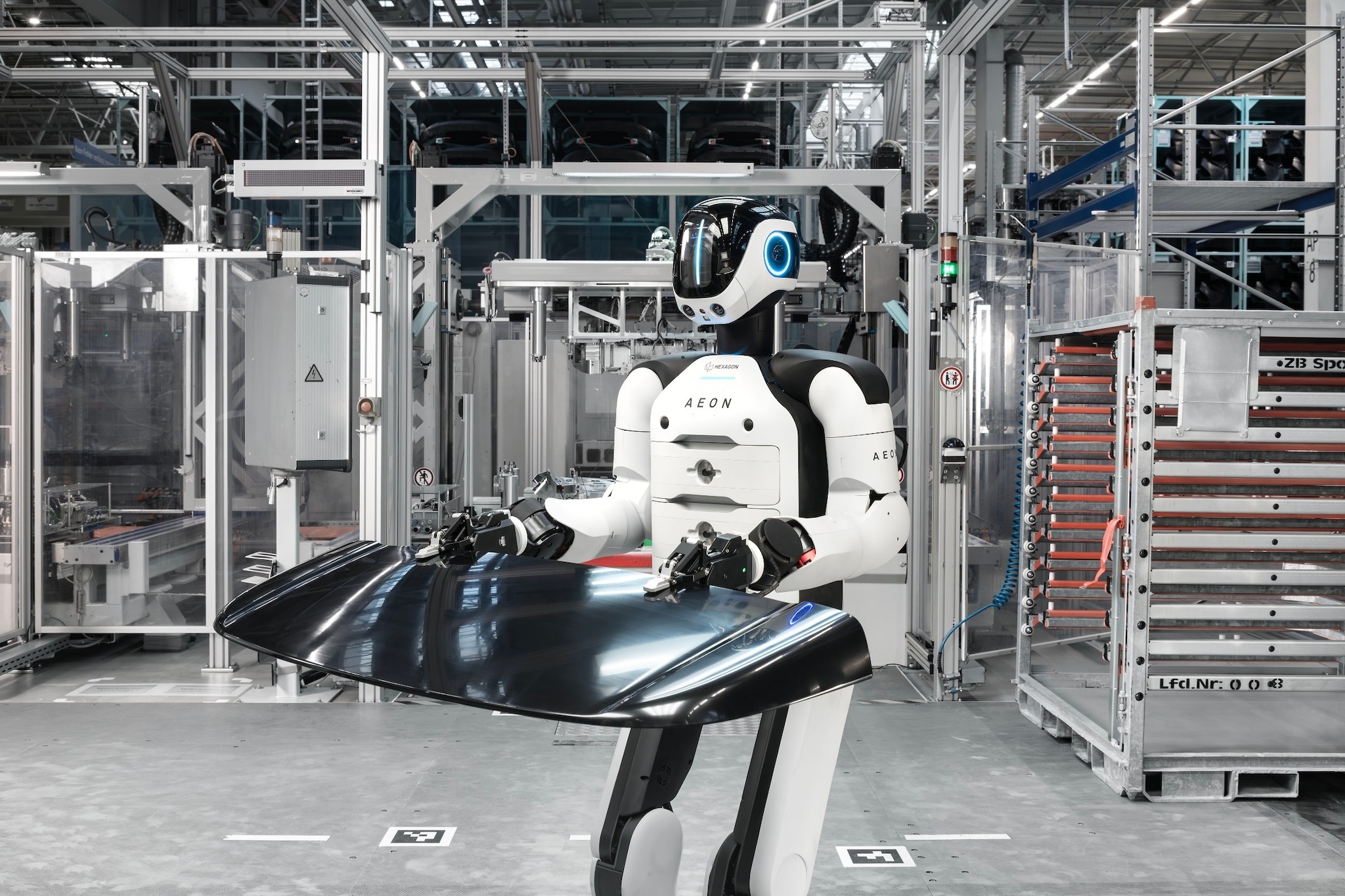
Robots are an addition to automation systems
Digitisation and artificial intelligence are key elements of the BMW iFactory and form the basis for a future-oriented production system. The brand is now strategically expanding its automation portfolio to include Physical AI and humanoid robotics. Humanoid robots are an added complement to automation systems. In particular, they show potential in repetitive, heavy or safety-relevant tasks. From the project phase started in Spartanburg to a deployment in LeipzigThe aim is to lighten the workload of employees and improve operating conditions. The integrated data platform of the production system makes the Bmw Group an attractive partner for technology and humanoid robotics companies in an industrial context and under real-life conditions. In this respect, Bmw envisages that technology partners will be assessed according to defined maturity or industrialisation criteria and tested in pilot projects under real production conditions. A further phase is planned in April to start the final phase in the summer After an initial theoretical analysis, the evaluation continues in the laboratory, using real-life use cases in the production system to test its integration capability.
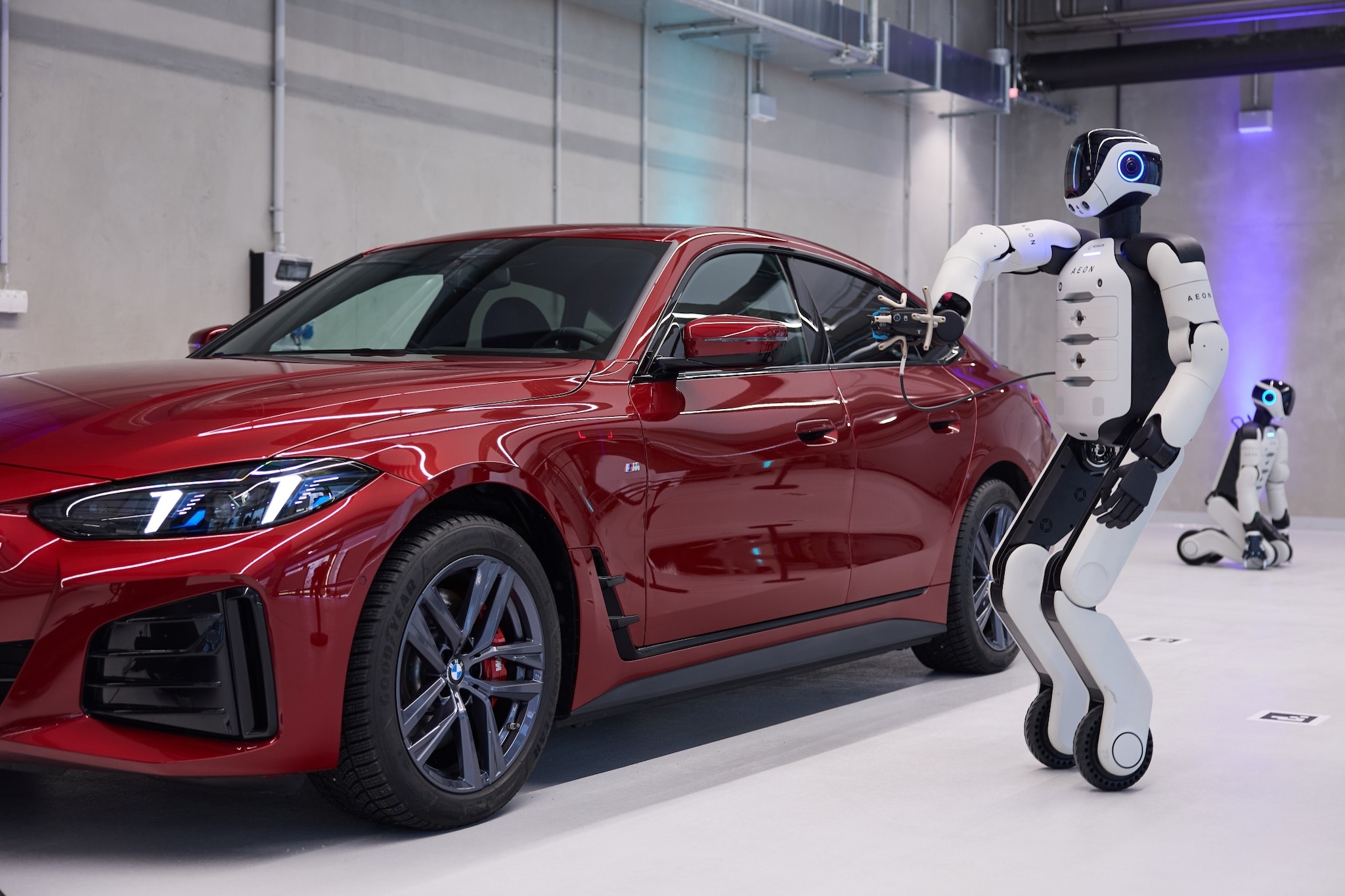
In the event of a positive outcome, this is followed by a test phase in a group plant under real operating conditions and the actual pilot phase. After an initial phase of theoretical evaluation and successfully completed laboratory tests, a trial deployment started in December 2025 at the Leipzig plant. The robots handle 90,000 components in 1,250 work stepsA further test phase is planned from April 2026, with the aim of ensuring full integration in view of the start of the actual pilot phase, scheduled for summer 2026. I In total, the robot has handled more than 90,000 parts and walked about 1.2 million steps in approximately 1,250 hours of operation. The project confirmed that the humanoid robots were able to safely perform precise as well as repetitive work steps
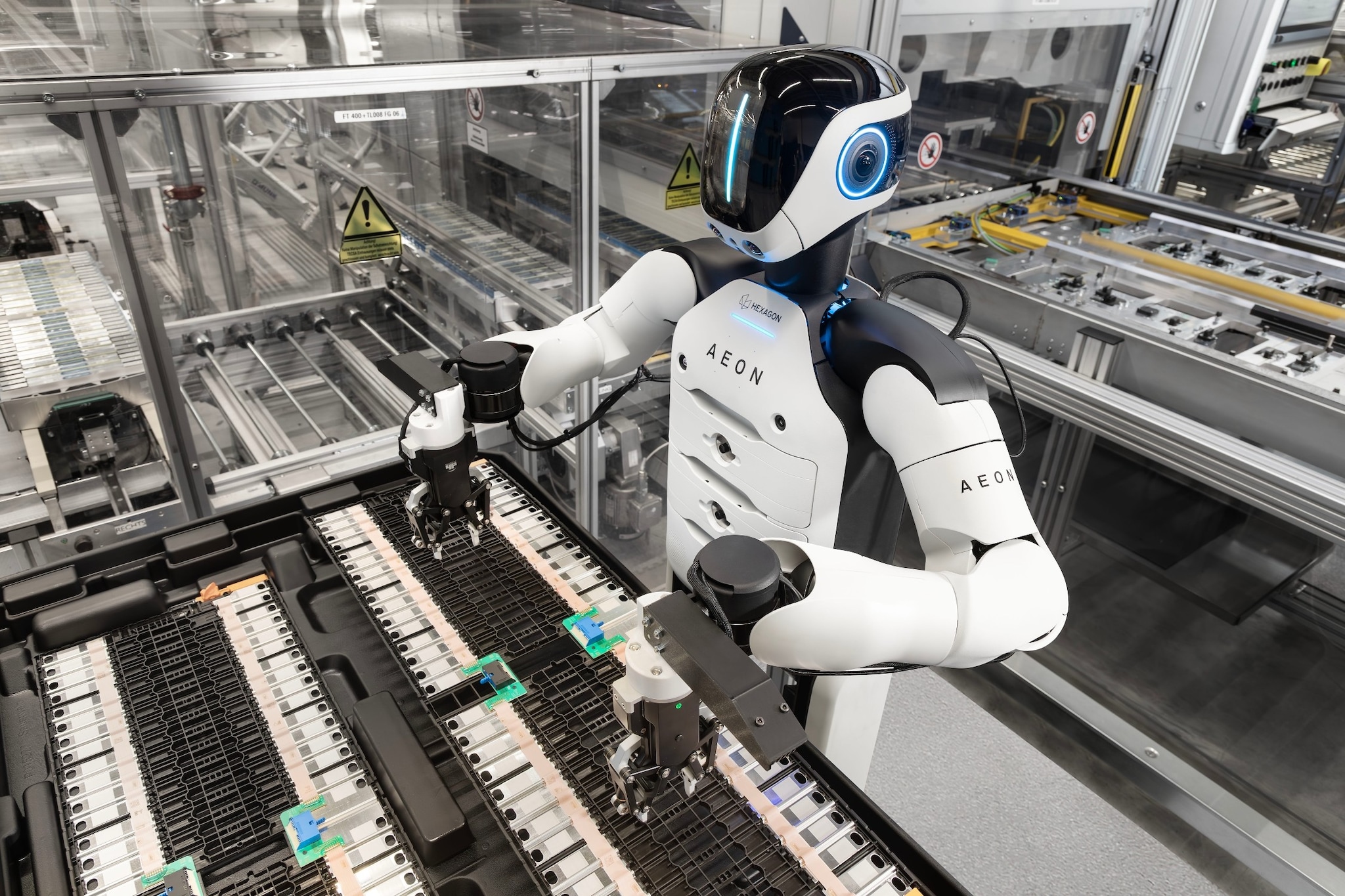
The body shop was chosen for its high degree of automationOne of the main findings was that the transition from the laboratory to the real production environment took place faster than expected. The movement sequences in the laboratory were transferred to a stable shift operation. The body shop was specially chosen for the test phase, as it already had a high degree of automation. The employees in this area have extensive experience in integrating new technologies and processes. The use of robots has aroused great interest in the factoryFinally, the supply of materials along the line is already almost exclusively carried out by automated smart transport robots. Early communication by the project team ensured transparency right from the start of the project and promoted acceptance. The use of humanoid robots aroused great interest among all employees in the factory and quickly became a natural part of the daily activities during the production project.