
BMW i3, electric with a range of 900 kilometres: our test drive. Specifications, dimensions and prices
Two all-wheel-drive versions and up to 469 cavalli for the saloon based on the Neue Klasse platform.

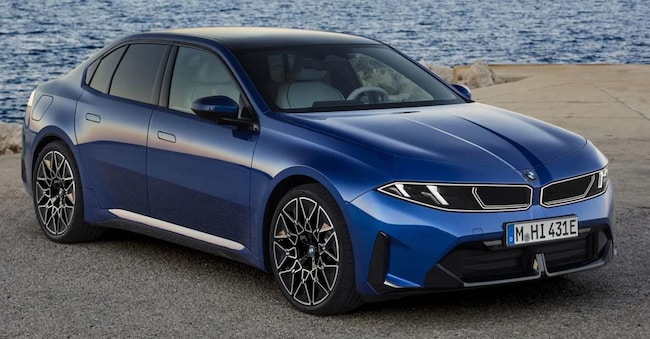
The BMW 3 Series goes electric with the i3, whilst remaining true to the hallmarks of a BMW, starting with driving pleasure and performance. More than fifty years after the debut of the first generation, launched in 1975, the German saloon is adding a battery-powered version to its range, taking the name of the 2013 electric compact car but with different dimensions, set-up and role within the range.
BMW i3: dimensions and style
The new BMW i3 is 4.76 metres long, 1.87 metres wide and 1.48 metres high, with a wheelbase of 2.90 metres and a boot capacity of 420 litres, plus a 31-litre front storage compartment. Manufactured at the Munich plant, it is built on the Neue Klasse platform already used by the iX3, which differs from the architecture of the 3 Series with internal combustion engines.
The styling follows the direction pioneered by the iX3, drawing on certain design cues from BMWs of the past, starting with the front end featuring the horizontally oriented double-kidney grille integrated with the headlamps. At the rear, meanwhile, the slim tail lights emphasise the width of the bodywork. Compared to the petrol-powered 3 Series, the electric version has less sleek proportions, influenced by its dedicated architecture and the battery housing: the increased height is particularly noticeable when viewed in profile.
BMW i3: platform and technology
The Neue Klasse platform combines an 800-volt electrical architecture with an electronic control system based on four central computers, known as the ‘superbrain’, which share control of the vehicle’s dynamics, driver assistance and parking aids, the multimedia system and on-board functions. Among these, the Heart of Joy works in conjunction with the BMW Dynamic Performance Control software and brings together the management of propulsion, braking, energy recovery and certain steering functions, which were previously handled by separate control units. It responds ten times faster than previous systems, coordinating torque delivery and deceleration with fewer corrective interventions.

