
BMW: a multi-energy transition

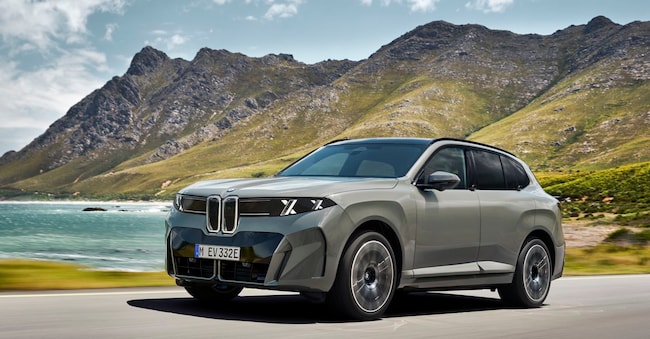
BMW has not opted for electric vehicles at any cost. Whilst part of the industry has focused its development and investment almost exclusively on batteries, the Munich-based group has maintained a multi-energy strategy, of which the new X5 is now the most representative model. The fifth generation of the German SUV will, in fact, be the first BMW to be offered with five different powertrain options, ranging from mild-hybrid petrol and diesel engines to plug-in hybrid versions, right through to the all-electric iX5 and the future iX5 Hydrogen with fuel cells.
A range that reflects the manufacturer’s desire to keep multiple options open during the transition, tailoring its offering to different markets, infrastructure and usage profiles. The first versions of the new X5 will go on sale from late November 2026, whilst the electric and plug-in hybrid models will follow in early 2027. Production will continue at the US plant in Spartanburg, where the X5 has been manufactured since 1999. On the internal combustion front, the inline-six engines will remain, complemented by 48-volt mild hybrid technology. The petrol-powered X5 40 xDrive delivers 400 cavalli, whilst the 40d xDrive diesel version produces 313 cavalli. The plug-in range includes the 489 cavalli X5 50e xDrive and the more powerful 612 cavalli M60e xDrive, both capable of covering distances in electric mode that are sufficient for a significant proportion of daily journeys. The most striking technological leap, however, concerns the iX5 60 xDrive. It is the first battery-electric X5 and utilises the sixth generation of eDrive technology developed for the Neue Klasse. The 800-volt architecture, the new cylindrical cells and a battery with a capacity of over 140 kWh enable a claimed WLTP range of up to 845 kilometres, whilst fast charging reaches 460 kW. These figures confirm that, for BMW, electric remains central, but not exclusive. In 2025, the group delivered 442,056 fully electric cars, accounting for 17.9 per cent of total sales, whilst including plug-in hybrids, electrified models exceeded 642,000 units. The next step is scheduled for 2028, when the iX5 Hydrogen – BMW’s first mass-produced hydrogen-powered car – will make its debut.
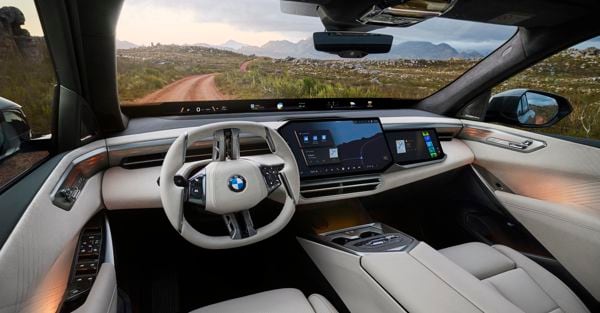
The third-generation fuel cell system is being developed in collaboration with Toyota and will be combined with a hydrogen storage system integrated into the vehicle and a high-voltage battery. The expected range is up to 750 kilometres. Fuel cell technology will therefore not replace battery-electric vehicles, but will join the same range as an additional zero-emissions option. For the fleet sector, this approach has a specific significance. BMW continues to invest in electric mobility and the Neue Klasse, but avoids tying the entire range to a single technology. In a market where mileage, charging availability and tax regulations vary from country to country and from customer to customer, the X5 embodies a strategy built on flexibility. Petrol, diesel, plug-in hybrid, electric and hydrogen thus coexist within the same model, leaving the choice open – a decision which, for Munich, remains first and foremost an industrial and commercial one.

