BMW R 1300 RT: how does the queen of German touring bikes perform?
The 2026 model year BMW R 1300 RT adds a touch of sportiness whilst retaining its touring focus

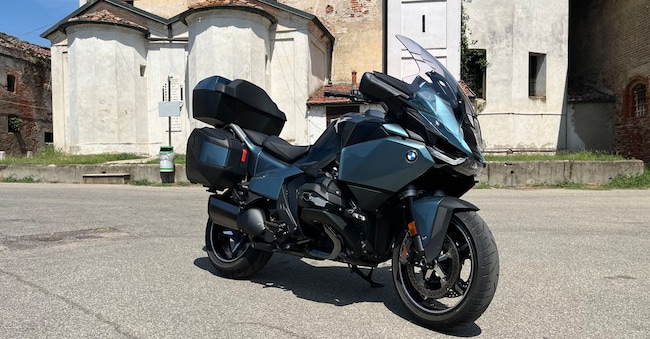
For almost 50 years, the RT designation has been a benchmark in the grand touring sector: the BMW RT is a motorbike that has accompanied generations of travellers, law enforcement officers and long-distance riders thanks to a combination of comfort, aerodynamic protection and reliability. With the new R 1300 RT (from €24,400), the Munich-based manufacturer has not merely updated the model, but has completely reimagined it, making it sportier.
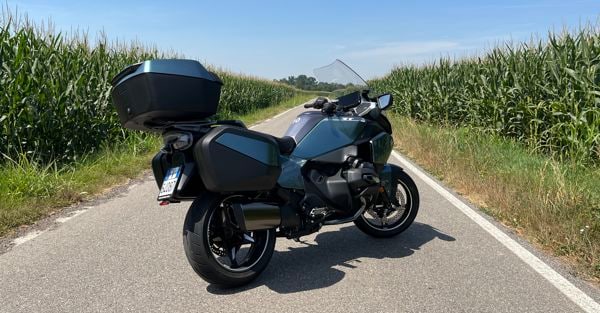
Same engine, automatic gearbox
At the heart of the new Rt is the 1,300 cc boxer twin-cylinder engine that made its debut on the GS: capable of producing 145 cv with 149 Nm of peak torque, it is the most powerful production boxer engine ever produced by BMW. The new engine is more compact thanks to the different gearbox layout and the new internal architecture. The ShiftCam system continues to manage variable valve timing, delivering extremely smooth power delivery: the bike accelerates seamlessly from 40 km/h in sixth gear.
The R 1300 Rt comes as standard with three riding modes: ‘Rain’ and ‘Road’ allow you to adapt the riding characteristics to most road conditions, whilst ‘Eco’ optimises the use of ShiftCam to save fuel. Optional “Riding Modes Pro” – namely “Dynamic” and “Dynamic Pro” – are available for a sportier riding experience; these adjust various parameters of the motorbike (engine, gearbox, suspension).
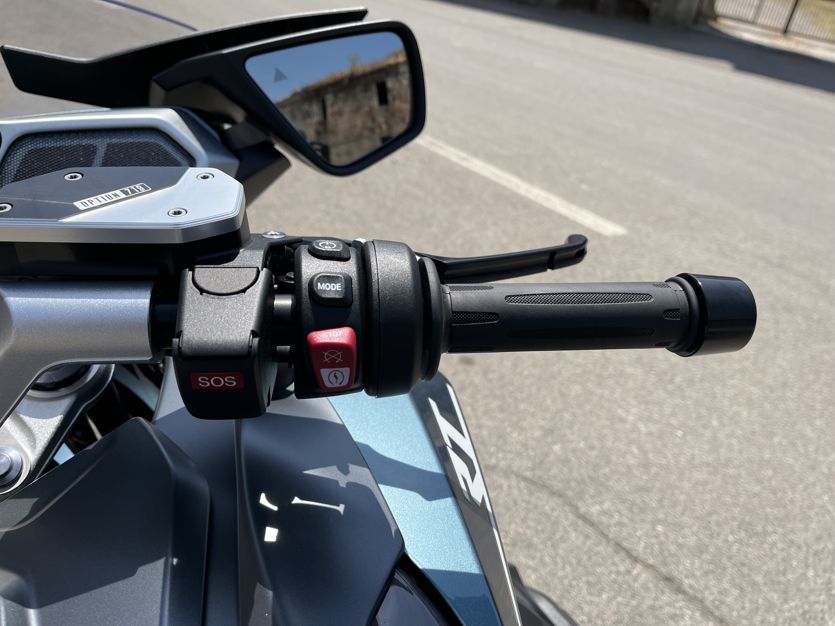
The test vehicle was fitted with the Asa gearbox (Automated Shift Assistant, 900 euros), which deserves an article of its own: it features fully automated clutch control with either manual or automatic gear changes, based on two electromechanical actuators. In practice, it is no longer necessary to operate the clutch lever manually, not even when stationary: setting off, stopping and manoeuvring are simplified. In automatic mode, unlike other dual-clutch gearboxes which offer smoother transitions between gears, the gear changes are clearly noticeable with a slight hesitation during the shift; whilst this may come as a surprise at first, it does not detract from the driving pleasure. And there’s always ‘M’ (Manual) mode, in which the rider retains the option to change gear using the left-hand pedal (there are no buttons on the handlebars). During our test, we didn’t experience any hesitation, whether during smooth gear changes at low engine revs or during more sporty riding.
On the bike
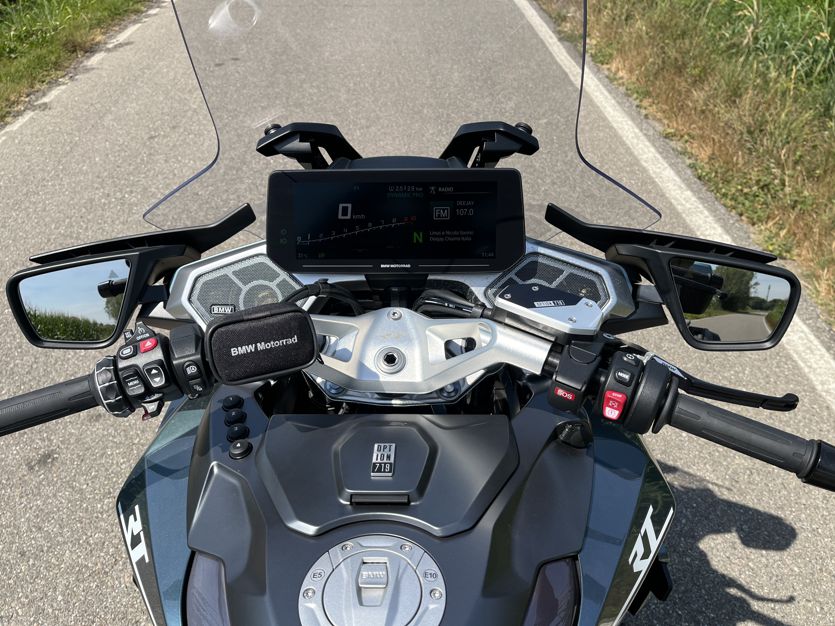
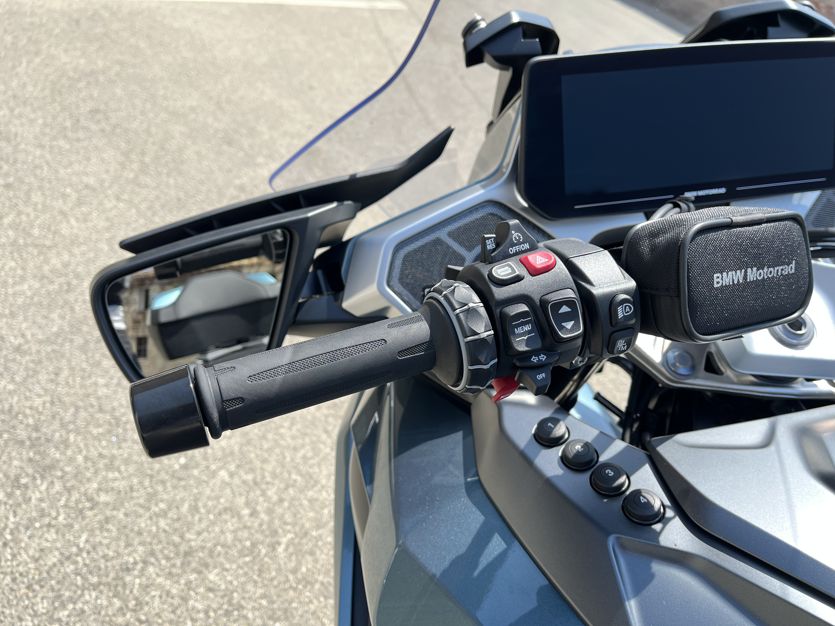
The new Rt has a sportier riding set-up, in that the triangle formed by the handlebars, footpegs and seat positions the rider further forward than before; this results in greater feedback from the front end, and therefore even better control during dynamic riding. The riding position remains comfortable, however, even on longer journeys, without causing strain on the wrists or back. In front of the rider is a proper command centre, featuring a 10.25-inch display that is fairly intuitive.