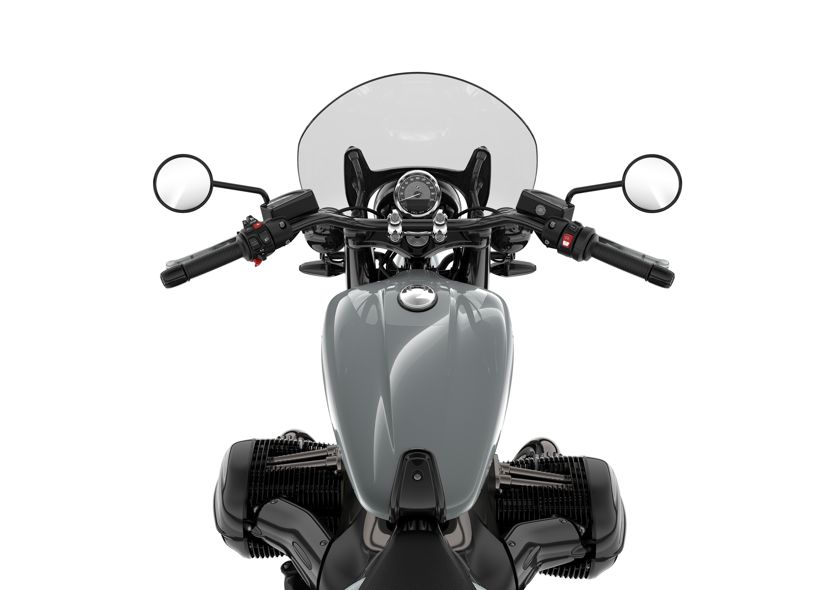
Bmw R 18 Classic, how the Bavarian cruiser goes
The R 18 Classic is powered by the largest boxer engine in BMW's history
by Gianluigi Guiotto
 Aggiungi Il Sole 24 Ore
ai preferiti su Google
Key points
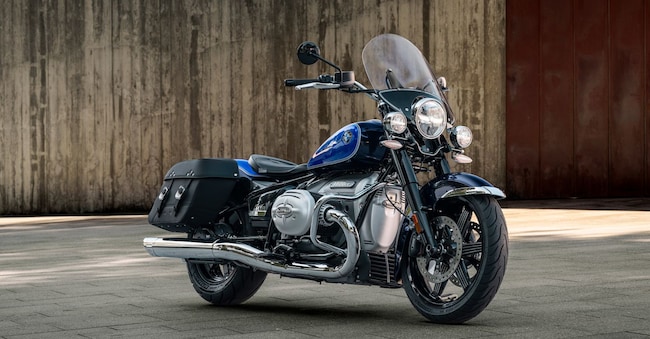
BMW entered the cruiser segment in 2020 with the R 18. Over the years, the Big Boxer Heritage family has been enriched with new models, all sharing a clear declaration of intent: to enter the large cruiser segment, dominated by overseas models, without renouncing its own technical and cultural identity. We were able to test-drive the R 18 Classic (prices from 24,000 euro) for a couple of weeks, an outfit that moves in the wake of the Bavarian manufacturer's historical memory, recalling the lines and proportions of the R 5 of the 1930s. Everything is the result of careful study, from the deep chrome plating to the double steel cradle frame, from the beautiful 19" and 16" spoke wheels to the deliberately exposed cardan shaft drive. In the Classic we then find the vintage-style side bags, windscreen and additional headlights that define a touring vocation. Build quality is always high: deep chrome, high-quality paintwork and solid components immediately convey the feeling of a premium product.
Big Heart
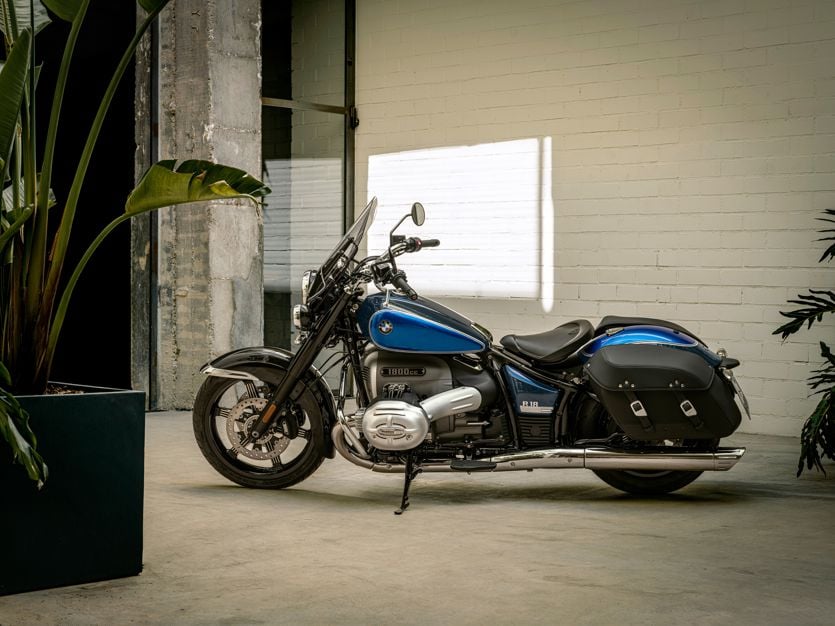
The design is dominated by the gigantic exposed boxer engine, the real protagonist aesthetically as well as technically. The oil-air-cooled 1,802 cc Big Boxer is the largest ever produced by BMW: it delivers 91 hp and an impressive 163 Nm of torque at just 3,000 rpm. It is certainly not an engine designed for racing: here everything revolves around torque and fluidity; the thrust is powerful from the very low revs, with a full-bodied and linear progression. The twin-cylinder has rocker-rod timing and three engine maps: Rain (rain), Roll (touring, with gradual delivery), Rock (more aggressive).
Embracing the huge boxer is a steel frame with a double cradle structure, combined with a mighty 49 mm upside-down fork and a swingarm that surrounds the rear drive axle and works with a preload adjustable monoshock; the suspension travel is limited, as in every cruiser: 120 mm at the front and 90 mm at the rear recommend taking it easy on bumps and potholes. The braking system consists of a 300 mm double disc at the front and a single disc brake at the rear, 'assaulted' by two fixed four-piston callipers.
Riding
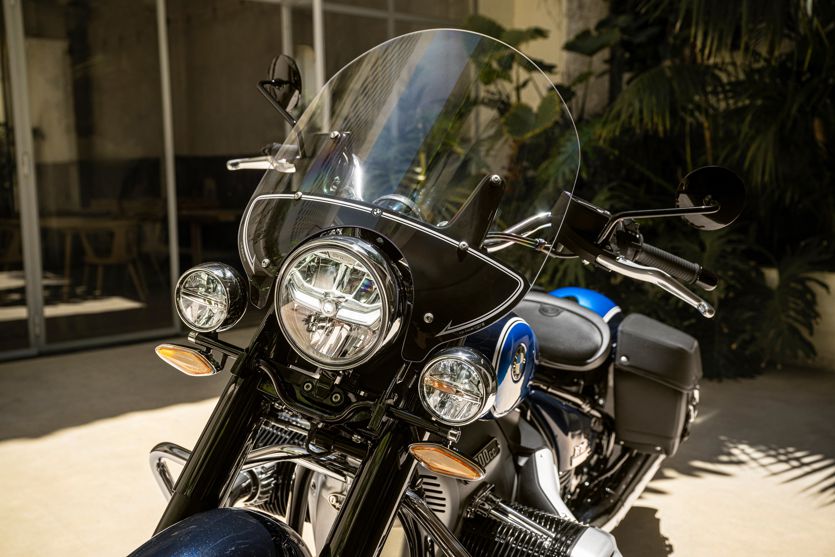
The very well padded seat is 73 cm above the ground, low but not very low, with the footrests in a central rather than forward position, a sign that this is a bike that likes to be ridden and not just carried around. Already straightening the bike to remove the side stand requires a fair amount of effort: the R 18 Classic, in running order, weighs 369 kg and does nothing to hide it. To start it up, you don't need to insert the key thanks to the keyless start, but you do need to pull the clutch: a ploy to force you to keep two hands on the handlebars and to avoid nasty surprises from the powerful drag torque that gives a discreet thump to the right at start-up and every time you open the throttle.
The position is relaxed, with the arms extended (the less tall will have to lean out a little), while the protection offered by the windscreen is complete. The large cylinder heads take some space away from the feet; in particular, it is a little difficult to reach the brake pedal, especially if you have feet over 45. The shift pedal, on the other hand, is easy to operate because it is a rocker, so you use your heel to shift up a gear.