Automotive

Bmw, trouble in the US: 8,000 Minis imported with banned Chinese parts

Violation of a 2021 law blocking incoming goods from Xinjiang, where the Turkic-speaking Uyghur minority is forced into forced labour

by Finance Review

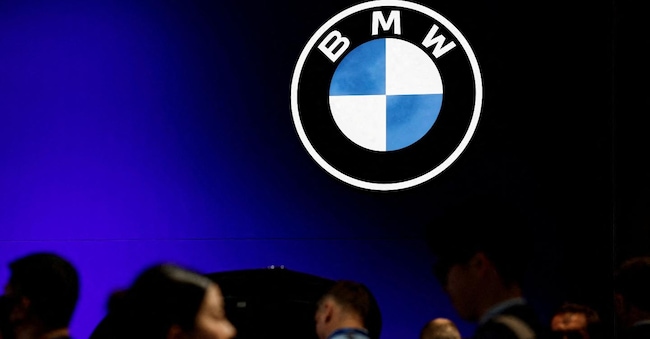
Visitatori dello stand Bmw al Salone dell’Auto di Pechino, il mese scorso.

4' min read

4' min read

Bmw imported 8,000 Mini Coopers into the US with electronic components from a Chinese supplier banned because it was accused of using forced labour. This was revealed in a report by the staff of the chairman of the Senate Finance Committee, Ron Wyden. The violated law dates back to 2021, but the Munich-based company continued to import products with the banned components until at least April.

The German premium car manufacturer group says it has 'taken steps to stop the import of the affected products'. The company will replace the specific parts and ensures that it follows 'strict standards and policies regarding employment practices, human rights and working conditions', which 'all direct suppliers must follow'.

Loading...

US law against forced labour in China

In 2021, Congress passed the Uyghur Forced Labor Prevention Act (Uflpa) to strengthen the enforcement of regulations preventing the import of goods from the Chinese region of Xinjiang. An exchange of accusations and defence arguments has been going on for some time. In the West, it is believed that forced labour of the persecuted Turkish-speaking Uyghur Islamic minority in the country is exploited in that area. Beijing has always rejected the accusations. Even Volkswagen, another German big company involved because it has a factory in that area, in the capital Urumqi, run in jv with the Chinese giant Saic, has repeatedly denied using forced labour.

According to Wyden, however, 'it is clear that self-regulation by car manufacturers is not working'. The senator urged the Customs and Border Protection agency to "take a number of specific steps to strengthen enforcement and crack down on companies that fuel China's shameful use of forced labour".

The report found that Bourns, a California-based car supplier, purchased components fromSichuan Jingweida Technology Group (Jwd). The Chinese company was blacklisted by Uflpa in December, meaning its products were allegedly made with forced labour.

Bourns supplied Jwd components to Lear, itself a direct supplier to BMW and Jaguar Land Rover. In January, Bourns notified Lear that electronic components known as Lan transformers (critical components for maintaining signal integrity and reducing electromagnetic interference in networks used for communication between various vehicle systems, such as infotainment systems, cameras and sensors, ed.) had been manufactured by Jwd and were banned in vehicles imported from the US.

Un video incastra Pechino, 'compie abusi sugli uiguri'

On 11 January, Lear sent letters to Bmw, Jaguar Land Rover, Volvo and Volkswagen informing them of the banned components. Lear confirmed that it promptly informed customers 'of the products containing these components and worked with our supplier to quickly outsource the production of these components to another subcontractor'.

According to the report, Jaguar Land Rover also imported spare parts with Jwd components after December, adding that the carmaker quarantined all existing stocks containing the Jwd component globally to dispose of them. Jaguar Land Rover said that as soon as it became aware of the problem, it 'immediately stopped all shipments of the two affected spare parts'. The Indian Tata Motors subsidiary added that it 'takes human rights and forced labour issues seriously and has an active and ongoing programme of human rights protection and anti-slavery measures'.

February's precedent and Porsche's accounts

.

The report goes on to state that Bmw would stop the imports 'only after the committee repeatedly asked Lear and Lear's client car manufacturers, including Bmw, detailed questions about their relationship with Jwd'. Lear in turn stated that it took the questions raised seriously and shared 'the commission's desire to combat forced labour', stressing that it had no direct relationship with Jwd.

In February the Group Volkswagen had confirmed that several thousand Porsche, Bentley and Audi had been detained at US ports because a Chinese sub-component had violated laws against forced labour. The long wait for the replacement of the affected part had weighed on Porsche's financial results in the first quarter. Volkswagen had been under bipartisan pressure from the US to leave Xinjiang.

The Volkswagen vehicles, according to the report, contained the Jwd electronic parts and the carmaker had voluntarily disclosed the problem to Customs and Border Protection. Volkswagen said on Monday that it had replaced the parts in all vehicles at US ports and that it 'takes allegations of human rights violations very seriously and is committed to preventing the use of forced labour' in the supply chain.

The impact on markets

.

However, escalating trade tensions with China are unnerving investors. The heavy exposure makes Bmw, Volkswagen and Porsche particularly vulnerable to any retaliatory moves by Beijing, according to Morgan Stanley. "The trade issue is becoming a key issue," said analyst Javier Martinez de Olcoz Cerdan, who cut Vw and Porsche to underweight. China for BMW and Vw, which has been present for 40 years with 39 factories and 90,000 employees, is the most important market, with one third of sales in 2023. The CEO of Europe's leading car manufacturer, Oliver Blume, called it a 'second home'.

The trade war intensified after the US last week imposed new tariffs on some $18 billion of imports from China: 102.5% on electric cars; 25% on batteries; 50% on chips and solar panels. As well as duties on medical products, critical minerals, and steel. The European Union, meanwhile, is considering whether to raise duties, now at 10%, on Chinese electric vehicles. The German automobile industry association has voiced its opposition.

Copyright reserved ©
Loading...

Brand connect

Loading...

Newsletter

Notizie e approfondimenti sugli avvenimenti politici, economici e finanziari.

Iscriviti