
Boeing forecasts stable demand for aircraft over the next 20 years
A total of 43,625 aircraft are expected to be delivered by 2045. At present, there is a shortfall of 2,000 aircraft due to supply chain issues. Passenger traffic is forecast to rise by 2.3% in 2026.

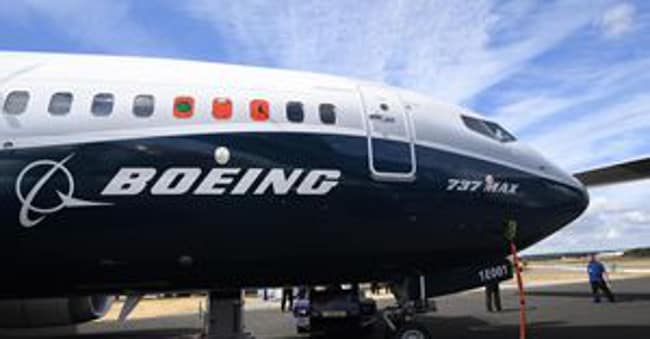
There has been no revision to the forecasts for new aircraft deliveries over the next 20 years, which will continue to be driven by strong demand, according to the ‘Commercial Market Outlook 2026’ published by the US aircraft manufacturer, Boeing, published just a few days before the start of the Farnborough Air Show, which runs from 20 to 24 July.
Over the next 20 years, Boeing forecasts deliveries of 43,625 new passenger and cargo aircraft worldwide, comprising 33,545 single-aisle aircraft, 7,715 wide-body aircraft, 930 cargo aircraft and 1,435 regional jets. Whilst Boeing considers the impact of the war in Iran to be minimal, its competitor Airbus, on the other hand, had reduced its forecast by 1 per cent to 42,060 new aircraft when publishing its projections, citing the war with Iran and trade tensions.
The commercial aviation market continues to demonstrate a remarkable ability to adapt despite the economic and geopolitical challenges characterising 2026. According to Boeing, the current year represents a period of transition. Global economic growth is slowing, fuel prices have risen significantly and airlines’ profitability is being affected by the macroeconomic environment. At the same time, both passenger and cargo traffic are showing a greater capacity for recovery than expected, confirming the sector’s structural resilience.
Boeing forecasts passenger traffic growth of around 2.3 per cent this year – less than half the 5.3 per cent growth rate recorded last year – before rebounding to 6–7 per cent in 2027 and 5–6 per cent in 2028. “Our outlook is that global passenger traffic will return to growth by the end of 2028,” said Darren Hulst, Boeing’s vice-president of marketing, during a conference call. He described the current slowdown as not comparable to the shock caused by the pandemic. Freight traffic is also expected to increase by an average of 3.7 per cent per year.
The company points out that some international routes have adjusted their operational flows to adapt to geopolitical tensions, whilst international cargo capacity has already returned to levels above those of the previous year. According to the US manufacturer, demand will continue to be driven by structural factors such as the expansion of the middle class, the growth of international tourism, and the rise in trade and e-commerce.


