
Boeing: a turnaround is still a long way off: delays and production under pressure
On the eve of the meeting between Chinese President Xi Jinping and US President Donald Trump, hopes are high for a major aircraft order. Production of the 737 and 787 is slowing down

The summit between Chinese President Xi Jinping and US President Donald Trump, scheduled for Thursday 24 September in Washington, will also have the Boeing issue on the agenda. Chinese orders for the US manufacturer remain at the 200 ‘large’ aircraft announced by Trump himself during his last visit to China in May. The agreement had immediately proved to be less extensive than had been expected in the run-up to the meeting. And, at least for now, the forthcoming meeting between the two leaders does not appear to be laying the groundwork for a major order. According to Boeing’s management, an increase in orders is more likely.
In light of past experience, Boeing’s CEO, Kelly Ortberg, adopted a cautious stance during a meeting with analysts last week. However, regaining a stronger foothold in the Chinese market remains a strategic objective for the US group, which is aiming to make up ground in the world’s second-largest commercial aviation market.
The Chinese issue forms part of a wider picture in which Boeing’s restructuring process has not yet reached its conclusion. Following the progress made in recent years towards stabilising the group, the outlook for the coming months remains affected by persistently slow production and further manufacturing delays, starting with the 777X programme. Boeing confirms its target of commencing the first deliveries of the 777X in 2027, but some testing activities could extend beyond the end of the year. The main issue concerns, in particular, the certification of certain components of the GE9X engine, manufactured by GE Aerospace. According to Ortberg, this matter could create ‘some difficulties’ between now and the end of the year and result in some of the tests being postponed until 2027.
For Boeing, this is yet another setback for a programme that has already suffered years of delays. The 777X, the new wide-body aircraft designed for the long-haul market, is now some seven years behind its original schedule: entry into service, initially planned for 2020, is now expected in 2027. The protracted development and certification process offers Airbus a further opportunity to strengthen its position in the long-haul aircraft market, one of the most profitable segments of commercial aviation.
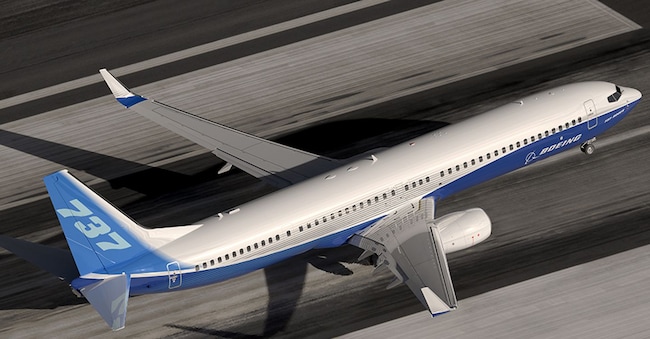
Boeing’s performance is also being weighed down by the 737 and 787 programmes, where deliveries are proceeding at a slower pace than expected. Production of the 737 Max is taking longer than anticipated to stabilise at a rate of 47 aircraft per month. Among the issues highlighted by the company is the in-house production of wings. The long-term objective, however, remains to gradually increase the production rate to 63 737s per month. In May, the Federal Aviation Administration authorised Boeing to increase production to 47 units per month. The process of ramping up production remains gradual, however, whilst the pace of deliveries continues to be a key factor in the group’s cash flow.


