Bonaveri: the art of mannequins in interpreting bodies and time
The company, founded in 1953 in Cento, is world-renowned for its creations, which combine sculptural artistry with technological innovation. This also leads to the use of more sustainable materials

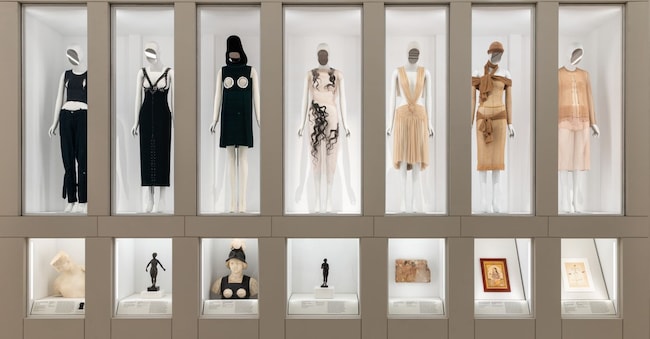
“Mannequins are powerful because they exist within a paradox: they are objects, yet they can also reflect real bodies and experiences,” says Andrea Bonaveri, CEO of the company bearing his family name, in the catalogue accompanying the “Costume Art” exhibition at the Costume Institute of the Met in New York. This is just one of the most recent of the numerous collaborations that have for years linked the world’s leading fashion museums with the company founded in 1953 in Cento (Ferrara) by Romano and Adele Bonaveri, and now recognised as a global leader (with offices in 14 countries) for the production of mannequins – a contemporary expression of an ancient art: the modelling of the allegorical floats for the famous Cento Carnival, whose origins date back to the 17th century.
Mannequins are a form of a
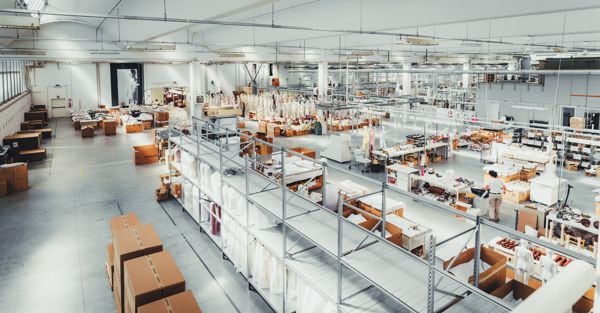
Art itself, as such capable of interpreting its own era, as the exhibition at the Met effectively demonstrates: ‘Alongside the demand for mannequins representing idealised bodies, there has been a growing demand – particularly since the pandemic – for more inclusive representations of the body,’ says Andrea Bonaveri. ‘For this exhibition, we have created mannequins of obese women, women with dwarfism and women with disabilities. We are also receiving an increasing number of requests for mannequins depicting vitiligo, something that was unheard of just a few years ago.”
For Bonaveri, being a pioneer of its time also means investing in sustainability and showcasing its long-standing expertise in this field – a decision that has led to the recent publication of the first Sustainability Report in the company’s history: “For years now, we have been committed to researching alternative materials to plastic and fibreglass,” continues the CEO. Ten years ago, together with the Politecnico di Milano, we developed BPlast, a polymer derived from sugar cane, and coated it with BPaint, a range of plant-based paints. Today we are focusing on bio-resin and bio-linoresin, a composite material based on flax fibre. Customers are now on board, but this wasn’t always the case: at first they were very reluctant to pay 20 per cent more for more sustainable mannequins. We’re also working on the end-of-life phase for our mannequins, which, in reality, are practically eternal if maintained correctly: we recover used ones and, where possible, grind them down to produce secondary raw materials, or we donate them to students at certain fashion schools so they can showcase their projects.”
The issue of young people is particularly pressing in a company which, like many others, is facing a generational shift amongst its workforce: “That is why, in September, we will be launching our first Academy, a training programme initially reserved for our tailoring department (many of Bonaveri’s mannequins are covered in fabrics featuring customers’ iconic patterns, ed.), but which we intend to gradually extend to other departments as well,” explains Andrea Bonaveri. This is in response to a market that has changed: whilst 15 years ago we were producing 20,000 mannequins, today we are at around 15,000 – a figure that has certainly been affected by the reduction in the number of shops.”