
Charging point subsidy: up to 8,000 euros to install a home charging point – here’s how to apply
“Today we are taking another step forward in implementing the programme for the sector’s industrial and ecological transition,” said Minister Adolfo Urso, noting that 54 per cent of the new-generation charging infrastructure installed in Italia is manufactured in the country

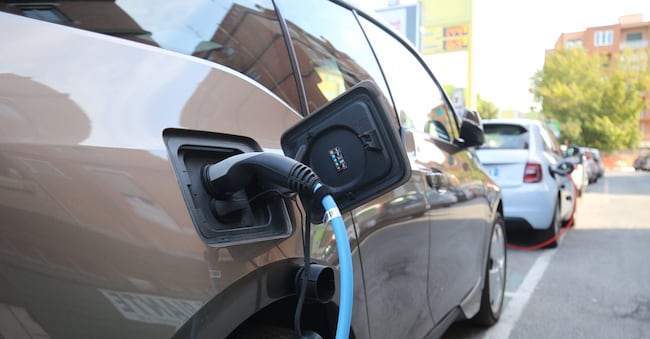
80 per cent of the costs for the purchase and installation of a domestic charging point, up to a maximum of €1,500 for individuals and €8,000 for blocks of flats: is the amount covered by the Charging Point Bonus, set to launch on Tuesday 22 September at 12 noon on the Invitalia platform, the organisation managing the scheme on behalf of the Ministry of Enterprise and Made in Italy.
Resources in the field
The funding, set by a ministerial decree, totals 68 million euros up to 2030: 10 million are carry-over funds from 2025, 5 million are allocated for 2026, €15 million for each of the years 2027–2029 and €8 million for 2030, the final year of the scheme, which will end on 31 March.
“Today we are taking another step forward in implementing the programme for the sector’s industrial and ecological transition,” said Minister Adolfo Urso, pointing out that 54 per cent of the new-generation charging infrastructure installed in Italia is manufactured in the country.
Infrastructure
The infrastructure must be brand new and installed on land over which the beneficiary has full control: for individuals, for exclusively private use; for blocks of flats, for the collective use of the residents; in both cases, the premises must not be accessible to the public.
Expenses relating to electrical installations, strictly necessary building works, design, site supervision, testing and the commissioning of a new connection point (Pod) for connection to the grid are also eligible for the grant. Excluded are taxes and duties, consultancy fees not provided for in the decree, expenditure on land and property, and fees for planning permission.

