
Booking: EU investigation into scams and sponsored adverts
The investigation centres on compliance with the Digital Services Act. The company says: “We are cooperating fully with the proceedings.”

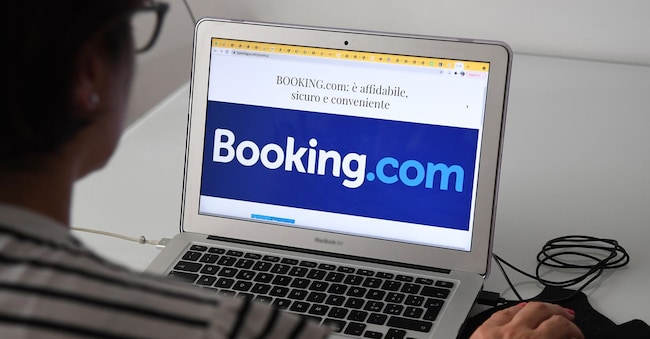
The EU Commission has launched formal proceedings against Booking to assess its compliance with the Digital Services Act (DSA), with particular regard to the handling of fraudulent adverts, phishing scams and the transparency of paid listings. “European citizens should be able to book their holidays without fear of being scammed. The DSA sets out clear responsibilities for platforms to address these risks, and we must ensure that Europe’s leading booking platform takes them seriously,” said Commission Vice-President Henna Virkkunen. The investigation launched by the Italian Competition Authority in April this year.
The key issues in the investigation
The investigation will focus on three aspects. Firstly, it will seek to ascertain whether the platform has adequately identified and assessed the risks associated with the publication of false adverts, such as those relating to non-existent properties; non-compliant accommodation listings, and cases of fraud involving identity theft. The Commission will also assess whether the platform has taken effective measures to mitigate these risks, including the removal of fraudulent and non-compliant listings.
The risk of phishing
Also under scrutiny are phishing scams and risks associated with the way in which guests’ and bookings’ data is shared with accommodation providers, as well as the design and operation of the platform’s messaging service. Brussels will also assess the adequacy of safeguards against the misuse of data to send fraudulent payment requests. The third area concerns sponsored listings. Accommodation providers can gain greater visibility in search results by paying higher fees. The Commission intends to verify whether such adverts are clearly recognisable as advertising and whether users can find out who is promoting them, who is paying for them and why they are being shown, and whether they have the option to change the settings that determine which adverts they see.
Violations of the DSA
If proven, the breaches would constitute infringements of Articles 34 and 35 of the DSA, which require large online platforms to identify, assess and mitigate systemic risks associated with their services, and ofArticle 26, which requires advertisements to be clearly identifiable and to provide information on who promotes and funds them. The investigation, which has been launched as a matter of the highest priority, will continue with the gathering of further evidence, including through requests for information, interviews and inspections. The Commission may also adopt interim measures, issue non-compliance decisions or accept commitments proposed by Booking to remedy the issues under investigation. The opening of the proceedings does not prejudge the final outcome.
The company’s response
For its part, Booking.com states that it ‘is cooperating fully with the European Commission and is engaging constructively in discussions on the issues raised under the Digital Services Act. Security, trust and the protection of personal data are top priorities for Booking.com. We reaffirm our commitment to working with relevant governments and regulatory authorities, law enforcement agencies and industry partners to combat cybercrime and online fraud and to protect travellers and partners’, reads a statement.

