
Boomers and Gen Z in the ‘age-less’ era are turning stereotypes on their head
Identity cards are increasingly failing to reflect lifestyles and behaviours: according to Hearts United-Doxa, 62 per cent of those aged 65 and over feel much younger, prompting brands to rethink consumer categories

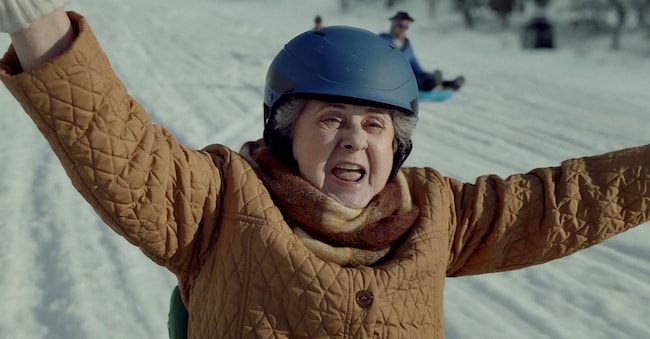
The phone rings. It’s the children wanting to know how their elderly parents are getting on. But they don’t answer because they’re busy with other things. After all, in this day and age, the over-70s are laughing, raising a glass, going out and partying. Far from being elderly people in need of care. This is the message behind the new campaign by Levande, one of Australia’s leading providers of residential care homes for the over-65s. It is a giant organisation with nearly 60 facilities catering for over 10,000 residents. The newly launched positioning overturns the traditional vocabulary for older people: not decline, care and slowing down, but freedom, independence, friendship and adventure. A strategy reported by the local press and shared on social media. As a result, the brand’s profile has soared. But beware, this isn’t just a publicity stunt: behind it lies a market that is becoming increasingly attractive even to big business.
The sector residential care home sector for the elderly in Australia alone is worth 5.33 billion dollars. Oxford Economics has also shone a spotlight on the phenomenon, pointing to ageing of the population and the wealth accumulated by older generations as the two key and closely interrelated dynamics.
From Australia to the United States: the setting changes, but the script remains the same. Danny Trejo is 82 years old, but clearly nobody has told him so. The Machete actor and familiar face on the big screen continues to ride his motorbike, lift weights and run his restaurants. In August, he became the face of ‘ko boomer’, the new campaign by Aspercreme, an American brand of products for muscle and joint pain from Sanofi Healthcare. The title playfully subverts the well-known expression ‘ok boomer’ to debunk the caricature of the slow, out-of-touch elderly person. The aim is to rewrite the narrative with people who continue to work, train and travel. Sixty years old and not feeling a day over it. In fact, not even wanting to talk about it as one might expect.
In England, the fledgling health insurance start-up Lateral has chosen the ‘ageless over 60s’ as the faces of its first national campaign. Posters in stations and on the streets across Britain are doing away with the stereotypical portrayal of older people as slow, grey-haired and bored. Instead, they feature dynamic and independent older people.
Segmentations banned
Old at thirty, young at seventy. The paradox of age is shaking up the consumer landscape and leaving brands confused in the marketplace. Because our ID cards say less and less about who we are and how we consume. 62 per cent of those aged over 65 feel younger than their actual age, whilst as early as the age of thirty, there is a growing awareness of the passing of time. 31 per cent of Italians favour brands capable of evolving in line with the needs of different stages of life, 29 per cent favour those in tune with the way we live today, and 22 per cent favour those that know how to innovate without overcomplicating things. This is confirmed by research from Hearts United, a new global media agency formed from the merger of the two networks Hearts & Science and Mediahub – part of Omnicom Media – and carried out by Doxa on a representative sample of 2,000 Italians.

