
Borghi d'Italia in pole position in 2026 in tourist attractiveness
According to Demoskopika, more than 21.3 million arrivals (+5.3% compared to 2025), 79.9 million presences (+6.9%) are expected in 2026 with an estimated tourist expenditure of 16.2 billion euros

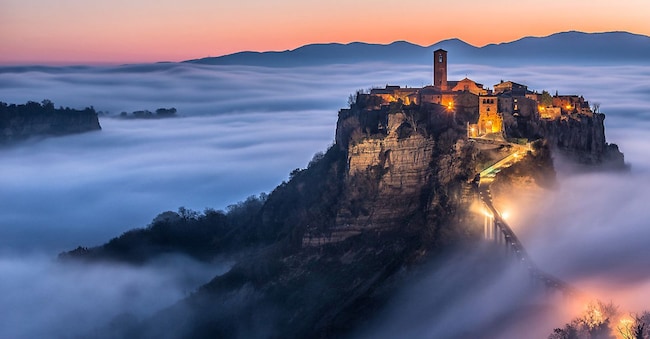
What do Carlino, Sirolo, Limone sul Garda, Gradara, Ponza, Positano, Sperlonga, San Vito Lo Capo, Castel Del Monte, Tropea, Portofino, Bormio, Maratea, San Pellegrino Terme Amalfi have in common? These are just a few of the many centres with a tourist vocation that are also among the most popular internationally under 5,000 inhabitants. In total, there are over 2.6 thousand small Italian municipalities with these characteristics. These in 2026 could record a growth of +5.3% in arrivals and +6.9% in presences compared to 2025. Flows that, taken together, are comparable to those concentrated in just five large cities that symbolise overtourism: Verona, Venice, Florence, Rome and Naples. This is what emerges from the forecast analysis "Small municipalities in the Italian tourism system: scenario 2026" by Demoskopika, which has estimated the main tourism indicators - arrivals, presences and tourism expenditure - of Italian municipalities with a tourist vocation under 5 thousand inhabitants according to which in a scenario of strengthening policies to rebalance flows, these realities could welcome in 2026 more than 21.3 million arrivals (+5.3% compared to 2025) and about 79.9 million presences (+6.9%) with an average stay of 3.7 days.
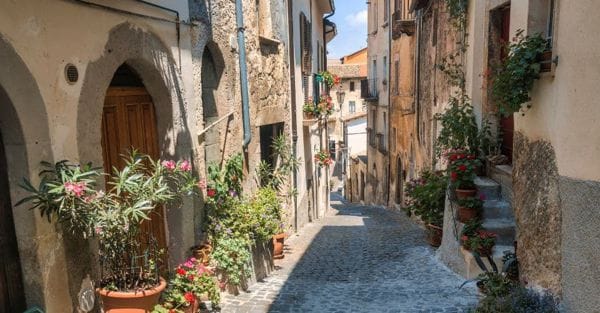
The Demoskopika analysis
In 2024, the more than 2,600 small Italian municipalities with a tourist vocation recorded 19.5 million arrivals and 71.4 million presences. A comparison that makes it clear how few large urban poles absorb volumes of tourist demand similar to those generated by a wide and diffuse territorial network, highlighting the strategic potential of small municipalities in the redistribution of flows and the reduction of pressures linked to overtourism.
Sustainable experiences, an attractive factor for foreigners
Moreover, tourism in tourist municipalities under 5,000 inhabitants accounts for about 14% of total arrivals and 15.3% of total presences in Italy. A far from marginal share, which places the 'undertourism area' as a structural and not residual phenomenon, capable of intercepting a demand oriented towards more sustainable, widespread and integrated experiences with local communities. And, again. In 2026 the dynamics of tourist flows in small municipalities would confirm the driving role of the foreign component over the domestic one. Foreign arrivals would rise to over 10.2 million, an increase of 8.0% compared to 2025, while presences would reach 40.3 million, an increase of 10.0%. More moderate, the dynamics of the Italian market: 11.2 million arrivals (+3.0% over 2025) and 39.6 million presences (+4.0%). A trend that consolidates the decisive contribution of international demand to the overall growth of undertourism.
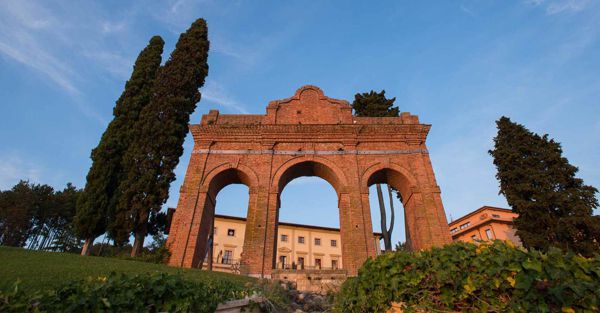
A tourist expenditure of 16.2 billion
In economic terms, the tourist expenditure generated by small municipalities could reach an estimated value of 16.2 billion euro in 2026, equal to 11% of the total national tourist expenditure and an increase of 10.1% compared to the previous year. The average expenditure per stay would be around EUR 760, signalling a growing capacity to intercept demand with greater added value and to retain a higher share of tourist wealth in the territory. Lastly, on the supply side, the more than 2.6 thousand small tourist municipalities in the Belpaese concentrate a total of 47,065 accommodation facilities, including hotels and non-hotels, and 1,175,750 beds, weighing 17.7% and 21.4% respectively of the total Italian accommodation system.

Municipalities under 5,000 inhabitants


