New private museums

Braga, the new geography of patronage

José Teixeira's project intertwines collecting, architecture and social responsibility, bringing the city into the global network of contemporary art

by Maria Adelaide Marchesoni

Le installation view

4' min read

Translated by AI
Versione italiana

4' min read

Translated by AI
Versione italiana

Braga, in the north of Portugal, is a layered web of history and faith. Nicknamed the 'Portuguese Rome' for its more than thirty churches and its former role as a bishopric, it is now one of the most culturally vibrant cities in the country, along with Porto, Lisbon and Guimarães.
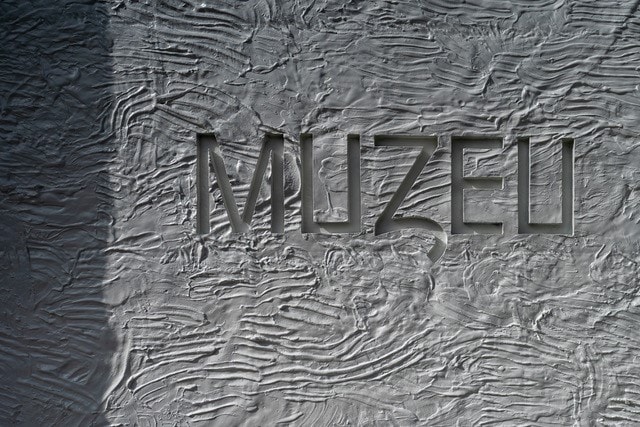
(Photo credit: ManuelRCosta)

A vitality that is further strengthened by the opening of MUZEO which, in this context, does not simply represent yet another cultural infrastructure but an attempt to translate economic capital into cultural capital, positioning the city - and its main industrial player - within the global geography of contemporary art.
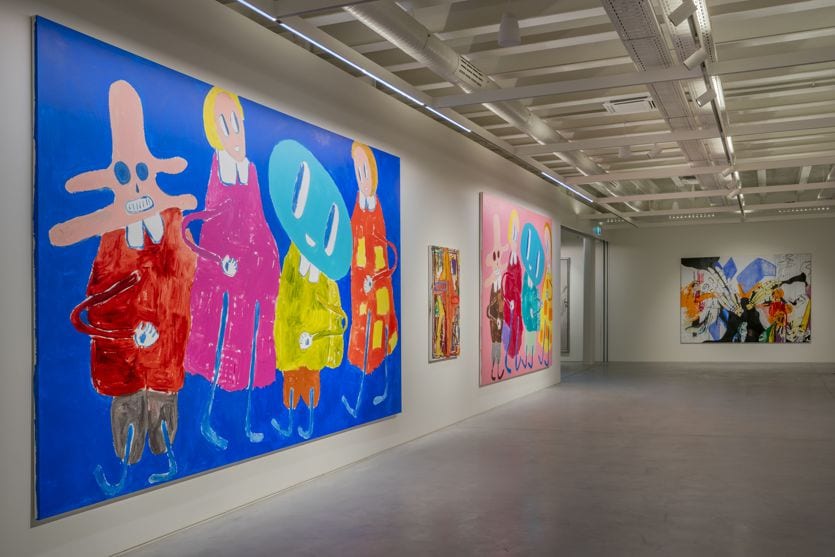
Loading...

Photo credit Hugo Delgado

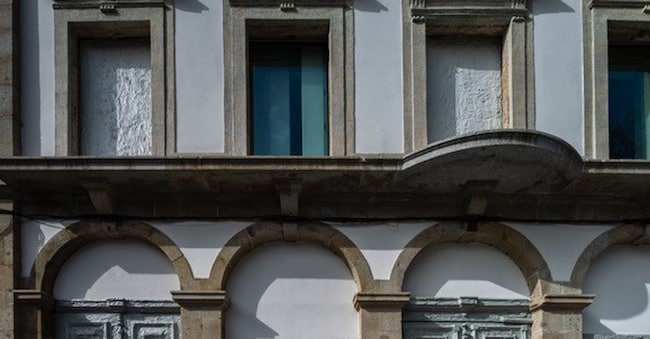
The project bears the signature of the Bracadorian architect José Carvalho Araújo, who has transformed the former Judicial Tribunal in the historic centre into a museum on several levels with a total area of approximately 3,000 square metres. The intervention also incorporated important archaeological elements, including a section of the medieval walls and a historical well, which required the intervention of experts in order not to damage the exhibits.
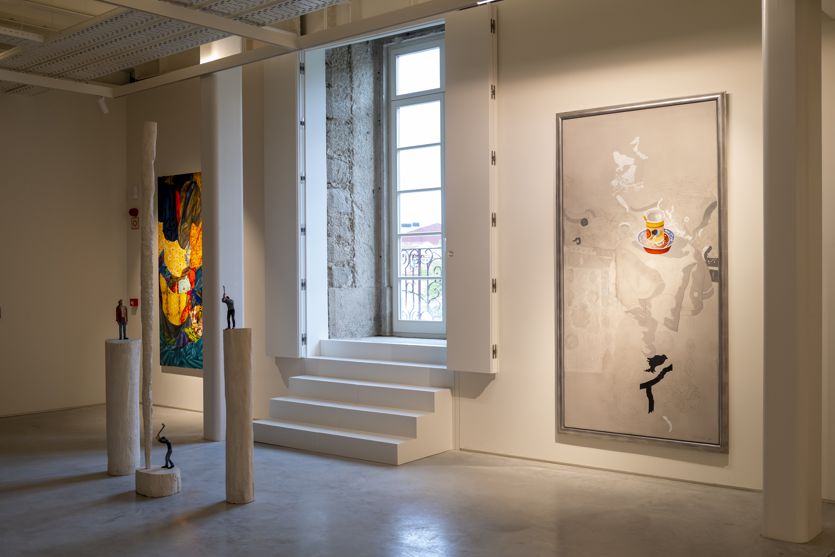
Photo credit Hugo Delgado

Leading this transformation is the entrepreneur and collector José Teixeira, a figure who embodies a contemporary form of patronage. With an investment of 40 million euros for the purchase and renovation of the building, he wanted to give the project a name that would make its political intent clear from the outset: 'Muzeu - Thought and Contemporary Art dst'. The museum draws on its private collection, built up over more than forty years, which now comprises more than 1,500 works by 240 Portuguese and international artists. A collection that privileges works characterised by a strong poetic, philosophical and political dimension, addressing themes such as memory, power, identity, work, resistance and freedom. Teixeira devotes around EUR 2.5 million to this passion every year, nurturing it through constant research work, including books, publications, galleries and art fairs all over the world.
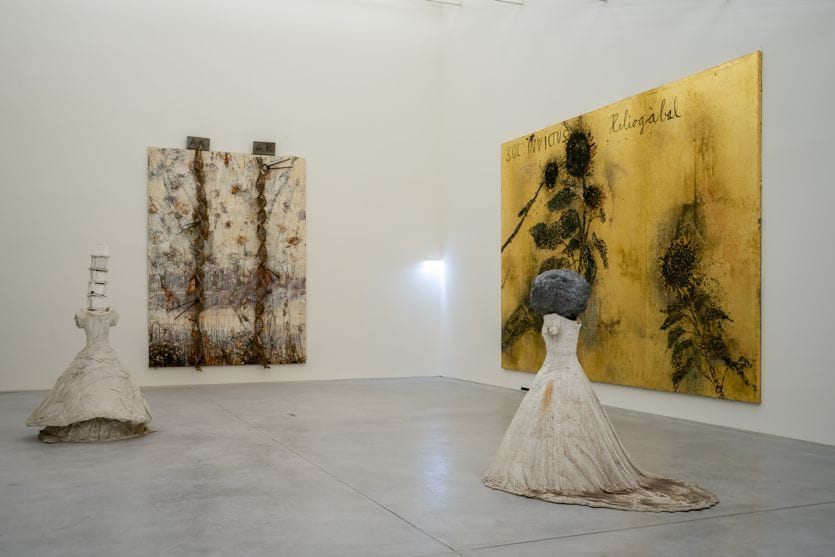
Photo credit Hugo Delgado

The inaugural project

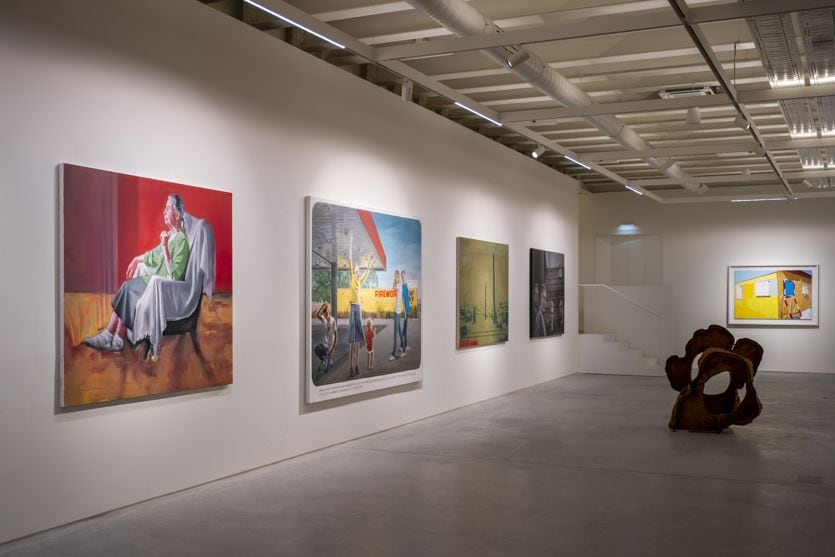
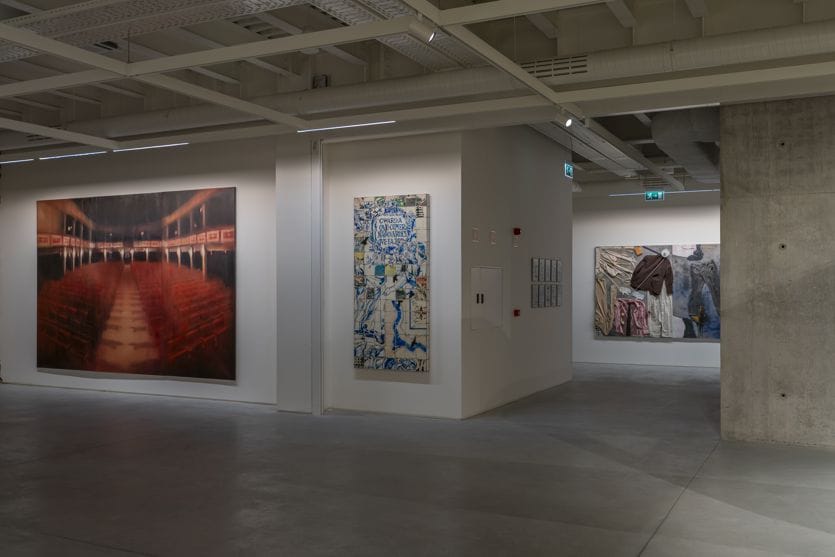
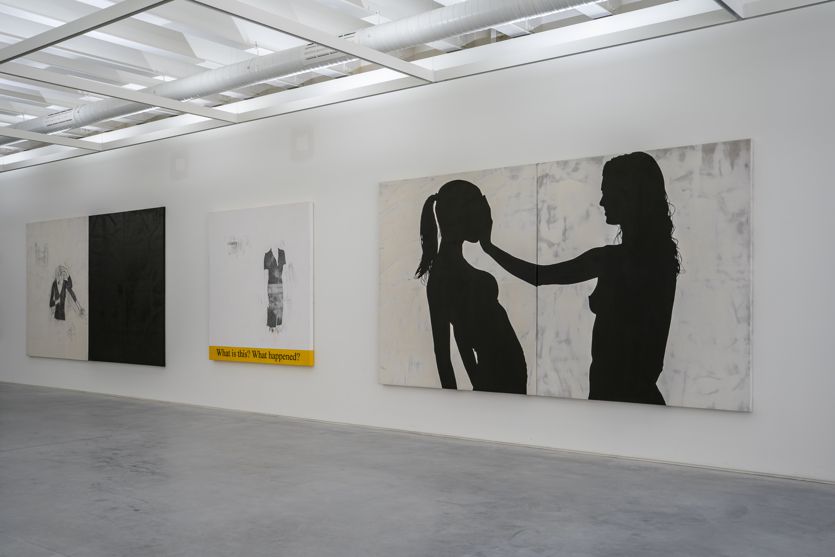
At the centre of the inaugural programme is the exhibition 'We are Realistic, We Demand the Impossible', open from 23 April 2026 to 23 October 2027 inherited its title from the lexicon of '68 and is a taste of the founder's ability to cross languages and geographies. Spread over four exhibition floors, it presents over one hundred works by ninety-six artists - forty Portuguese and fifty-six international - from the dstgroup contemporary art collection. Among the names in the exhibition are Alex Katz, Ângela Ferreira, Annie Leibovitz, Francesco Clemente, Franz West, Nan Goldin and Julian Opie, alongside numerous Portuguese artists.
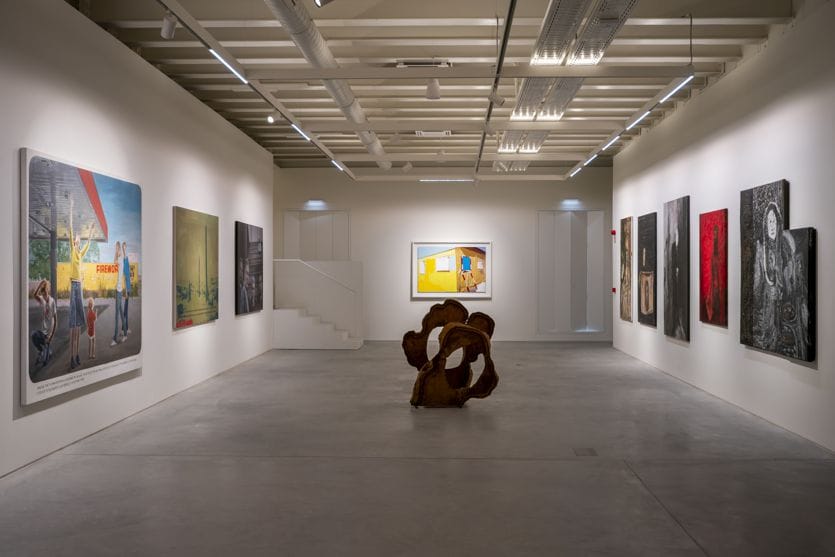
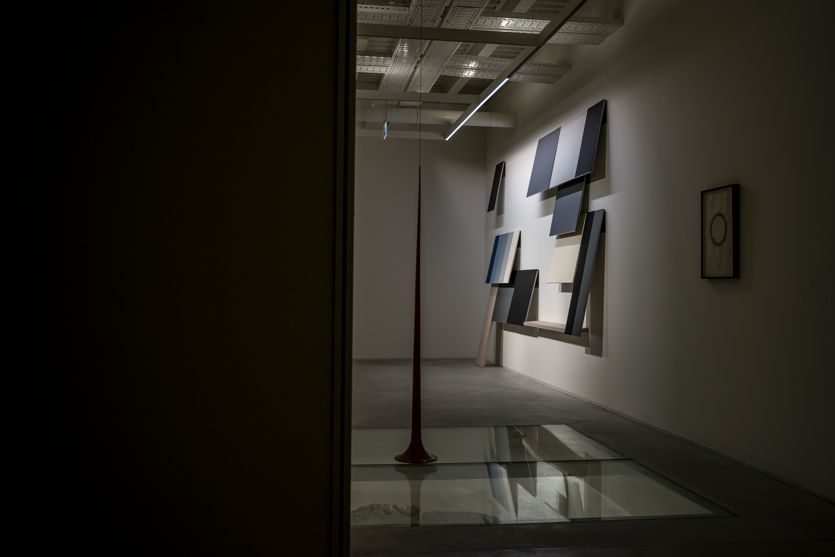
Photo credit Hugo Delgado

Helena Mendes Pereira, director of the museum, defines the project as "more than just an art container: a forum for cultural, philosophical and political debate". The Abrir Abril programme, the first cycle of activities (from 23 April to 31 October 2026), which celebrates the anniversary of the Carnation Revolution by reflecting on the revolution as a moment of rupture and collective transformation, is part of this direction.

The method of opening was also significant: on 24 April, the museum only welcomed DST workers; on 25 April, Freedom Day, it opened to the public with free admission for the first week. On 1 May, Workers' Day, it will instead remain closed. A symbolic choice that emphasises the link between the cultural institution and the production community. This approach makes the opening less like the debut of a traditional museum and more like a statement on who has the right to access culture. In an international context in which ESG policies seem to be losing their centrality, it is surprising that the DST group pays attention to its workers who, on the occasion of their birthdays, receive a gift of a book to promote reading, a further attention that completes the operating model.

Photo credit Hugo Delgado

Business Culture and Symbolic Governance

MUZEO is not an isolated episode, but the most visible node of a broader strategy of the DST group, a conglomerate active in construction, infrastructure, telecommunications and energy with approximately 4,000 employees, a turnover of 750 million euros, 25% of which is generated abroad, particularly in France, the United Kingdom, the Netherlands and Angola, the company has progressively integrated culture within its operating model: awards, biennials, educational programmes, up to the widespread dissemination of works in work spaces.

Photo credit Hugo Delgado

In this ecosystem, in parallel with economic growth, art is not simply a decorative element, but a symbolic governance device. Employees trained as guides, works installed in production environments, in-house cultural programmes: everything contributes to building a reality in which work and culture are no longer separate dimensions. In short, cultural capital becomes an integral part of corporate capital. The museum, in the words of the director, is not designed to separate itself from the workforce, but to be shared first and foremost with it.

Photo credit Hugo Delgado

The campus as a device

In the Pitancinhos Industrial Park in Braga, the DST campus makes this integration visible. In the offices and factories - some designed by the Pritzker Prize winners Álvaro Siza Vieira and Eduardo Souto de Moura - one encounters works by artists such as ngela Ferreira, Pedro Cabrita Reis, José Pedro Croft and Vhils. Also being developed on the campus is the Living Lab, a micro-city designed by Norman Foster. The approximately thirty works installed in the public space are added to the more than eight hundred in the interior, scattered along the pathways of everyday working life, transforming the production areas into a diffuse gallery.

Brand connect

Loading...

Newsletter

Notizie e approfondimenti sugli avvenimenti politici, economici e finanziari.

Iscriviti