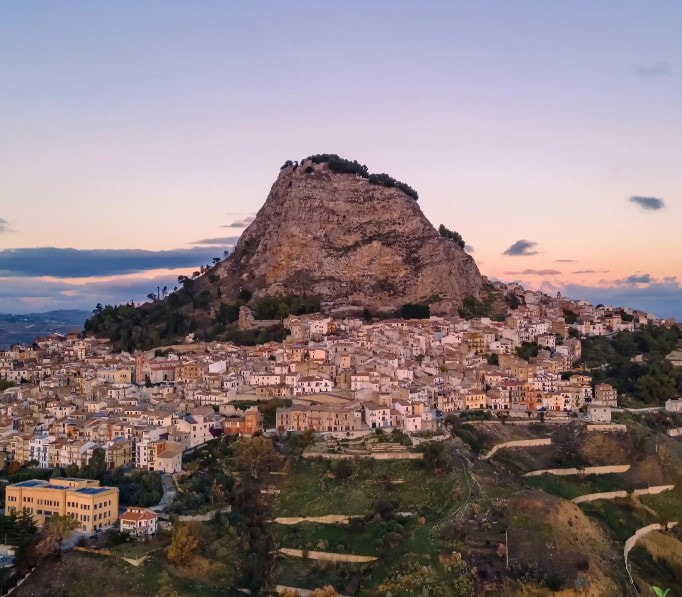
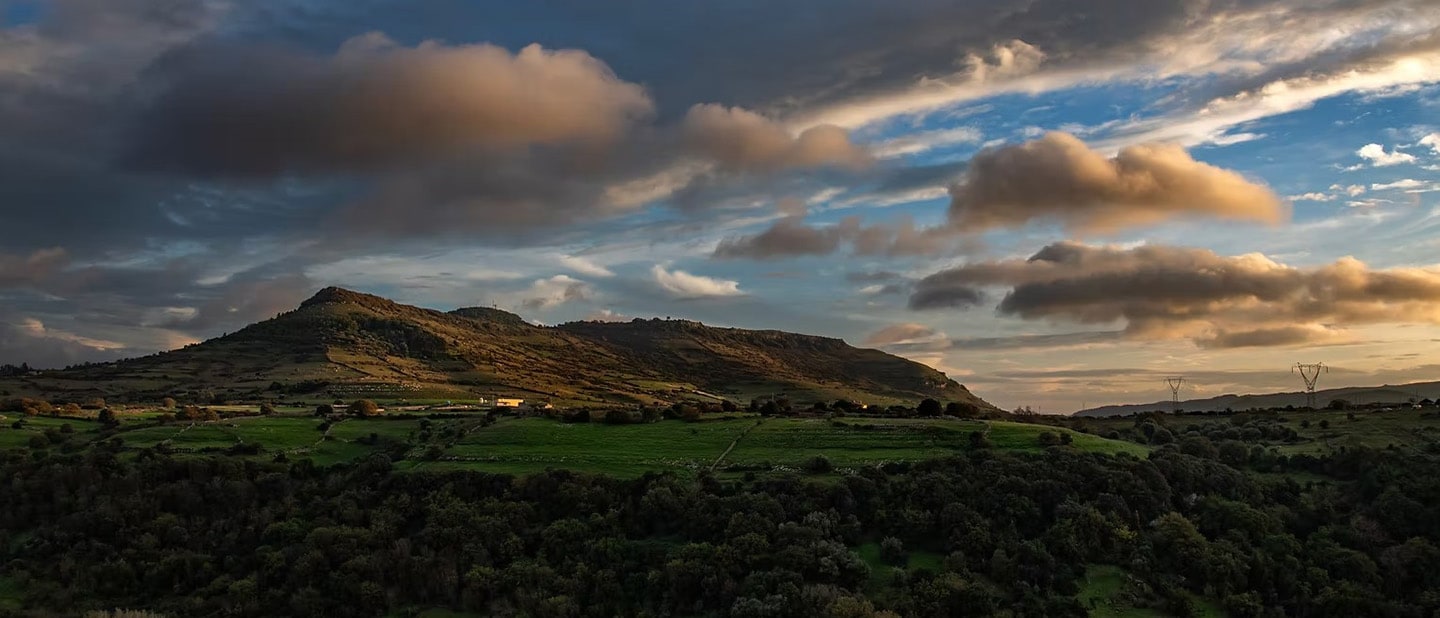
Breathtaking landscapes, silent forests and villages: this is the Italia of the Caminos

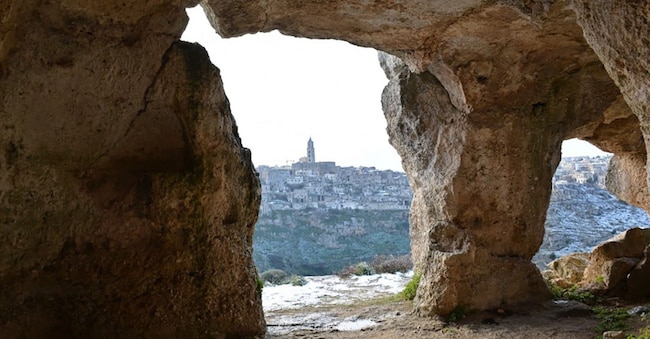
There is an Italia that cannot be seen from car windows or high-speed trains. It is an Italia made up of paths that connect millenary abbeys, silent forests and villages where time seems to stand still. From the peaks of the Biella Alps to the Valley of the Temples, 'gentle tourism' redraws the map of the Bel Paese in ten routes that celebrate silence, roots and unexpected beauty, designed for those seeking a holiday capable of nourishing not only the body but also the spirit, amidst breathtaking landscapes and traditions that resist the wear and tear of modernity.
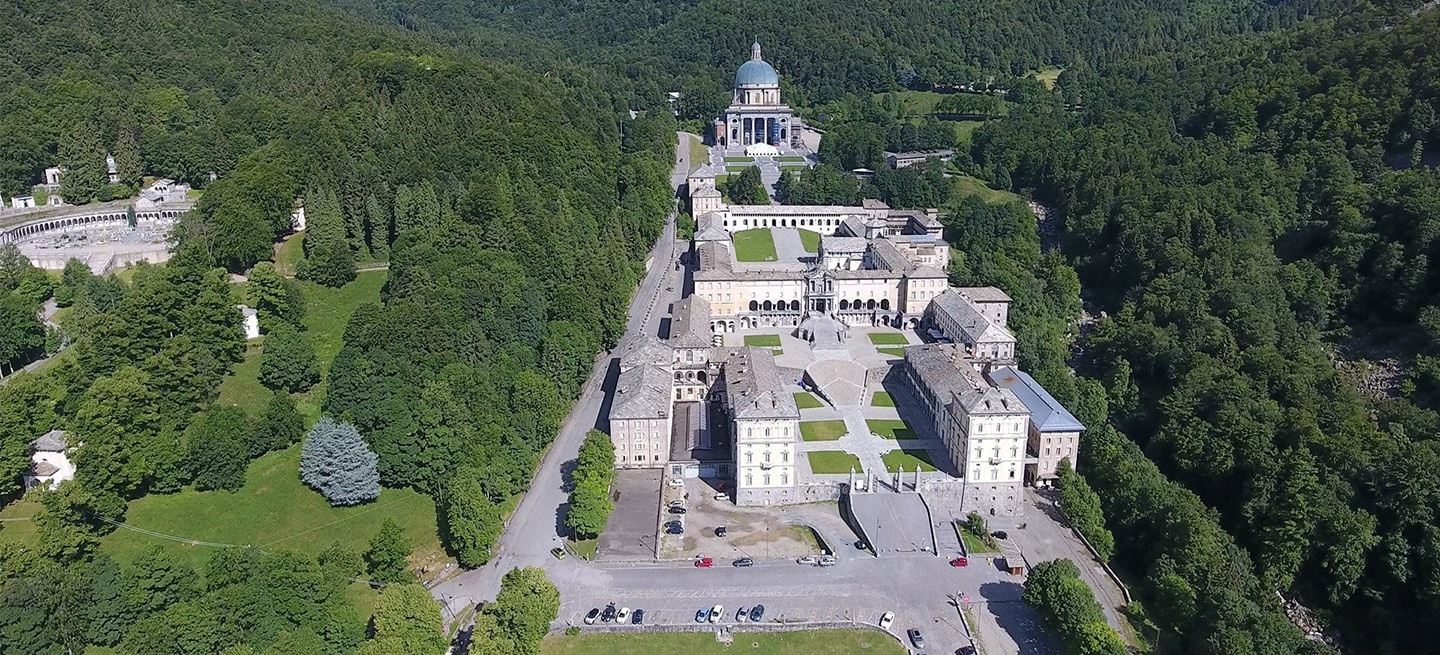
The Oropa Trail, the perfect initiation into walking
The Cammino di Oropa is one of the most popular routes, especially for those who wish to approach the experience of travelling in stages for the first time without sacrificing comfort. Located in the heart of the Biellese area, only an hour away from Milan, this route of about 64 kilometres winds through a surprisingly varied landscape that from the agricultural plain of Santhià gradually rises towards the natural amphitheatre of the Serra Morenica, the largest moraine hill in Europe. The route is ideally divided into four days of walking, with stages varying between 14 and 16 kilometres, passing through ancient beech and chestnut woods, fortified villages and boundless meadows offering spectacular views of Lake Viverone and the Po Valley. The final destination is the imposing Sanctuary of Oropa, located at an altitude of 1,200 metres, one of the most important Marian places of worship in the world, where the dome is visible from most of Piedmont. Here, amidst high-altitude botanical gardens, panoramic cable cars leading to the foot of Monte Mucrone and rock walls engraved with votive offerings to the Black Madonna, the walker finds a goal of rare beauty.
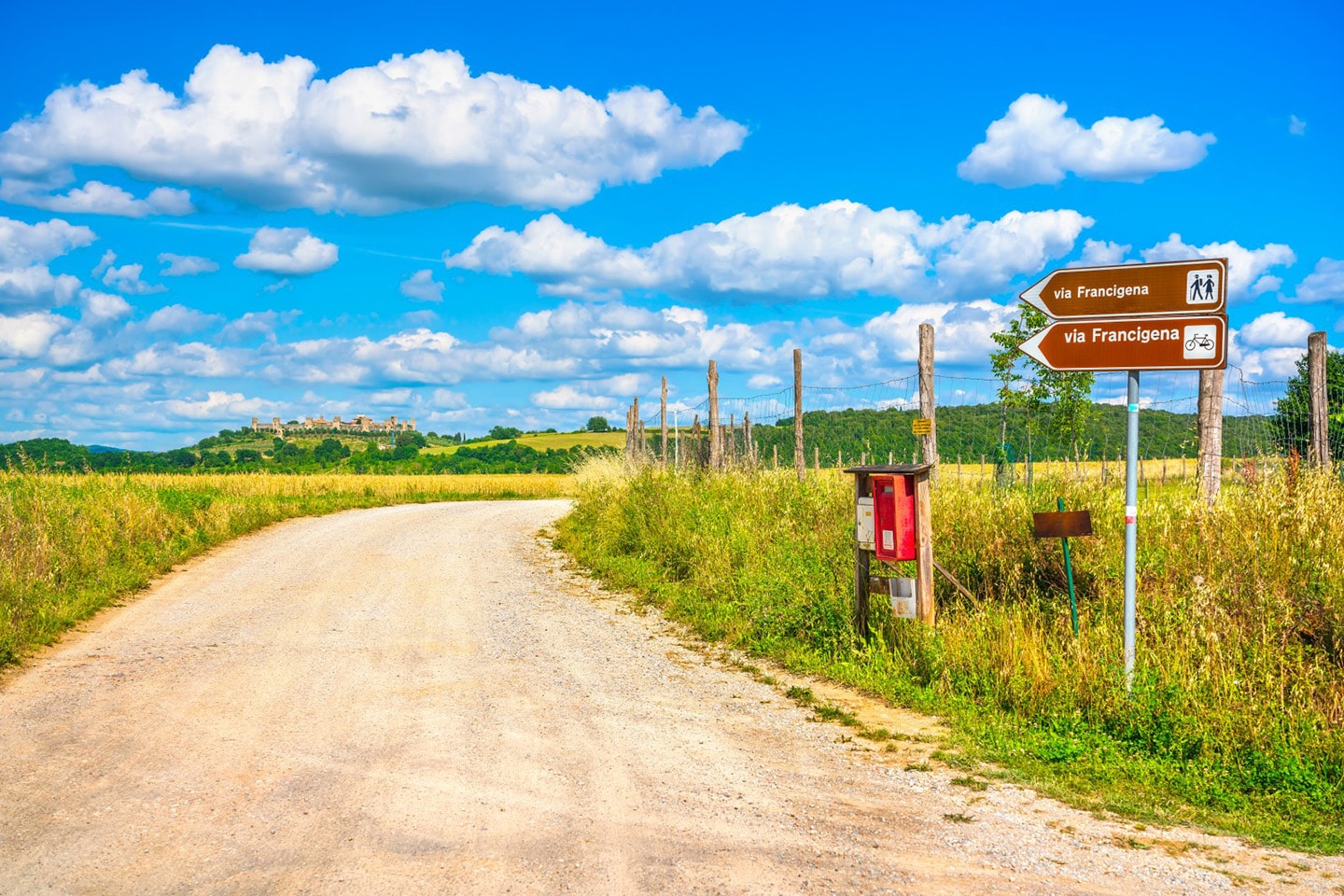
The Via Francigena: the millennial artery uniting Europe
The Via Francigena is the path par excellence, a historic route that for centuries led pilgrims and merchants from the heart of Europe to the Eternal City and then down to the ports of Puglia for embarkation to the Holy Land. In 2025 the official candidacy dossier was sent to Paris, with the Region of Tuscany as leader in collaboration with the European Association of Vie Francigene. The route aims at recognition as a Unesco transnational cultural heritage. The itinerary of the Francigena of the North covers about 1,000 kilometres from the Great St. Bernard Alpine pass to Rome, crossing seven different regions and offering an unparalleled variety of landscapes: from the snow-capped peaks of the Valle d'Aosta down through the vineyards of Piedmont, across the rice fields of Lombardy and the hills of Emilia, before crossing the Apennines and plunging into the iconic splendour of the Crete Senesi and the Roman roads of Lazio. The itinerary can be done in stages, each one a plunge into the cultural, historical and artistic richness of the Bel Paese, a journey through Italy's extraordinary food and wine heritage, and customised to suit your needs.
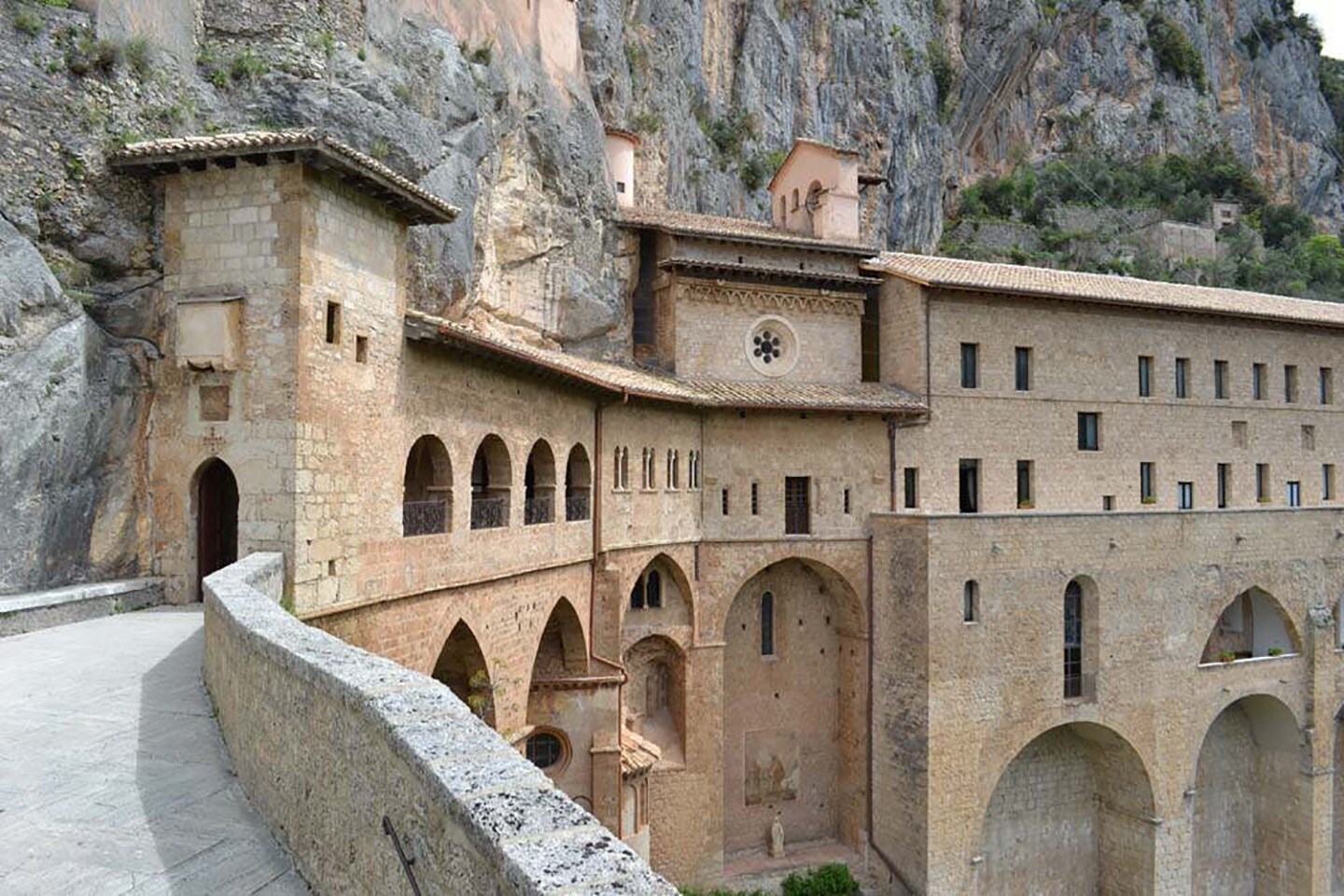
The Way of St. Benedict between mysticism and nature in the heart of the Apennines
Over 300 kilometres long, the Way of St Benedict plunges into the greenest and deepest Italy, connecting the three places that more than any other tell the human and spiritual parable of St Benedict of Norcia. The itinerary starts in Norcia, the saint's hometown, protected by the majestic and wild Sibillini Mountains, and then winds through medieval villages, lush valleys and silent forests until it reaches Subiaco, where it is possible to visit the Sacred Grotto and the monasteries set in the rock where Benedict founded his first communities. The itinerary then continues to the final destination, the Abbey of Montecassino, a symbolic place where the 'Rule' was written and from which one can enjoy panoramic views encompassing the entire valley below. It is an experience pervaded by a magnetic and meditative energy, a journey into the most authentic nature where the walker also crosses the tracks of Saint Rita of Cascia and Saint Francis of Assisi, making the route a true compendium of Franciscan and Benedictine spirituality. The accommodations are designed for those seeking genuine contact with the territory, amidst small family structures and abbeys, where the slow pace of the walk allows one to rediscover inner balance amidst gentle hills and ancient stone villages.
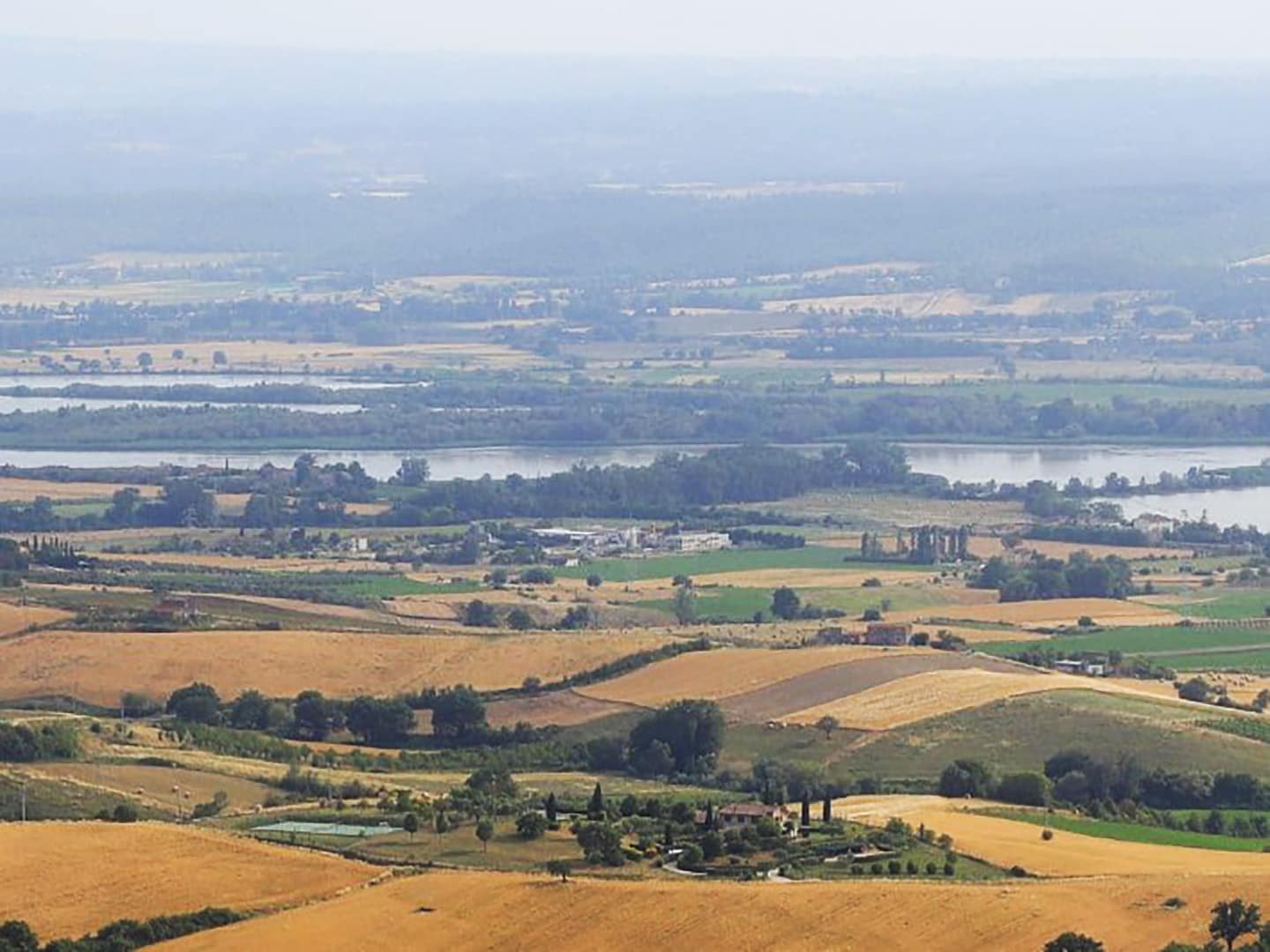
The Walk of the Silent Villages in the Peace of the Amerini Mountains
Created as a project for the enhancement of the territory, this 90-kilometre-long ring-route develops in Umbria, surrounding the Amerini Mountains in a corner of the region where silence is not only the absence of noise, but a precious and regenerating travelling companion. The Cammino dei Borghi Silenti begins and ends in the small village of Tenaglie and takes about seven days of walking through chestnut forests, ancient sheep-tracks and mule-tracks leading to medieval villages that have remained miraculously intact, such as Melezzole, Morre, Baschi and Civitella del Lago, the latter famous for its spectacular view of Lake Corbara. Along the way, it is possible to make an extended stop in Orvieto, one of the most fascinating hilltop towns in Italia, to admire its Gothic cathedral and mysterious Etruscan roots, before returning to immerse oneself in the quiet of the woods. This is a low environmental impact itinerary that actively supports small local communities, offering overnight stays in well-kept family-run establishments where Umbrian cuisine, based on the highest quality olive oil, black truffles and handmade pasta, completes a total sensory experience.