
Brexit: the UK and the EU reach a (partial) agreement on trade and the mobility of young people
The negotiations failed to resolve the issue of university tuition fees, confirming just how complicated the process of reconciliation between London and Brussels is
from our correspondent Beda Romano
 Aggiungi Il Sole 24 Ore
ai preferiti su Google
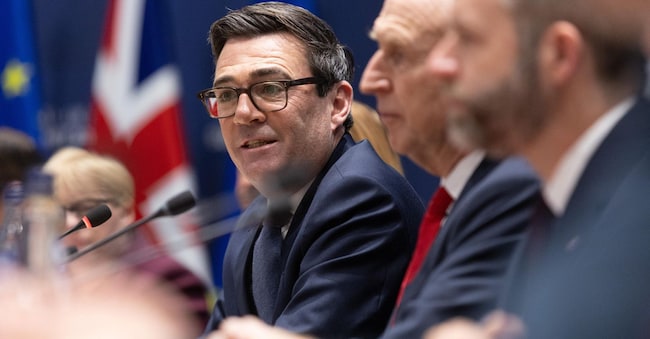
BRUSSELS – The agreement signed today, Friday 20 November, by the European Union and the British Government is only a partial one, ten years on from the referendum that led to the United Kingdom’s exit from the EU. The parties have reached an agreement on aspects relating to trade in agricultural products and the functioning of the EU Emissions Trading Scheme (ETS), but have hit a deadlock over the issue of university tuition fees. Until this issue is resolved, it will effectively prevent the implementation of the other two agreements.
“The European Union and the United Kingdom are very close allies, reliable partners and natural allies, bound by deep historical ties and shared values,” explained António Costa, President of the European Council, at a press conference here in Brussels. “In an increasingly complex world, we have both a responsibility and a duty to work together.” European Commission President Ursula von der Leyen spoke of a “turning point” in bilateral relations.
British Prime Minister Andy Burnham, meanwhile, explained that after ‘ten years of drift’, the rapprochement announced today will give new impetus to the British economy, bringing down the prices of food and energy. The UK Treasury, he pointed out, estimates that the boost to growth will amount to 0.5 per cent of gross domestic product. The Prime Minister added that a majority in the UK wants to reverse the decisions taken regarding Brexit: “Today is a good day for Britain and for Europe.”
On closer inspection, however, the agreement is only partial. London and Brussels have reached an agreement to facilitate trade in agricultural products by relaxing certain phytosanitary rules. At the same time, the parties have also agreed on the UK’s participation in the ETS market, as well as in the European electricity market. “Both London and Brussels are aiming for climate neutrality” by 2050, a European official explained at a press briefing.
Although they concerned specific issues, the negotiations were protracted, demonstrating just how difficult it is for the United Kingdom to rebuild closer ties with the European Union following Brexit. In particular, the parties were unable to reach an agreement on university tuition fees. London has proposed halving the fees currently charged to EU students. Brussels is calling for these students to be charged the same fees as British citizens. The parties have given themselves six months to resolve the issue.


