
British museums restructure to survive
The trajectory taken by large institutions seems to indicate a paradigm shift in the museum system: less staff, more sustainability and young audiences

3' min read
3' min read
Leading British museum institutions earlier this year embarked on a 'rationalisation' of staff which should not only be read as an immediate response to the post-pandemic crisis, but could be interpreted as part of a long-term strategy towards a new museum model. The aim is to build an increasingly sustainable economic model, capable of continuing to generate its own resources and to appeal to a younger public, expanding opportunities for engagement and future growth. A path that, despite difficulties and resistance, could shape the future of museum culture also on an international scale. Tate, Science Museum Group and Royal Academy are among the major British cultural institutions that have implemented staff reduction plans to cope with the financial difficulties following the pandemic.
The Tate case
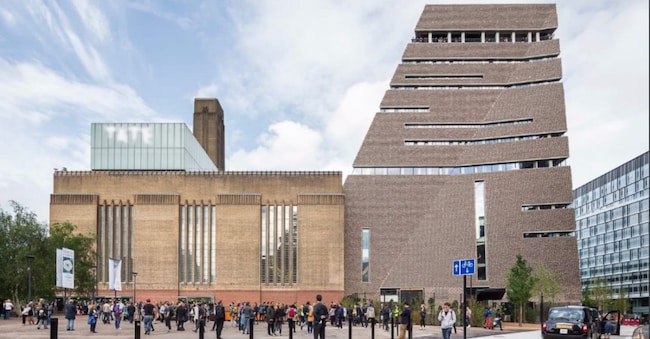
.The Tate, on its 25th anniversary, started - as of last March - to reduce personnel costs by 7%, specifying that this 'rationalisation' was achieved mainly through voluntary measures, such as not replacing vacant positions and accepting voluntary resignations. Translated into numbers, these cuts would have meant the elimination of around 40 positions. The need to face the future with a more restrained cost structure can be seen in the financial economic forecasts of future budgets from the 2023-24 administration in which the Tate has continued to experience a reduction in visitor numbers compared to pre-pandemic levels, particularly international visitors, due to the rising cost of living. Total visitor numbers increased from 5.99 million in 2022-23 to 6.36 million in 2023-24, taking into account the closure of Tate Liverpool and the opening of temporary space at the RIBA from October 2023. Thanks to the success of exhibitions onHilma af Klimt, Piet Mondrian and Philip Guston, the Tate Modern has seen a recovery from the Coronavirus pandemic, reaching an audience of 82% of the pre-Covid average. The success of Tate Britain's programme and the reorganisation of the exhibition collection increased audiences from 62 per cent of the pre-Covid average to 79 per cent. Visits to St Ives have been consistently around 90 per cent pre-Covid and this trend has continued this year, demonstrating the enduring appeal of this gallery.
All this alarm about future prospects is not immediately apparent in the budgetary results of the 2023-24 management, which saw an improvement in admissions and fundraising income, as well as the maintenance of £15.2 million in membership revenue. In addition, the 2023-24 management was helped by an exceptional refund of rates paid from 2017-18 to 2022-23, amounting to £6.2m for three museum properties.
But looking to the future the financial year, which ended last March (management 2024-25 but figures are not yet available), the budget assumptions showed a deficit despite the use of unrestricted general reserves generated in 2021-22 and 2022-23. For this reason, a programme was initiated based on the visitor analysis to 'define guidelines for the period 2024-2030, summarised in a five-year plan called Tate Future: 2030'. Over the years, as the budget report states, much has been done to improve the revenue streams that will ensure long-term sustainability: exhibition performance, memberships, and the creation of long-term resources for the future.
An important point in this project is membership. There are currently around 145,000, and the launch of the youth programme, Tate Collective, launched in April 2023 has allowed it to grow from 2,000 to over 180,000 members attracted by the benefit of £5 tickets, discounts in shops and bars, exclusive events and more. The appeal of these offers continued during the Coronavirus pandemic and endured during the subsequent weakening of the economy.
The Science Museum Group case
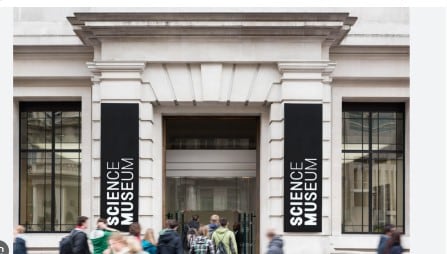
.The Science Museum Group (SMG) has also reduced its workforce and around 20 employees will leave the organisation at the end of a change programme that has included team planning and vacancy management. The staff reduction was necessary to address budgetary constraints in a difficult financial environment, which has resulted in a reduction in the staff budget of around £3m over the past 18 months.

The case of the Royal Academy of Arts (RA)
.The same fate befell the Royal Academy which could face a staff reduction of up to 60 jobs with management admitting that it faces a 'serious financial challenge' after visitor numbers failed to return to pre-pandemic levels. This is mainly due to the significant drop in visitor numbers since the start of the pandemic, which has impacted on the institution's revenue. Although the Board of the Royal Academy has approved the staff reduction plan, no final decision has yet been made. The situation led some staff members to vote a motion of no confidence in the RA management.

