
Brussels accelerates on defence and innovation
Peresented a legislative proposal that will allow up to 115 million euros to be used in 2027 to fund military innovation, signed an agreement with Norway and Iceland that will allow the two countries to connect to the European Union's secure satellite connection
from our correspondent Beda Romano
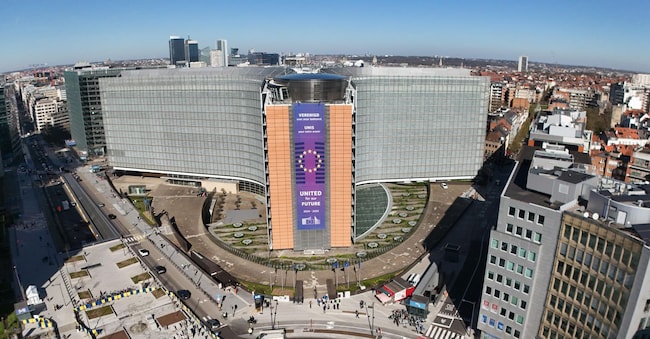
BRUSSELS - The European Commission's growing role in defence and security is confirmed. Today, the EU executive signed an agreement with Norway and Iceland, allowing the two non-EU countries to connect to the EU's secure satellite connection. Previously, it had presented a legislative proposal that will allow up to EUR 115 million to be used in 2027 to finance innovation in the military field.
The new European satellite connection, known by the acronym GOVSATCOM and operational since January, provides member countries with secure communications for public and military use in crisis management, emergencies and operations in remote regions where traditional infrastructure is limited. By joining the European network, Norway and Iceland will have access to high-level encrypted communication services. It is worth mentioning that the European Union is meanwhile developing a constellation of 290 satellites reserved for government communications (the IRIS²).
Also this week, the Commission unveiled a new programme, known by the acronym AGILE, with which to fund between 20 and 30 defence projects. The programme will comprise two main activities: the development of innovative products, as well as the marketing of these same products on the market. AGILE will aim to disburse the money within four months of the submission of projects. The recipients of the money will tend to be small and medium-sized enterprises as well as start-ups.
Defence Commissioner Andrius Kubilius explained on Wednesday: "Today, around 70-80% of defence procurement in the EU countries (especially those with high defence spending) is mainly destined for the top ten contractors (which tend to be large companies). This is in stark contrast to the situation in the United States, where less than 40 per cent of procurement goes to the top ten players in the industry'.
Eric Maurice, an analyst at the European Policy Centre here in Brussels, comments: 'The European Union is becoming a security provider, and in some ways the Commission itself is changing into a military actor. By now, the EU executive finances innovative projects in the military field; it grants loans for the rearmament of member countries through the SAFE plans; it coordinates the production of munitions with the ASAP programme; and it multiplies security agreements with third countries - the most recent being the one with Australia'.


