
Tax Omnibus: Brussels takes a fresh approach to simplification for businesses
The European Commission has presented two packages on corporate taxation and energy labelling of products. The aim is to make life easier for businesses
from our correspondent Beda Romano
 Aggiungi Il Sole 24 Ore
ai preferiti su Google
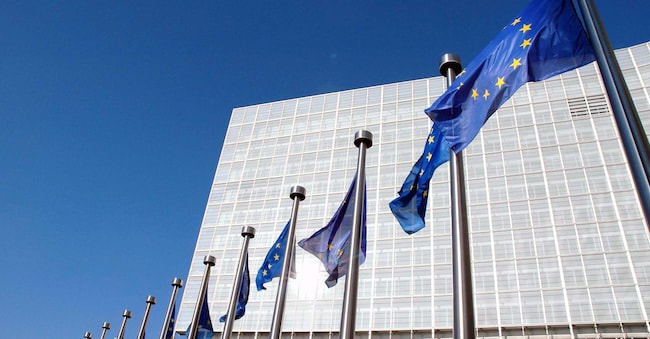
BRUSSELS – The European Commission presented two regulatory simplification packages yesterday, in line with the commitment made in 2025. The first relates to corporate taxation. The second concerns energy labelling of products. In both cases, the EU Commission’s aim is to make life easier for businesses, helping to reduce administrative burdens and, ultimately, to revitalise the European economy. Both packages will now be negotiated by the Council and the Parliament.
“Over the years, the European regulatory framework for direct taxation has enabled concrete progress to be made,” explained Valdis Dombrovskis, Commissioner for the Economy, at a press conference. “However, some rules are now obsolete. Others overlap with more recent legislation. And many have been implemented differently across Member States. Our proposals directly address all three of these issues. The tax package amends six directives on corporation tax.”
Corporate taxation
Specifically, amongst other things, Brussels is proposing to exempt all cross-border payments between companies relating to dividends, interest and royalties: ‘By removing preliminary procedural requirements and simplifying refund procedures, the measure will facilitate access to finance, encourage investment and strengthen competitiveness’. The package of measures will enable businesses to save 8 billion a year, of which 3.3 billion is in administrative costs.
Labelling of energy products
On the second front – labelling – the European Commission is proposing greater flexibility regarding the way in which labels are presented. They will no longer necessarily have to be on paper, but may be made available to the purchaser in digital form. The issue may seem trivial, but in reality many businesses have complained about the costs of printing labels and instruction manuals.
The European Commission also wants to simplify the process of updating labels when the energy rating of products has changed. Finally, tyres are a case in themselves. The requirement to display technical specifications on a separate label when a new car is on sale will be abolished. At the same time, Brussels is proposing to simplify the process of updating tyre labels.


