
Builder's regulations may restrict the condominium
Not all clauses are lawful, however, from no to animals. The builder cannot impose the administrator and decide on the duration

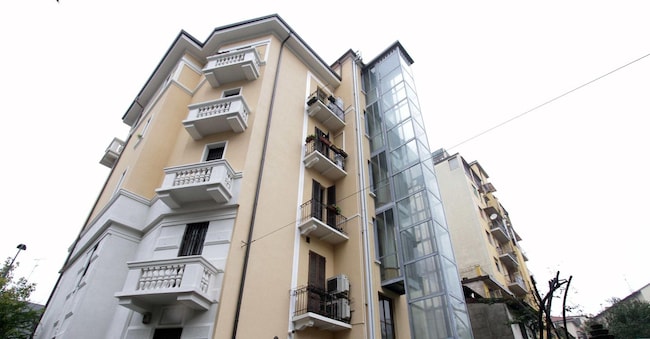
It is the practice of construction companies to "impose" a condominium regulation at the same time as the sales of the individual building units that make up the newly completed building: a useful operation to avoid putting to a condominium assembly the drafting of a long and complex text, which often results in the drafting of illegal clauses, which may therefore give rise to a dispute as to their validity. The National Council of Notaries provides an in-depth review in Study 37-2025C.
Reservation of appointment
It is unlawful to reserve to the builder the power to appoint administrator and to fix the duration for the reason that the condominium assembly cannot be deprived of the power of appointment and revocation: this can be deduced from the rule in Article 1138, paragraph 4 of the Civil Code, which expressly refers to the non-derogation of Article 1129 on the appointment of the administrator and the quorums for his election, set forth in Article 1136. The private reservation affects the powers and duration fixed by law and therefore cannot be included in the contractual regulation.
Pet ban
It is a null and void clause because Article 1138, paragraph 5 of the Civil Code lays down a 'prohibition to prohibit' that must be considered to extend also to the "protection of animals" as this is a value that is safeguarded in the new Article 9, paragraph 3 of the Constitution and cannot be derogated from even in condominium regulations of a contractual nature.
Also unlawful is the preclusion of the presence of animals (even if permitted in flats) in the common areas of the building (lift, stairs, hallway) by reason of the instrumentality between the common areas and the exclusive properties: it is logically incongruous to subject the accessory property to a prohibition that the law excludes for the principal property (the flat). This is subject to the limit of the equal right of others to health and safety precautions.
Rooms and B&B
The clause prohibiting the activities of rooming houses, B&b and the like is admissible if drafted strictly. It is necessary: to expressly indicate the prohibited activities, to clarify the objective and subjective scope of the prohibition, also with respect to the use of the common parts, to justify the impact on the load of the structures and on the peace of the community, and to provide for control instruments and proportionate sanctions. Generic formulas on decency or quietness are not sufficient. The clause is enforceable against successors in title if it is included in regulations of a contractual nature and, prudentially, referred to in individual deeds. Ordinary residential leases consistent with the intended use remain unaffected.

