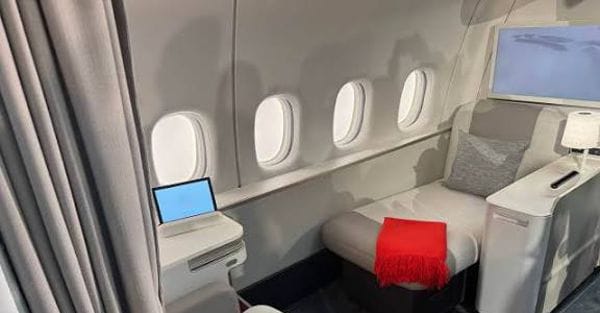
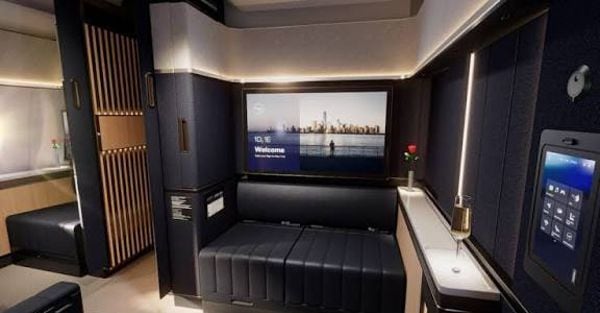
Business and First Class: luxury soars to new heights – premium cabins are reshaping the balance sheets
Passengers who are willing to pay more for comfort, privacy and exclusive services are becoming increasingly important in the strategies of the major continental airlines.

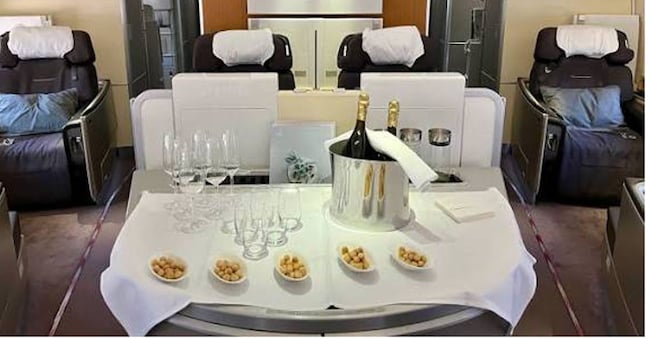
Key points
The real driver of European airlines’ profitability is increasingly concentrated at the front of the aircraft. Business Class and First Class, together with Premium Economy, are becoming a key component of the commercial strategies of the major European airlines. This trend has been further confirmed by the results for the third quarter of 2026, published in the first two weeks of November.
Demand for high-end travel continues to prove resilient, even against a backdrop of rising fuel costs, geopolitical tensions and operational challenges. Airlines are seeking to offset cost pressures through more sophisticated revenue management and a greater ability to monetise premium seats.
In the wake of the pandemic, the air travel market has seen a shift in demand. The return of business travel has been accompanied by the growth of a leisure clientele with greater spending power, willing to pay significantly higher sums to travel in greater comfort. The result has been a gradual shift in the business model of traditional airlines towards the high-end segment of the market, after this very segment had been neglected for years.
It is not simply a matter of selling larger seats or exclusive services. The key lies in the ability to generate more revenue by utilising a relatively small proportion of the aircraft’s available capacity.
The figures from the leading European groups reveal different strategies, but they all agree on one point: revenue per passenger has become just as important as the number of passengers carried.