Italian minesweepers, how many sailors and how the ships are equipped
The crews of the units, including the escort and logistic support units, are said to consist of more than 400 of our military personnel. And already in recent days training activities have been held in the Mediterranean
by Andrea Carli
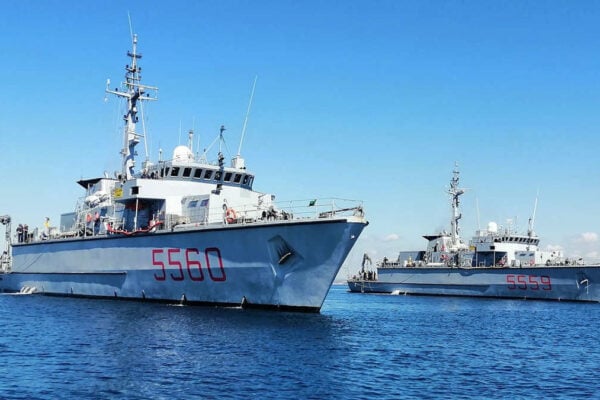
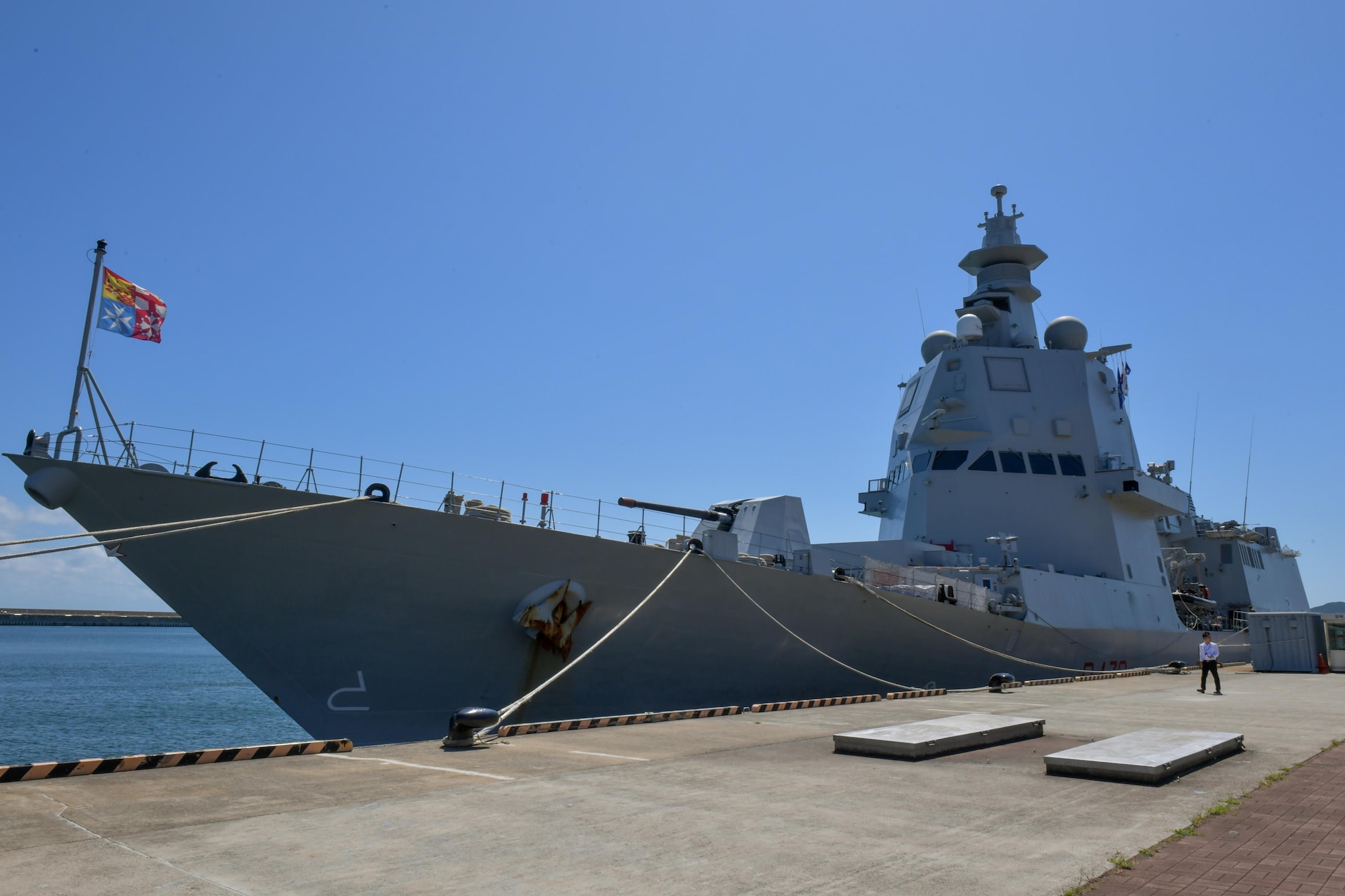
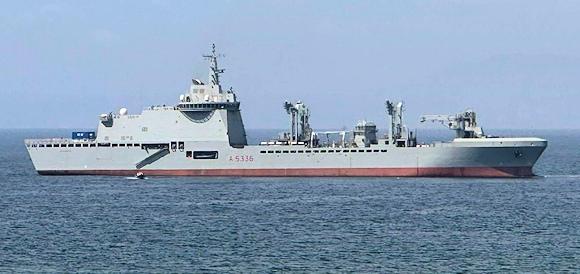
Two destroyers, the 'Rimini' and the 'Crotone', escorted by the 'Montecuccoli', the multi-role combat unit with air defence systems, and flanked by the 'Atlante', the Vulcano-class ship providing logistical support.
This is the Italian fleet that will sail from La Spezia to Djibouti in about twenty days, where it will stop while waiting to set course for the waters of the Strait of Hormuz, once a truce between the US and Iran has matured and the green light has been given by parliament. According to calculations, the crews would consist of over 400 of our military personnel. And training activities have already been held in the Mediterranean in recent days.
"Should peace break out," explained Defence Minister Guido Crosetto speaking with Farnesina chief Antonio Tajani on Wednesday 13 May in a hearing before the joint Foreign and Defence committees, "it would take almost a month for all the units of the allied nations to reach the Gulf. As a precautionary measure, we are arranging for two minesweepers to be positioned relatively closer to the Strait: initially in the eastern Mediterranean, then in the Red Sea, as part of the missions already underway such as the Mediterranean Safe and Aspides, and within the framework of Italia's authorised international mission'.
Here are some indications of the ships involved.
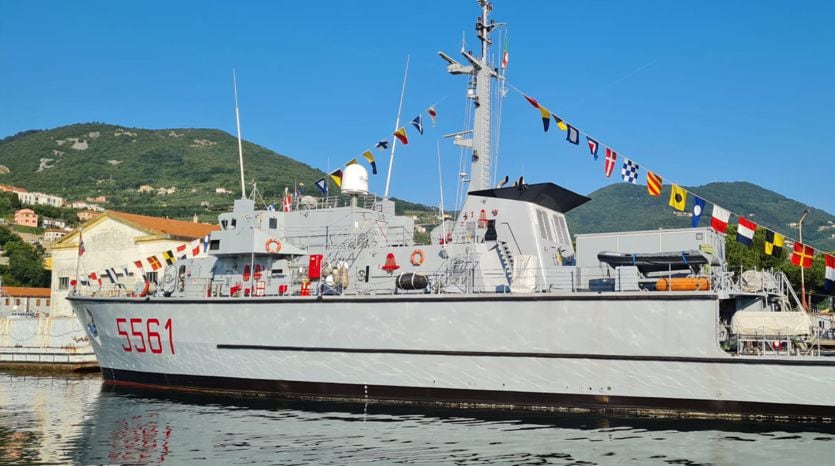
Nave Rimini
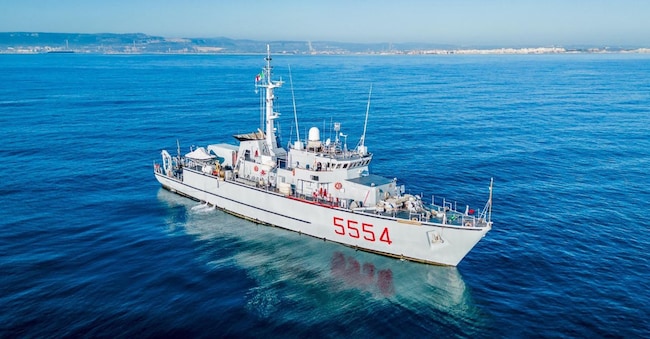
Nave Rimini is the youngest of the eight Lerici class 2nd series minesweepers. Its usual port of assignment is La Spezia. It is a Mine Hunter Coastal type unit specially designed for the location and deactivation or destruction of naval mines. To carry out these operations, it is equipped with a sophisticated sonar system that can be spun up to 40 metres, and with two wire-guided vehicles (ROV - Remote Operated Vehicle), through which it is possible to detect and investigate any object lying on the seabed down to depths of about 600 metres.