
Calderoli: 'Electoral reform with 3% threshold. But let it be clear that autonomy is also done'
Minister Calderoli confirms electoral reform with a 3% barrier and emphasises the importance of autonomy for the political future, ruling out early elections before 2027

Electoral law reform? "It is done. And I believe that between the two bars that are being talked about, three per cent may be a correct thing'. The reform of autonomy? 'It must be clear that if there is no autonomy, there is nothing else'. The legislature? "The natural expiry date is 13 October 2027. I will not stay in an executive that wants to dissolve before that." Has Salvini opened up to the hypothesis of an early vote? "I have spoken about it with him personally. Not only should we not talk about April or May but, since the legislature ends on 13 October, if we go to vote in December, there is the possibility of making not only this year's budget law, but also next year's."
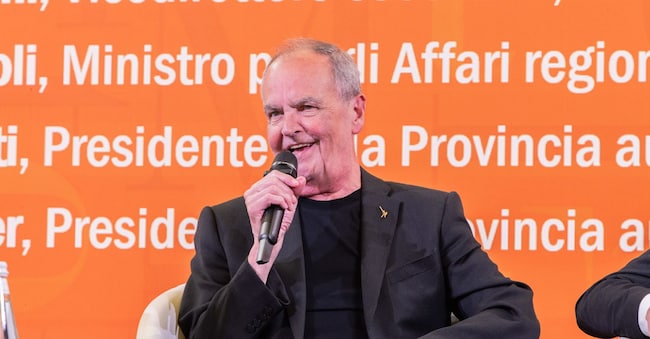
An energetic Roberto Calderoli arrived at the Trento Festival of Economics to take part in the meeting 'Special Autonomies, geopolitics, young people as protagonists' together with the President of the Autonomous Province of Trento Maurizio Fugatti and the President of the Autonomous Province of Bolzano Arno Kompatscher.
Pressed by Radio24's deputy executive director Sebastiano Barisoni, who moderated the meeting, the Minister for Regional Affairs and Autonomies did not spare the opposition, which abstained in the vote in the Senate on 13 May that definitively approved "without even one vote against" the constitutional bill for changes to the special statute of the Trentino-Alto Adige Region, which grants autonomy for trade, water connections and wildlife: "I'm sorry for the opposition's abstention, it could have been a reform that went beyond the deployments". Criticism was also levelled at ministry officials, who were guilty of obstructing the process of including references to autonomy 'on the environment and large carnivores' (wildlife, ed.) in the text. And to the regions with a special statute, Sicily and Sardinia: 'They should develop a greater awareness of the powers they have, but above all of the responsibility they have in managing resources'.
A League of struggle and government, one would have said in other times. Calderoli quotes Luca Zaia - 'in some regions we need more autonomy, in some we need more statehood' - while Fugatti and Kompatscher comment on the merits of the newly approved constitutional bill, designed precisely to bring 'more autonomy' to Trentino-Alto Adige.
"The watchword of this bill is restoration," explains Arno Kompatscher, who adds: "After the reform of Title V in 2001, the Constitutional Court interpreted our legislative margin of competence in a restrictive way, to some extent downsizing our powers. Now, those powers have been restored'.


