
Call of Duty: Modern Warfare 4 – a war that’s no longer just a game
Shooters depict weapons and battles with precision, but gloss over the reasons behind the conflicts. We are looking for credible adversaries who will not jeopardise sales

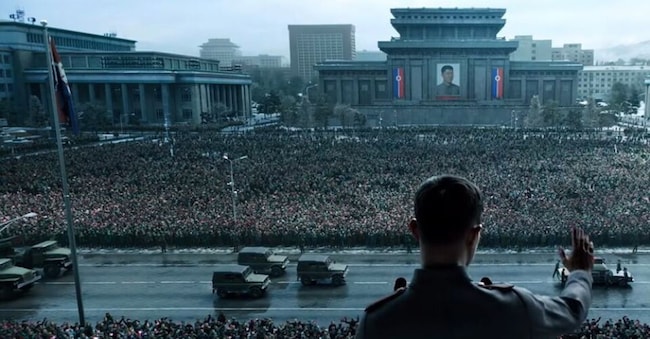
The perfect enemy must meet at least two criteria: it must frighten the audience, whilst not putting off the marketing and sales departments. The geopolitics of video games also begins here, in the stories found in shooters and their campaigns – the most narrative-driven element of this genre. Call of Duty: Modern Warfare 4, released on 23 October, features a North Korean invasion of South Korea in its single-player mode. This is hardly original, given the tensions between the two countries. Since the 1953 armistice that halted the fighting, no peace treaty has ever been signed, and incidents, threats and shows of force continue along the border.
From the very beginning, *Call of Duty* has drawn on current events to make its stories feel less detached from reality, introducing real – or, more often, plausible – characters. And it has always worked well. The problem is that war is a much more present reality today than it was four or five years ago. At least in Europe. The audience can switch from a drone video in Ukraine to a shooter trailer with the flick of a thumb. They see similar shots. For years we’ve discussed how much video games imitate war. Now, footage of combat sometimes looks as if it’s straight out of a video game.
For the entertainment industry, this is a narrative and commercial headache. Realism sells: credible weapons, authentic sounds, impeccable uniforms. But when it comes to the reasons behind the conflict, accuracy tends to become optional. We know everything about the rifle, but far less about who decided to use it. Politics taints the picture, divides the audience and complicates exports.
Hollywood is well aware of the problem. In *Top Gun: Maverick*, the enemy has aircraft and a nuclear facility, but its identity is kept fairly well under wraps. Even in video games, fictional states, private militias and mad generals are rife. Foes that are concrete enough to justify a bombing raid, yet vague enough not to offend anyone or jeopardise box-office takings. War becomes an incident caused by someone who looks very villainous – too villainous to be true. Just as the hero is no longer what you’d expect.
And yet video games would have an additional tool to overcome this limitation and convey messages to their players by utilising interactivity and the player’s ability to make choices within the game. They do not do so. Perhaps because, in order to work, war in video games must be about gameplay – that is, an exercise in precision, reflexes and strategy. It rarely incorporates lessons or moral dilemmas. What matters is the map and skill; the story it tells is of lesser importance.


