
Cars and total cost of ownership: China's new weapon to win in corporate fleets
According to an analysis by AgitaLab, rising European price lists have opened the door to Chinese manufacturers in the fleet sector. In order to combat price rises and keep TCO unchanged, 88% of companies have changed their car lists, preferring stability in operating costs to maintaining previous standards in terms of make and model
Pier Luigi del Viscovo
 Aggiungi Il Sole 24 Ore
ai preferiti su Google
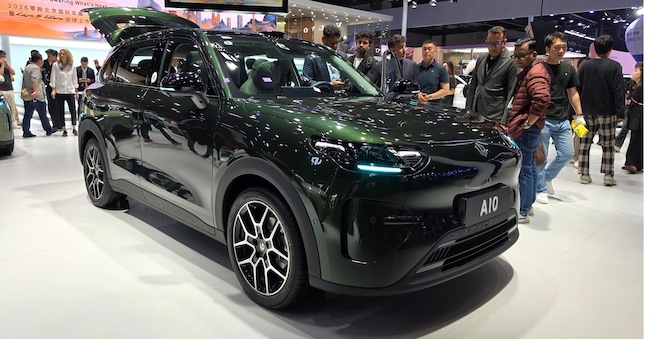
The European automotive industry has facilitated the entry of Chinese manufacturers into the fleet market and laid the groundwork for reducing the total volumes in this market segment. This was indicated by a representative sample of industry insiders, solicited by the think tank AgitaLab. Faced with the increase in price lists and on-board equipment that has taken place in recent years, company car lists, where company car assignees choose their next car, have adapted. According to 88% of respondents, they have aimed to keep the TCO (total cost of ownership, which includes both rental and running costs) unchanged. Just 12 per cent believe that companies have absorbed the cost increase in order to leave their car lists unchanged.
On 'how' companies are keeping TCO low, the sample was split almost down the middle. 46% indicated that the choice is going towards Chinese brands, which are pleasant, well equipped and with a decidedly aggressive list price, although renters are keeping some caution about residual values, to avoid surprises in a few years' time. The magnitude of this change is not marginal for incumbent manufacturers. They are leaving a door open to new competitors, precisely in the segment that is most vital to them. Fleets, through the rental formula, make it possible to soften those unknown product anxieties, plus they ensure a turnover that is less than half that of private individuals.
On the other hand, 42 per cent believe that the way to contain costs is to lower the category of cars, so those who used to drive around in a D-segment may now have to opt for a C-segment compact. This is potentially harmful. If the lower category company car no longer fulfils the function of a family car, the driver might consider exchanging it for other benefits. Especially if the tax treatment also penalises him. On paper you keep the share, but the pie gets smaller: it does not seem like a great deal.
The primary cause of this rise in prices has been a change in strategy on the part of car manufacturers. After chasing volume and plant saturation for over twenty years, which never went beyond 60/70%, they have shifted their focus to industrial margins since the post-Covid chip crisis. How? By raising prices. The average value net of discounts of cars registered for hire went from 22 thousand euro in 2019 to 32 thousand last year. Another push in this direction was given by the legislation that imposes certain equipment even on utility cars, with a further increase in costs and consequent fallout on prices.
© REPRODUCTION RESERVED

