
Car hire: revenue rises on the back of higher rates
However, the increase in turnover was not accompanied by a significant rise in rental activity

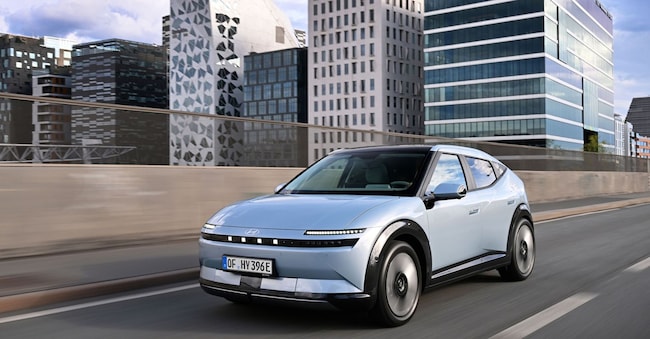
The second quarter of 2026 saw the short-term hire sector post a positive financial result, although the picture is much more nuanced when looking at volumes. According to Aniasa data, the sector generated a turnover of 460 million euros, an increase of 24 million compared with the same period in 2025, representing growth of 5.4 per cent. This figure confirms the sector’s solidity, but masks a level of demand that is less robust than operators had anticipated.
The increase in turnover, in fact, was not accompanied by a significant rise in rental activity. Contracts rose by just 0.8 per cent, equivalent to around 10,000 additional rentals, whilst the total number of days the cars were in use fell by 1.7 per cent. In other words, the increase in value was mainly due to higher rates rather than greater vehicle usage. This trend becomes even more apparent when looking at the development of the fleets.
In recent months, car hire companies have invested in expanding their fleets, bringing the average number of vehicles available to 143,800 – 2.8 per cent more than in the second quarter of 2025. This decision reflected expectations of strong demand, which, however, proved to be only partly accurate.
The result was a decline in the utilisation rate, which fell to 78.2 per cent, representing a year-on-year drop of 3.4 percentage points. This is one of the most important indicators of the business’s profitability, as it measures the ability to keep vehicles constantly under hire and to minimise periods of inactivity. Every day a car remains stationary at a station represents a loss of revenue. In practical terms, each vehicle was rented out for an average of around 67 days during the quarter. Revenue was driven primarily by pricing. The average revenue per day of hire reached €47.5, up 7.2 per cent, whilst the average cost per contract rose to €341, an increase of 4.6 per cent. At the same time, the average hire duration fell slightly, from 7.5 to 7.4 days, a decrease of 2.4 per cent. Customers therefore continued to spend more whilst using the car for a slightly shorter period.
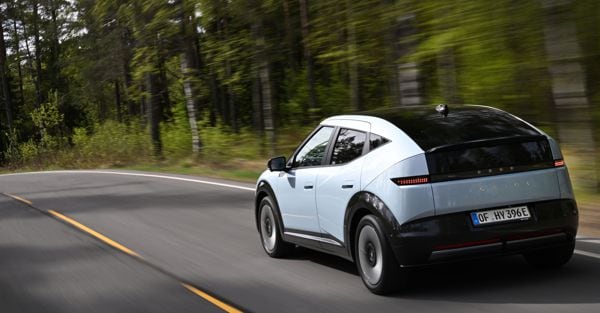
Confidence amongst operators is also evident in the purchasing sector. According to Dataforce, in the second quarter of 2026, the short-term hire sector registered 49,500 cars, almost 9,000 more than in the previous year. This 22 per cent growth reflects companies’ desire to strengthen their fleets in anticipation of the busiest months of the year.

