
Car maintenance, checks to do before setting off
Checking the state of your car before setting off means reducing risks, keeping costs down and travelling within the rules

Key points
Embarking on a journey with a car in perfect working order is not only a question of reliability, but also of road safety and compliance with regulations. A preventive check of the main components reduces the risk of breakdowns, reduces consumption and prevents penalties. Essential checks include tyres, braking system, fluid levels, visibility and mandatory equipment.
Tyres: pressure, wear and type approval
Tyres are the first point of contact between the vehicle and the road and have a direct effect on grip, braking distances and fuel consumption. Before setting off, it is necessary to check the pressure, when cold, according to the values indicated by the vehicle manufacturer. Incorrect pressure increases wear and worsens stability. The condition of the tread should also be checked: the Highway Code requires a minimum tread depth of 1.6 millimetres, but below 3 millimetres performance in the wet is significantly reduced. Finally, make sure that the tyres are approved and, if seasonal, consistent with the period and any local ordinances.
Brakes and Suspension
The braking system must guarantee prompt and modulating response. Abnormal noises, pedal vibrations or extended stopping distances are signs that should not be underestimated. The suspension also deserves attention: loose shock absorbers compromise grip and stability, especially under full load. Before a long journey it is advisable to have a workshop check if there are any symptoms of inefficiency.
Fluid levels and lubrication
Engine oil, coolant, brake fluid and windscreen washer fluid must be checked and topped up if necessary. An insufficient level of oil or coolant can cause serious damage to the engine, especially during long motorway journeys. Brake fluid, being hygroscopic, loses its effectiveness over time and should be replaced according to the manufacturer's schedule.
Battery and electrical system
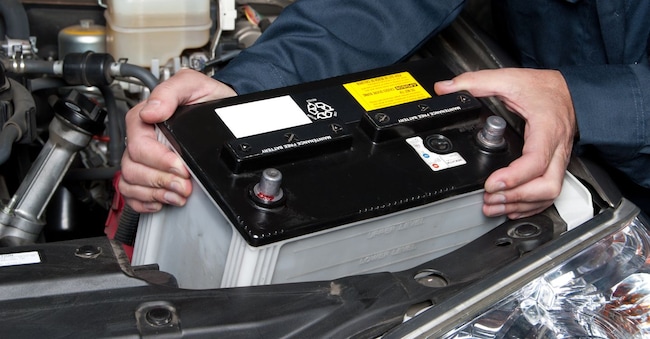
The battery is one of the main causes of sudden failures. Difficult starts, dim lights or error messages are indications that the battery is nearing the end of its life. Before setting off, it is also a good idea to check that the headlights, direction indicators and brake lights are working properly, as these are essential both for safety and to avoid penalties.

