Comparing strategies

The EU target for 2040: -90% emissions compared to 1990. Targets per country

Despite many countries' commitment to neutrality, emissions have risen since 1997 and the path is uncertain

by Lab24
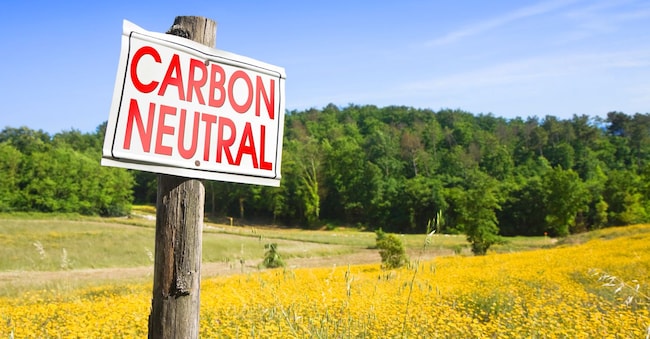
(AdobeStock)

2' min read

2' min read

The European Commission has just set the EU's climate target for 2040: a 90 per cent reduction in greenhouse gas emissions compared to 1990 levels. This target will also be the basis for setting the intermediate target of 2035, requested by the United Nations.

All signatories to the Paris Agreement are required to submit their emission reduction plans for 2035 by September. This is a particularly challenging deadline for the European Union, which is facing strong internal tensions: in recent months, several member states have made demands for concessions and changes to the path towards climate neutrality.

Loading...

Without an agreement by September, the EU's 2035 plan will not be included in the UN global count. A failure that would call into question the EU's ability to lead international climate diplomacy.

And if even the EU - which aspires to be a global model in the fight against climate change - is struggling to draw up an emissions reduction plan in time, it is natural to ask: what is happening in the rest of the world? A question all the more urgent in light of the US disengagement, under the Trump administration, from international climate efforts.

A QUANDO LA NEUTRALITÀ CARBONICA?

Loading...

According to the Climate Watch website, about half of the world's countries (101 nations) have committed to achieving carbon neutrality within a given year.

The countries that have not made a date for carbon neutrality explicit are largely low-income. An indirect confirmation of how the fight against climate change, given its highly capital intensive nature, is a goal often out of reach for the most fragile economies, with a few virtuous exceptions such as Mauritania.

Among the EU Member States, the forerunner is Finland, which has set itself the goal of carbon neutrality by 2035. Outside the Old Continent, the 'earliest' countries include Barbados (2030) and the Maldives (2030).

Note that 2050 is the prevailing target date, common to 70% of the countries. The remaining 30% includes several Asian nations, including China, Saudi Arabia, Indonesia and Russia, projected at 2060. Even further behind is India, responsible for 7% of global greenhouse gas emissions, which has set a target date of 2070.

Beyond the heterogeneity in national deadlines, it is important to analyse how concrete the global path towards these pollutant emission reduction targets is.

Let us take 1997 as a reference, the year of publication of the Kyoto Protocol, the first legally binding international agreement containing greenhouse gas emission reduction obligations for ratifying countries.

Since then, global Co2 emissions have grown by 55%. The trajectory over the last decade is also positive, albeit more encouraging: +7%. In conclusion, the path to global carbon neutrality currently appears marked by often insufficient ambition and a reduced ability to translate targets into concrete actions and results. Over the next 25 years, will we be able to reverse course?

Copyright reserved ©
Loading...

Brand connect

Loading...

Newsletter

Notizie e approfondimenti sugli avvenimenti politici, economici e finanziari.

Iscriviti