
Carlo Pepi, the art explorer on the hunt for fakes
The collector from Crespina had discovered the Livorno hoax that deluded the world about Modigliani's unpublished heads

3' min read
3' min read
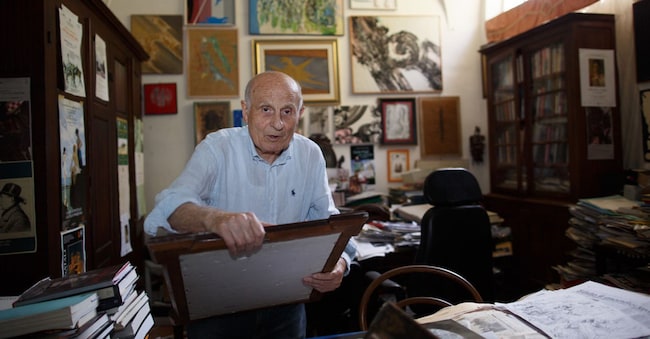
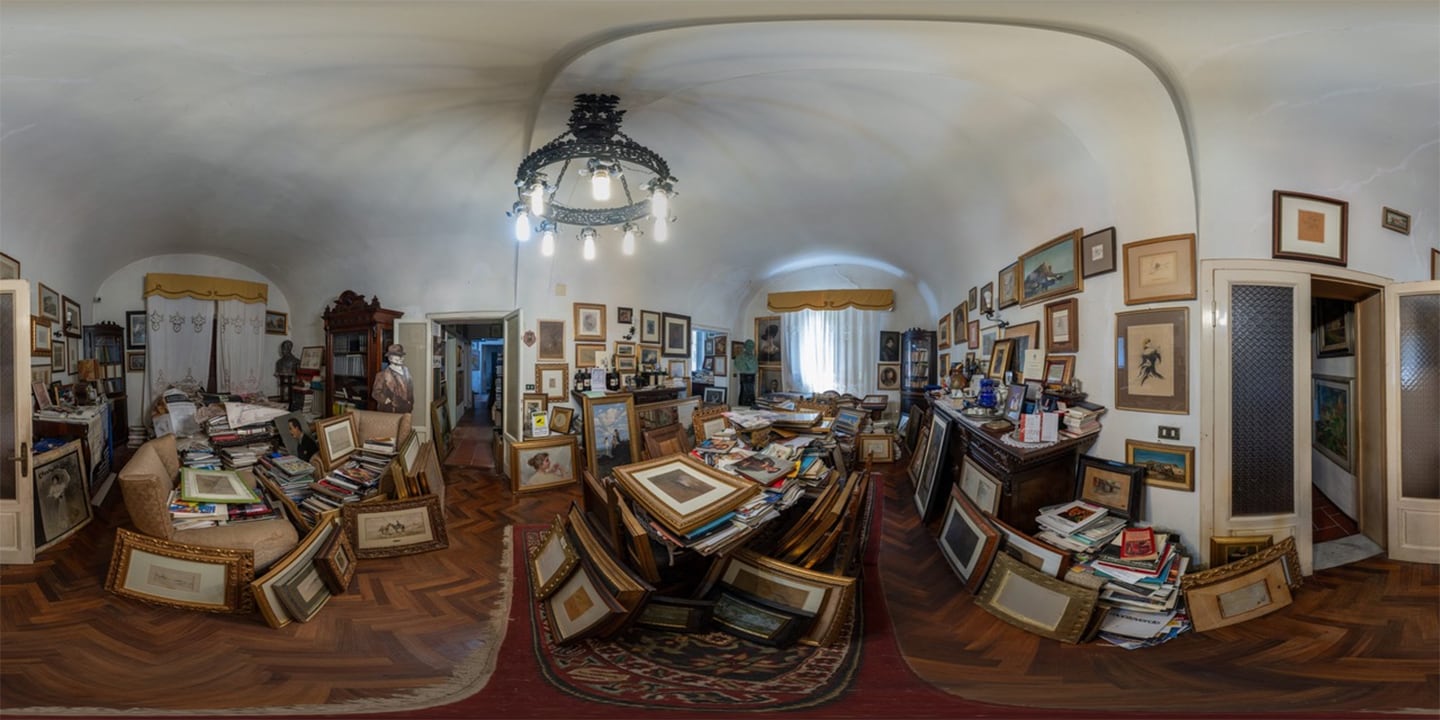
Carlo Pepi, a great and misunderstood collector, the creator and custodian of one of Italy's most extraordinary wunderkammer, has passed away in his Crespina. He was a character full of contradictions and charm. A heteroclite, outside the Academy and the circuits that count. His absolute love for figurative art, and in particular for Tuscan painting and sculpture between the end of the 19th century and the post-war period, animated a fire that prevented him from selling (but also from ceding to Foundations or Museums) pieces from a collection of almost twenty thousand works, gathered in two sanctuaries of art that few have had the good fortune to know and visit: the farmhouse naturally located in Via Gioielli in the Poggio al Tesoro area and the large villa in the centre of Crespina, in the heart of the Pisan countryside. Where works worthy of international museums (Picasso, Modigliani, Warhol, all his Macchiaioli) overflowed, along with old articles, catalogue books, from the floors, bathrooms, beds and even the fridge. If they had listened to him, art history might have taken a different turn.
The Heads of Modigliani
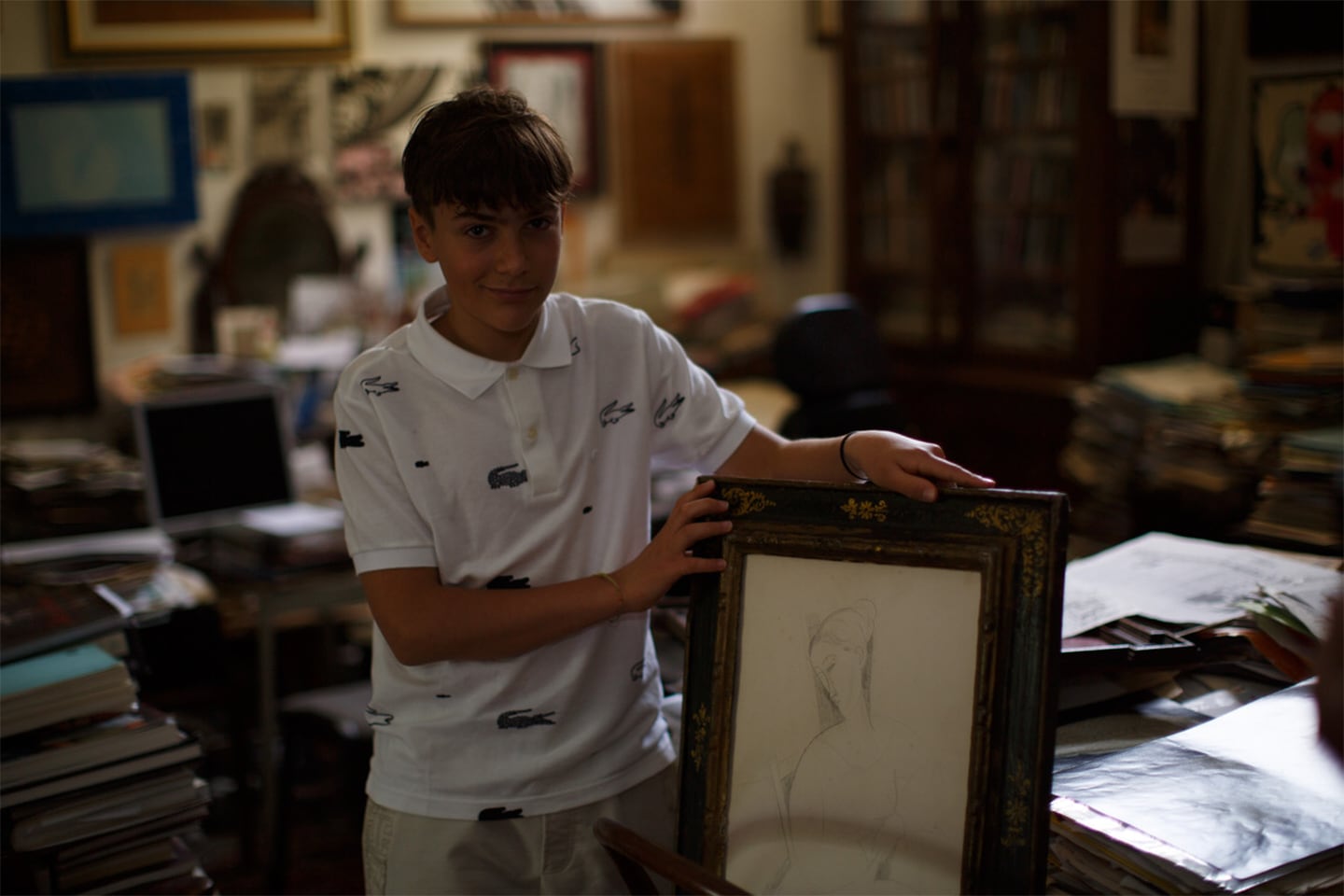
It was he, alone and before others, who unmasked the famous (or infamous) hoax in Livorno in 1984 that deceived the world about Modigliani's unpublished heads. Then, again unheeded, since 1991 he has been interested in proving the (alleged) authenticity of those genuine ones, still forgotten and kept in a vault, waiting for better times. I met him on several occasions. Lucid and rational, rather than Stendhal's he was attracted by a sort of aesthetic version of Munchausen's syndrome, a privilege offered to those who can imagine before seeing. Educated and politely vain, he told stories that perhaps (surely) needed to be skimmed over but what remained carried a great deal of fascination. He was eighty-eight years old but appeared immortal, suspended in a time that was no longer his own. But in all probability his time never really existed.
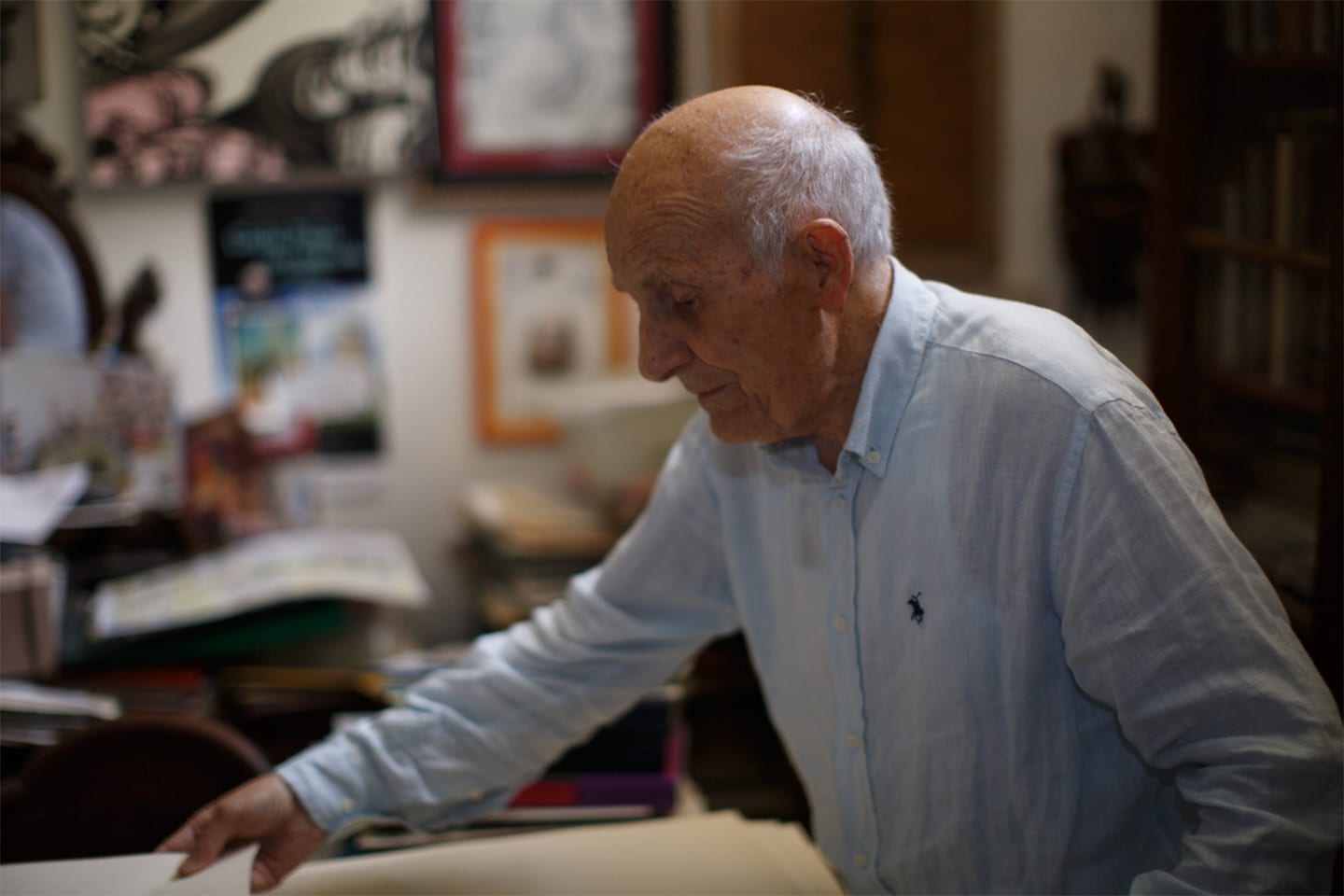
Pepi was a loner: largely snubbed by art historians, critics and collectors, he reciprocated with a Tuscan flair, considering 'experts' little more than arrogant blindfolded children incapable of grasping the soul of a masterpiece. He also stayed away from dealers, because Pepi needed money to buy at the right time, not to sell. He, who had studied economics and mathematics in Pisa, was convinced that he could grasp a fake just by looking at it, through a sort of esoteric vision made up of geometric proportions and metempsychosis with the artists he loved, starting with Modigliani and the Macchiaioli, of whom he was one of the world's greatest collectors. With him, the courts hunting for forgeries of Modigliani in particular, and even the organisation Art Watch International in New York, which appointed him Director of the Counterfeiting and Fakes section, were also convinced. He believed that to get to the heart of the works, it was necessary to know the lives and stories of the artists, not the art.
Catcher
.The counterfeit-catcher (as the local press called him) was convinced that they had invented Impressionism well in advance of the French and he attributed the primogeniture of the world's first abstract work to a Fattori in his collection. He would have gladly devoted his last energies (he was enlightened and at the time inflamed, talking about it) to an international conference on the True and the False in Modigliani, tackling the question, for him exasperating, of the (authentic) Leghorn heads. It would be fitting, if ever, to dedicate it to him.

