
Carnival: higher revenue per cruise passenger and a focus on costs
The strategy is for the ships themselves to be destinations in their own right. Geographical diversification limits risks. The issue of geopolitics

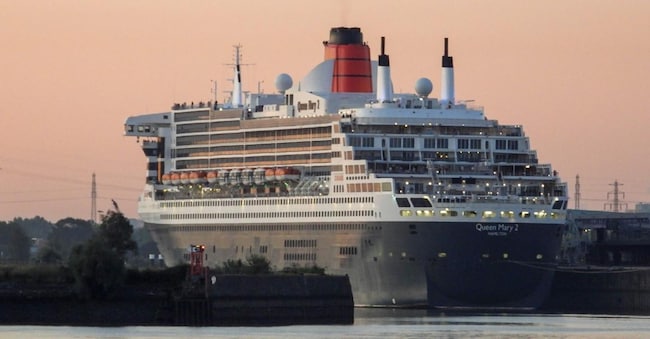
Increasing revenue per cruise passenger. This is one of the measures that Carnival Corporation is implementing to drive the business towards expansion. On closer inspection, the strategy is clearly evident from the income statement figures themselves. To understand this, one need only look at the recent trend in what is known as ‘net yields per Available Lower Berth Day’ (ALBD). In simple terms, this refers to the average net revenue per available berth per day. Well, in the second quarter of 2025, this figure stood at $200.07, compared with $186.6 in the same period last year. Over the entire first half of the 2024–2025 financial year, however, revenue per unit stood at $192.61, compared with $181.04 for the period from early December 2023 to 31 May 2024. In short, the figures clearly illustrate the direction the company is taking.
The moves
That said, what measures are being taken to achieve this objective? Firstly, there is the issue of fares. Here, the company aims to expand and improve its offering. Thus, through its new-generation ships, it offers, amongst other things, larger cabins and brand-new attractions. This makes the ship itself a ‘destination’ in its own right, which in itself justifies higher fares. But that’s not all. Carnival is investing in its own ports and islands. An example? Celebration Key in the Bahamas (opened this year), where, amongst other things, guests can enjoy water sports or watch dedicated live shows. Furthermore: on the one hand, the group is offering more services included in the ticket price (from drinks and Wi-Fi to speciality restaurants); on the other, it is identifying more attractive routes and itineraries that allow for better pricing of the cruise.
But it’s not just the ticket price; there are also expenses on board. In this regard – clearly – the strategy is aligned with that concerning tickets. So, for example, once passengers arrive at a private destination (the refurbishment of Half Moon Cay in the Bahamas will be completed in 2026), they are offered ‘premium’ areas. Or, more generally, ‘new’ experiences such as themed water parks may be offered. This programme has, at least over the last six months, proved successful. Revenue from tickets rose by 7.2 per cent, whilst revenue from ‘on-board’ spending increased by over 10 per cent.
Risks and employment


