
High fuel prices, 6 June: excise rebates expire: all options on the table
The Italia government assesses the future of excise rebates after 2026, amid European pressure and the need for targeted support for transport and agriculture.
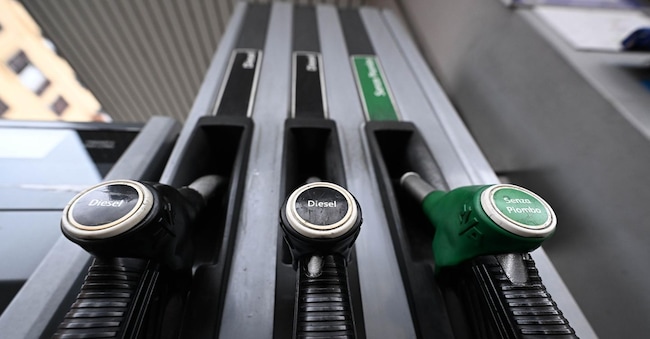
The countdown has begun. The upcoming 6 June 2026 will mark a crucial date for automobile drivers and Italian businesses: on that day, unless further last-minute action is taken, the current excise duty reduction regime on fuels introduced by Decree-Law No. 89 of 22 May will expire.
The current scenario
The rebate on excise duties was put in place for the first time with the Council of Ministers on 18 March: 24.4 cents per litre less for both petrol and diesel. So it was until 1 May (inclusive). Then, from 2 to 22 May, the cut remained identical for diesel and was increased to 6.1 cents per litre for green. From 23 May to 6 June, on the other hand, the intervention on petrol was not touched but that on diesel was halved (-12.2 cents). Total cost: about 2 billion euro (which in the first, more incisive version means 1 billion per month).
The financial burden
Alongside the cut in excise duties, the government has earmarked some 300 million euro in tax credits for the auto transport sector and concessions for the purchase of fertilisers in agriculture, confirming the executive's desire to move towards targeted rather than generalised support. On discounts on excise duties, 'to date we have not planned a fourth intervention, also because previous interventions have also been very costly and heavy for the state budget. And that is why the Prime Minister has asked the European Union for a derogation from the Stability Pact,' said Gilberto Pichetto Fratin, Minister for the Environment and Energy Security.
The node of European resources
But the EU's response, expected next Wednesday, from what has been leaked, seems more inclined towards no. Nor does the proposal by the executive vice-president for Cohesion and Reforms, Raffaele Fitto, who invited the EU ministers responsible for cohesion "to undertake an effort to reprogramme" the European funds "with a targeted focus on energy", seem destined to have better luck. A proposal that immediately provoked an outcry from the Regions, the main recipients of those resources. Resources that in any case should not be used for cutting excise duties.
The hypotheses on the table
What will happen after 6 June? At the moment, uncertainty reigns supreme, but the hypotheses in the field reflect a government strategy increasingly oriented towards overcoming the 'windfall bonus'. "Our aim was to come to the aid of families and businesses at a very complex time. Let's see now if there are further interventions to be made, we will see," said the deputy minister of the Economy Maurizio Leo cautiously.


