
Cars, Brussels confirms 2035 target but opens up for hybrid and thermal engines with sustainable fuels
Regulatory overhaul aims to decarbonise the automotive sector ensuring European competitiveness
From our correspondent Beda Romano
 Aggiungi Il Sole 24 Ore
ai preferiti su Google
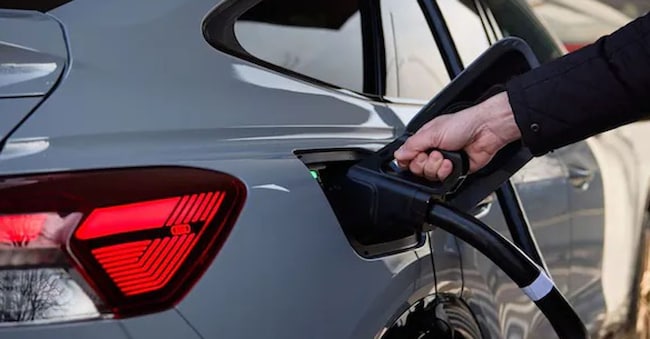
BRUSSELS - After painful negotiations, the European Commission presented on Tuesday 16 December a long-awaited revision of the controversial regulation on harmful car emissions. In essence, the EU executive is aiming for a 90 per cent reduction in harmful emissions by 2035, opening the door for the remaining 10 per cent to hybrids and combustion engines. However, the putting on the road of these engines will have to be compensated by the use of green steel or modern fuels.
The Commission's communiqué reads: 'From 2035, manufacturers will have to meet an emissions reduction target of 90 per cent, with the remaining 10 per cent to be offset through the use of EU-produced low-carbon steel or synthetic or biofuels. This will allow plug-in hybrid cars, battery extenders, light hybrid cars and internal combustion engine vehicles to continue to play a role after 2035'.
In essence, from the middle of the next decade, 100% electric vehicles will be allowed to be registered, and within the limits of 10% of emissions, rechargeable hybrids, vehicles with range extender, and vehicles with thermal engines will also be allowed. "All potential additional emissions generated by these flexibilities will have to be fully compensated upstream," Single Market Commissioner Stéphane Séjourné told a press conference in Strasbourg.
In addition, Brussels outlined regulatory changes to facilitate the production and sale of electric cars with a maximum length of 4.20 metres. It recommends specific benefits: "Purchase bonus, scrappage schemes, favourable parking conditions, toll exemptions or reductions, and charging at reduced rates". Commissioner Séjourné noted: 'These vehicles will benefit from a superbonus in the calculation of manufacturers' CO2 emissions, if they are produced in Europe.
The proposals put forward by the European Commission meet the demands of some governments and companies. The attempt is to strike a balance between the urgency of decarbonising the automotive sector and the need to help the industry compete with competitors, particularly from China. The issue has been the subject of intense negotiations over the last few months, and of pressure from Germany, which is concerned about the health of its car manufacturers.


