Castles, alleys and autumn traditions in Valle Peligna
It is a corner of Abruzzo in the province of L'Aquila at the foot of the Maiella mountain range, rich in historical testimonies and protected natural areas

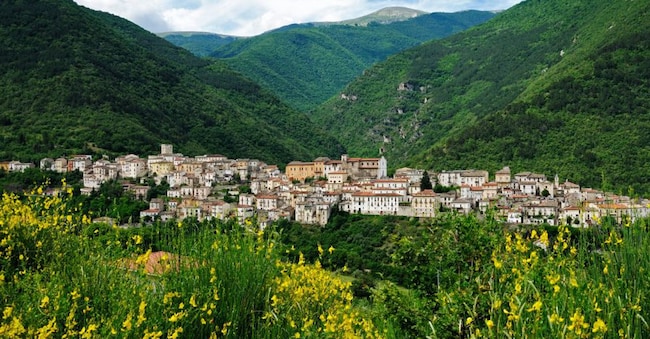
The Peligna Valley is a corner of Abruzzo that is worth discovering in this season. Its ancient history takes us not only to the Pelignians but also to the Phoenicians and the figure of the Trojan hero Solimo (1180 B.C.), who was believed to be the son of gods, while under the imperial Rome of Augustus, Ovid made Sulmona famous as his birthplace, and it was the poet himself, in his Amores, who narrated the beauty of the Peligna Valley landscapes. Many of these are still intact, thanks to nature that has the upper hand.

The plateau, in the province of L'Aquila, enclosed between the Popoli Gorges and the spectacular Sagittario River Gorges that have been eroding the limestone cliffs for thousands of years, a destination for roe deer and wolves (WWF Oasis Regional Nature Reserve), stretches at the foot of the imposing Maiella whose peaks are already whitewashed while the arrival of autumn is marked by the colours of the landscape in an alternation of ash and maple trees, already yellow and red, to the large oaks, turkey oaks, sometimes poplars and then higher up to beech forests.

From Castrovalva to Pettorano sul Gizio
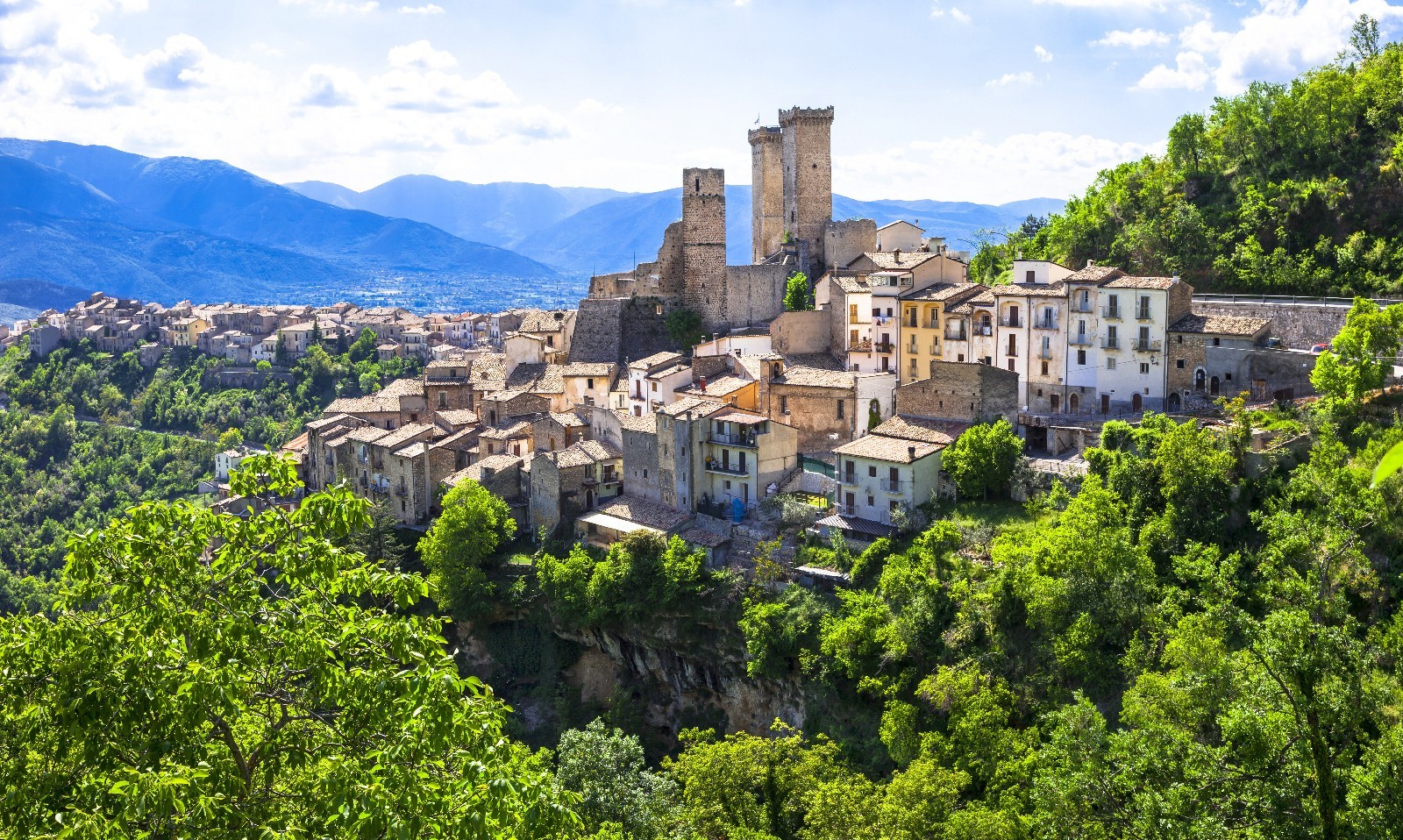
To remind us that we are in a land that has always been strategic for trade, there are many small ancient villages that take us back in time, to the Middle Ages, when in these very parts there was an intense fortification activity to cope with political conditions and defensive needs. For those who don't know, Abruzzo is the region in Italy with the largest number of castles and many are those concentrated in this area.
From Castrovalva, perched on a rocky spur, even portrayed in a lithograph by Escher, to Anversa degli Abruzzi, where it is a pleasure to wander through the alleyways of the medieval village topped by the ruins of a 12th-century Norman castle that offers a viewpoint over the spectacular Sagittario Gorge. Starting from Pacentro, one encounters the enchanting village of Bugnara, and then those of Raiano, Corfinio, the historical capital of the Italic League, and then Introdacqua, Prezza, Roccacasale, Vittorito, Pratola Peligna, Cucullo, the village of serpari, and Pettorano sul Gizio.

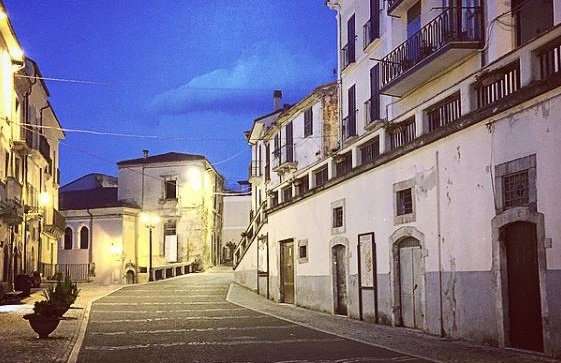
In the latter, walking along the ancient narrow streets or 'rue' that descend towards the walls, winding through stairways, courtyards, ancient buildings enriched with inscriptions and engraved coats of arms, one reaches the old walls (five gates are still intact) and the sense of the Middle Ages that one breathes in is softened by the portals, the Baroque arches scattered here and there, but above all by the natural views that one glimpses as one looks towards the mountain that envelops the village in a natural embrace.